
Circularity in Action: 2025 Switzerland Delegation
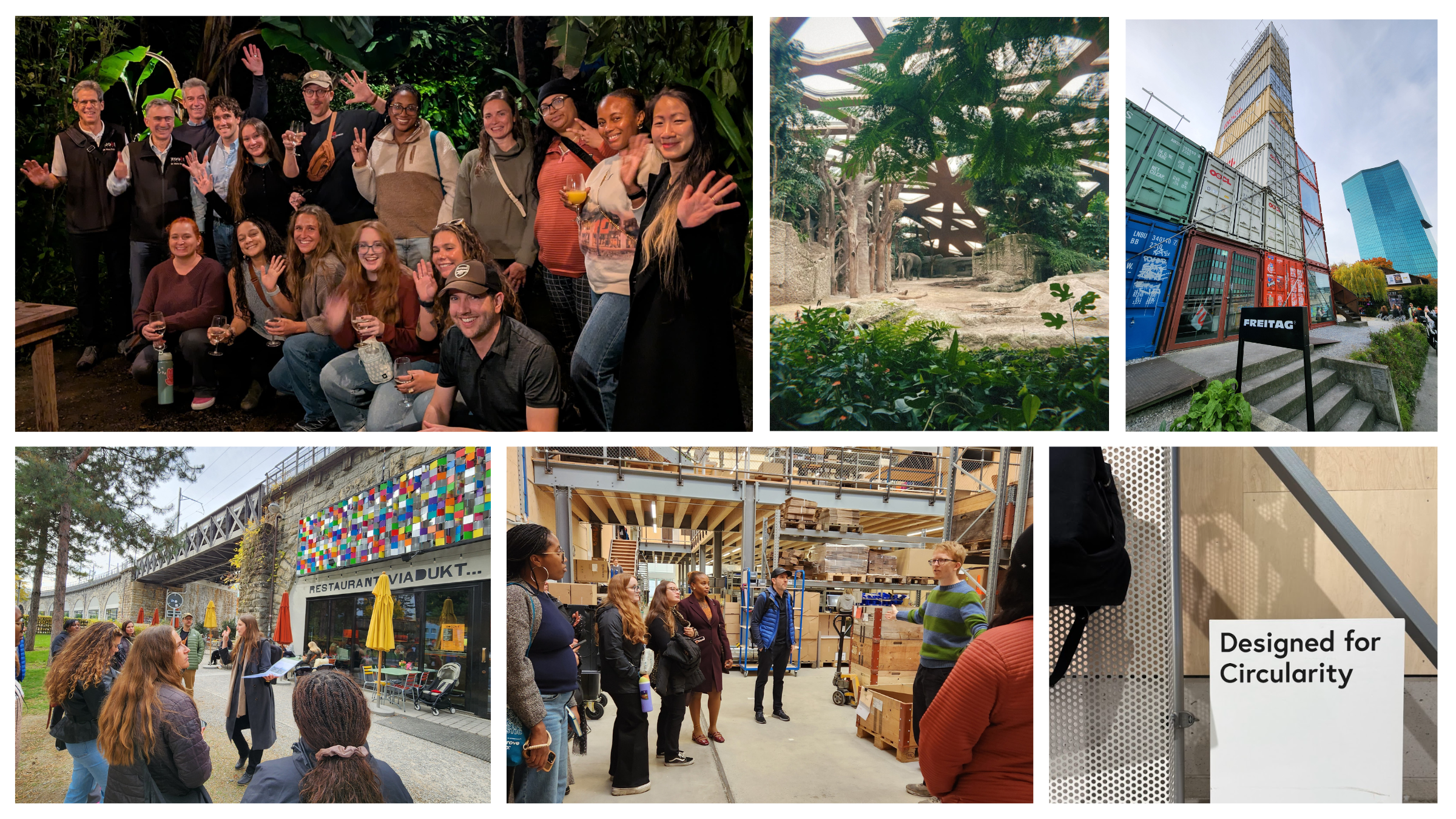
In October 2025, we hosted our third Sustainability Delegation to Europe and our very first to Switzerland. Over a week packed with site visits, expert presentations, and evening dinners hosted by partners across Zürich, Basel, and Bern, we experienced a culture that treats the built environment as a long-term resource.
By visiting active reuse hubs, research campuses, and innovative building projects, the delegation gained practical insight into policies, business models, and community partnerships that keep materials circulating at their highest value.
From urban mining efforts to community repair networks to modular construction studios, each conversation added new dimension to our understanding of how circular systems take shape. What stood out most was the spirit of collaboration: the way engineers, craftspeople, researchers, and city leaders are continuously refining solutions together. It showed us what is possible when circularity is treated not as a niche idea, but as standard practice within a specific region.
A HUGE thank you to our partners that made this delegation possible: SHIFT Switzerland, Circular Economy Switzerland, ETH sus.lab, and Tracy Huynh.
Day 1 - Zurich Sustainable Architecture Tour & Zurich Zoo
After kicking off our delegation with a group lunch and sustainability architecture tour, we visited the Zürich Zoo.
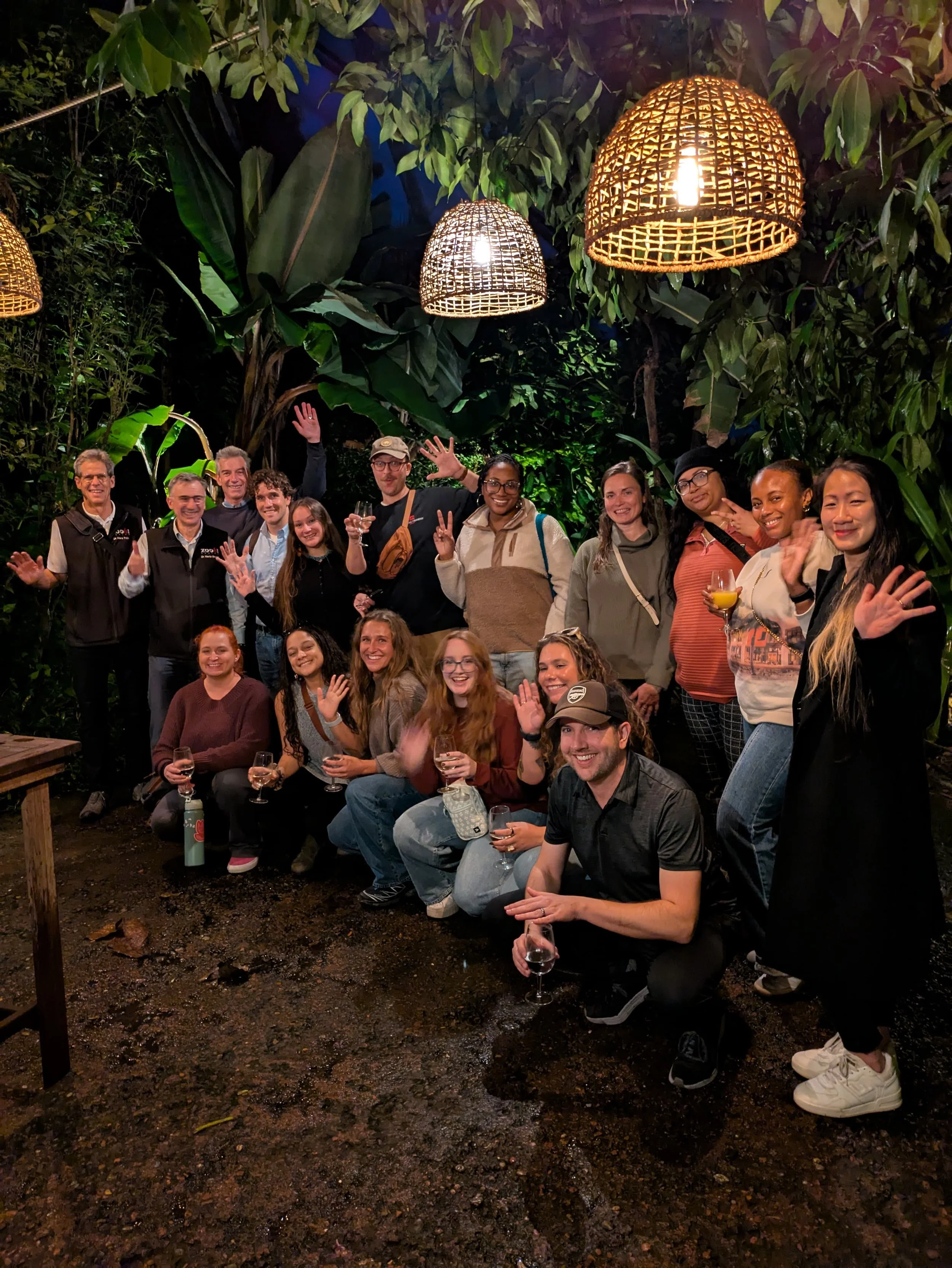
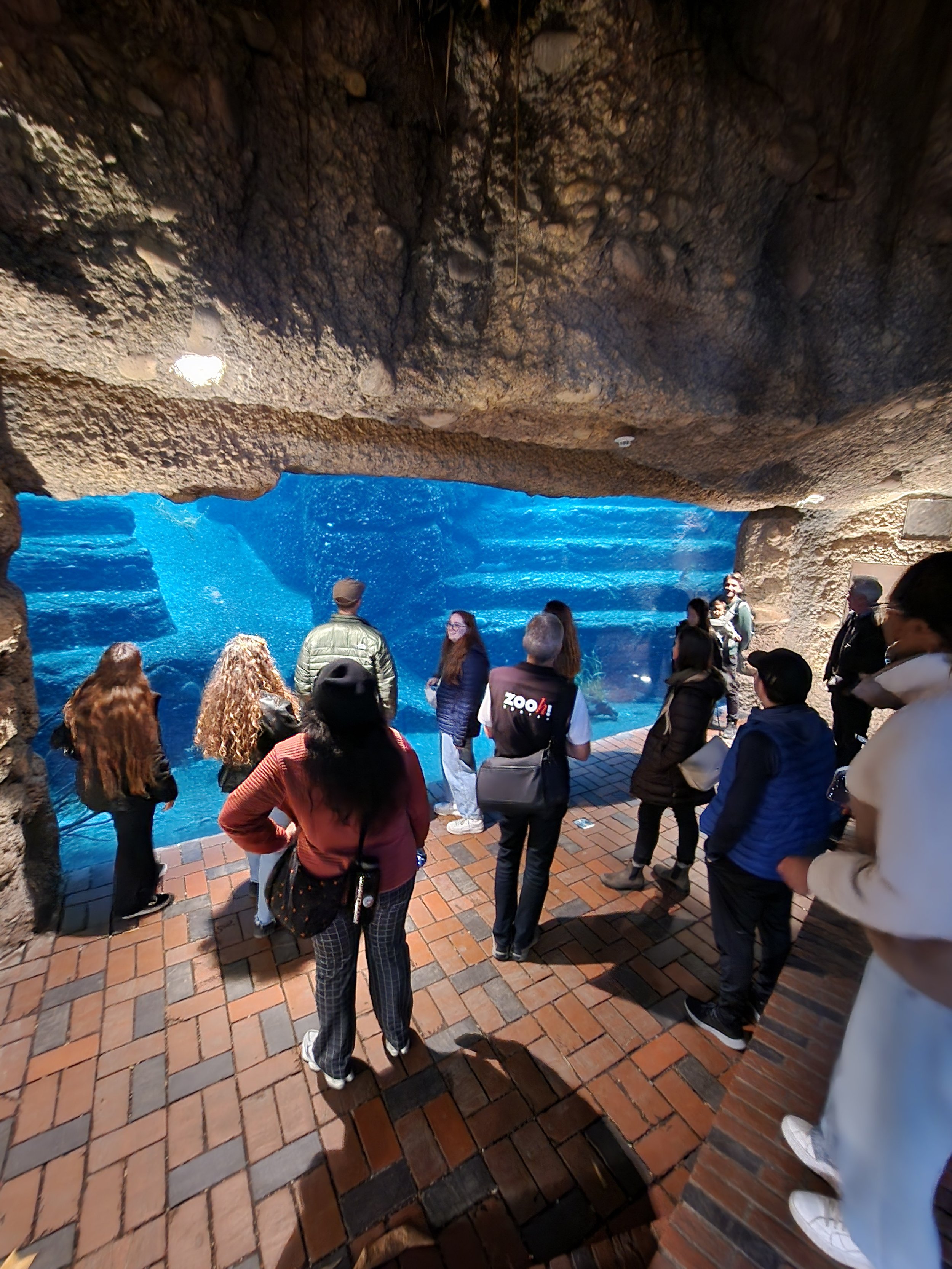
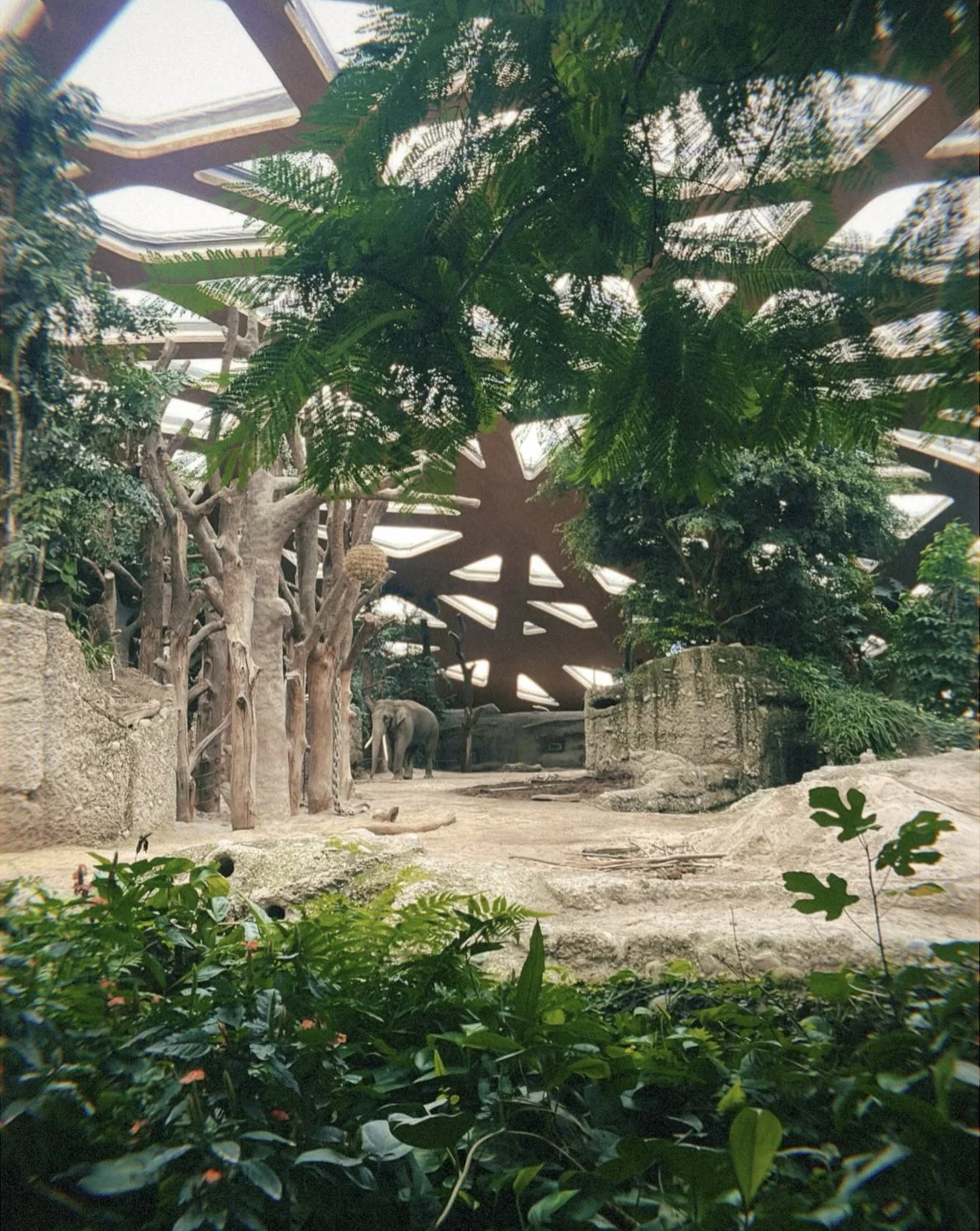
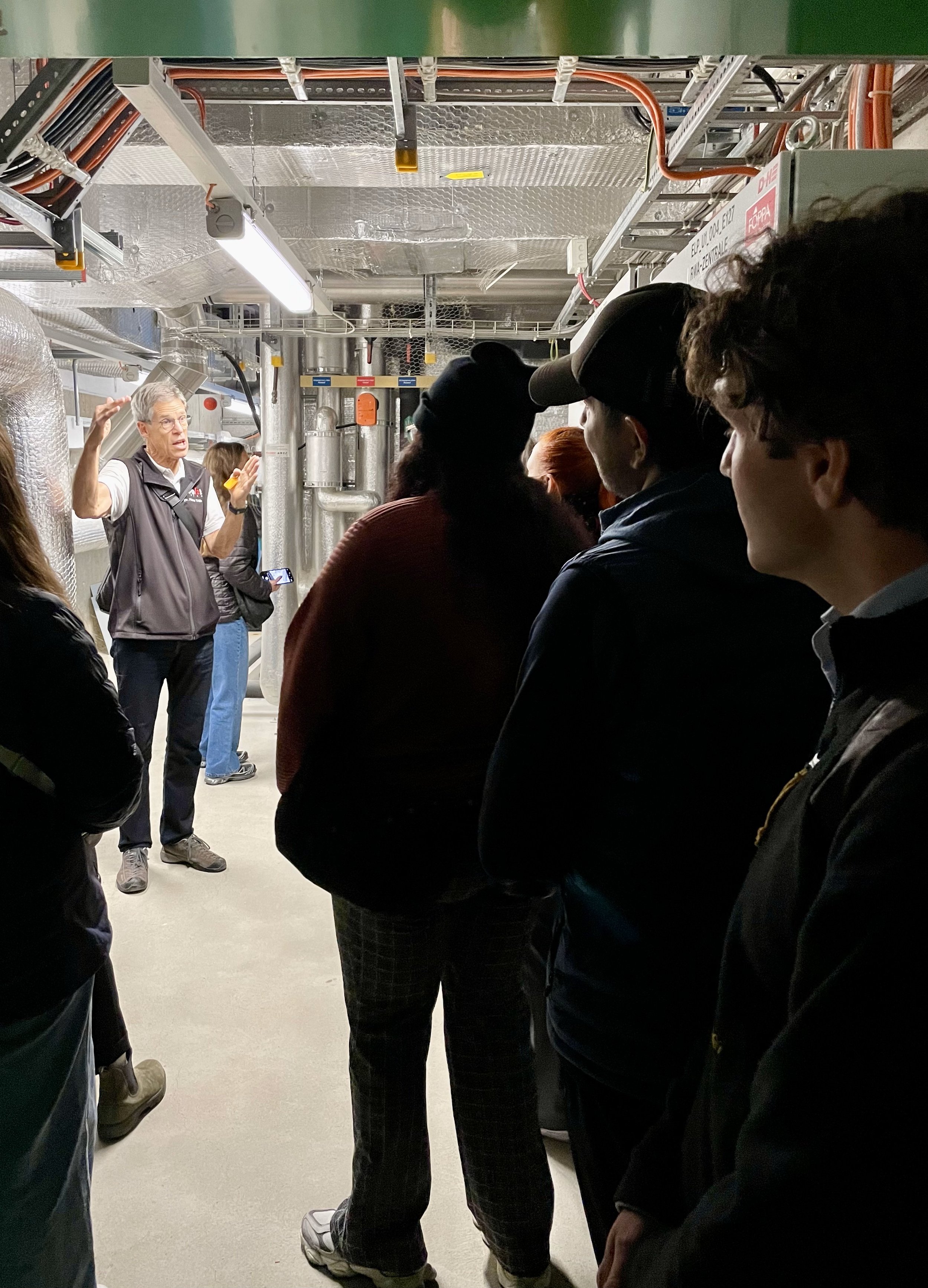
The zoo gave us a wonderful tour of the extensive behind-the-scenes infrastructure that makes complex systems like an elephant enclosure and rain-forest possible. So many fascinating industrial scale processes to filter water, collect rainwater, and generate energy. They recycle over 90% of their water and generate a substantial amount of energy from geothermal. What a joy to walk through hidden tunnels and vast underground structures to see impressive engineering and a side of the zoo most people never even think about. We also enjoyed a lovely dinner at the zoo inside the rain-forest.
During our sustainable architecture tour earlier in the day, we visited the following:
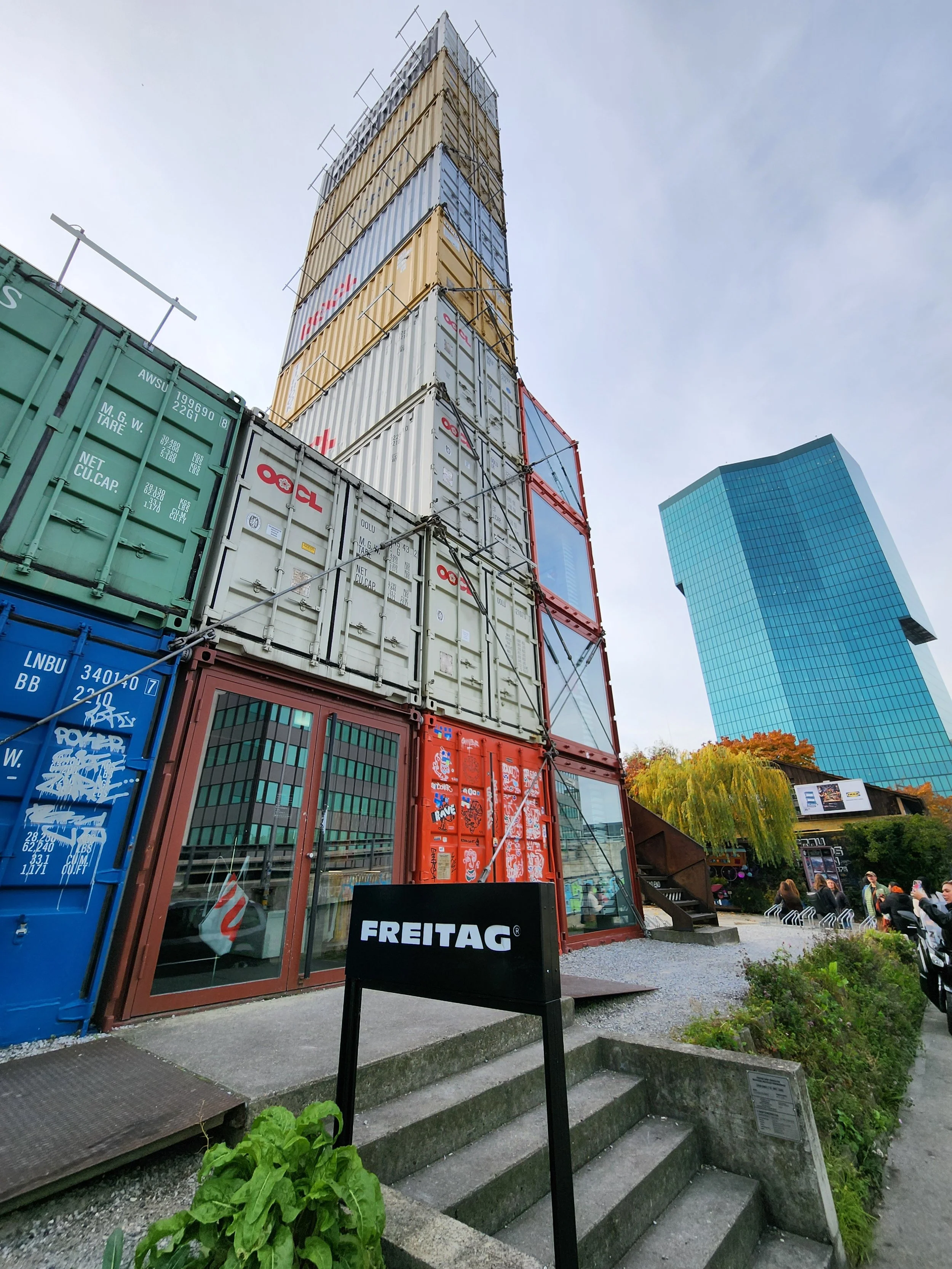
Freitag Towers
Negrelli Steg
Europaallee
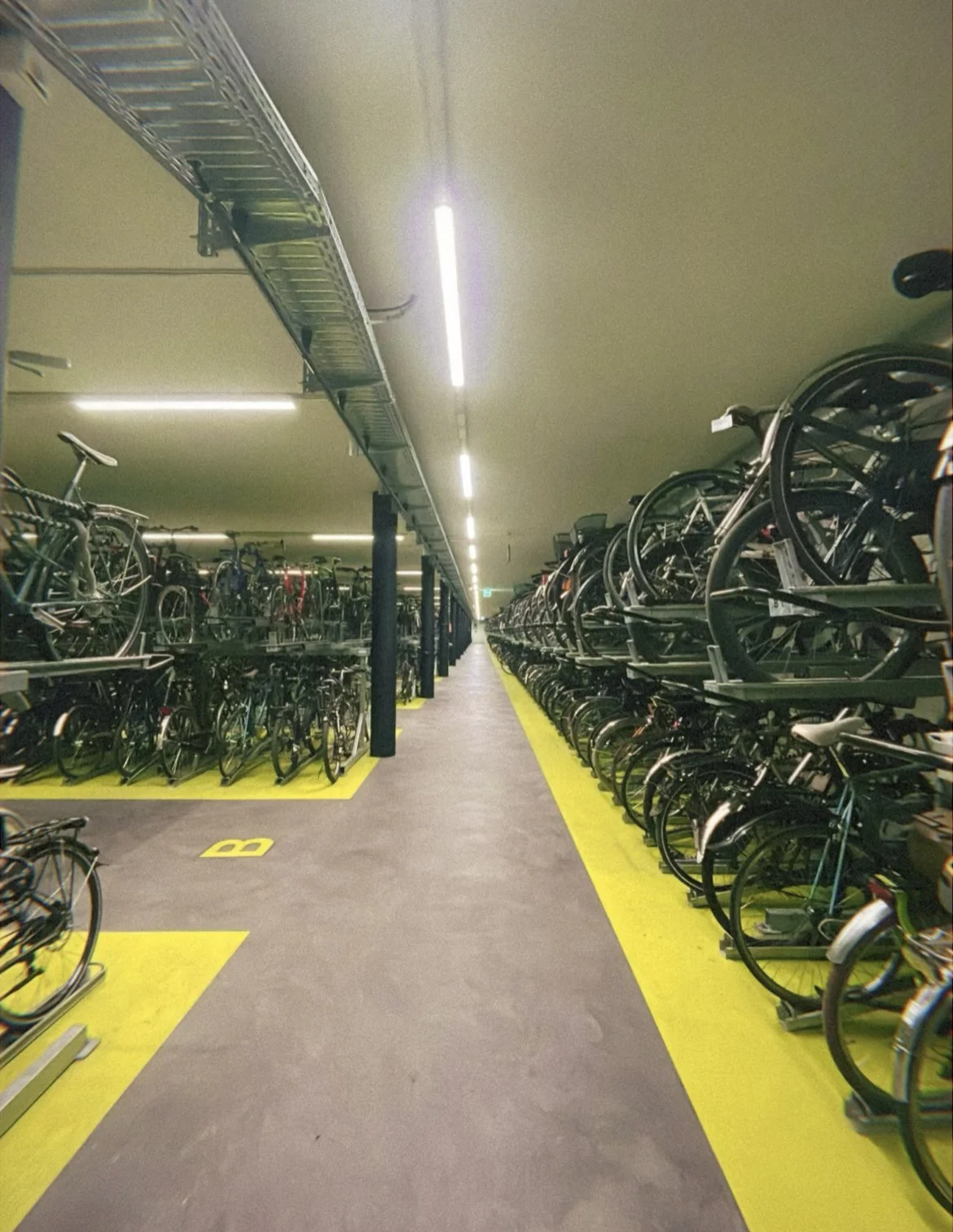
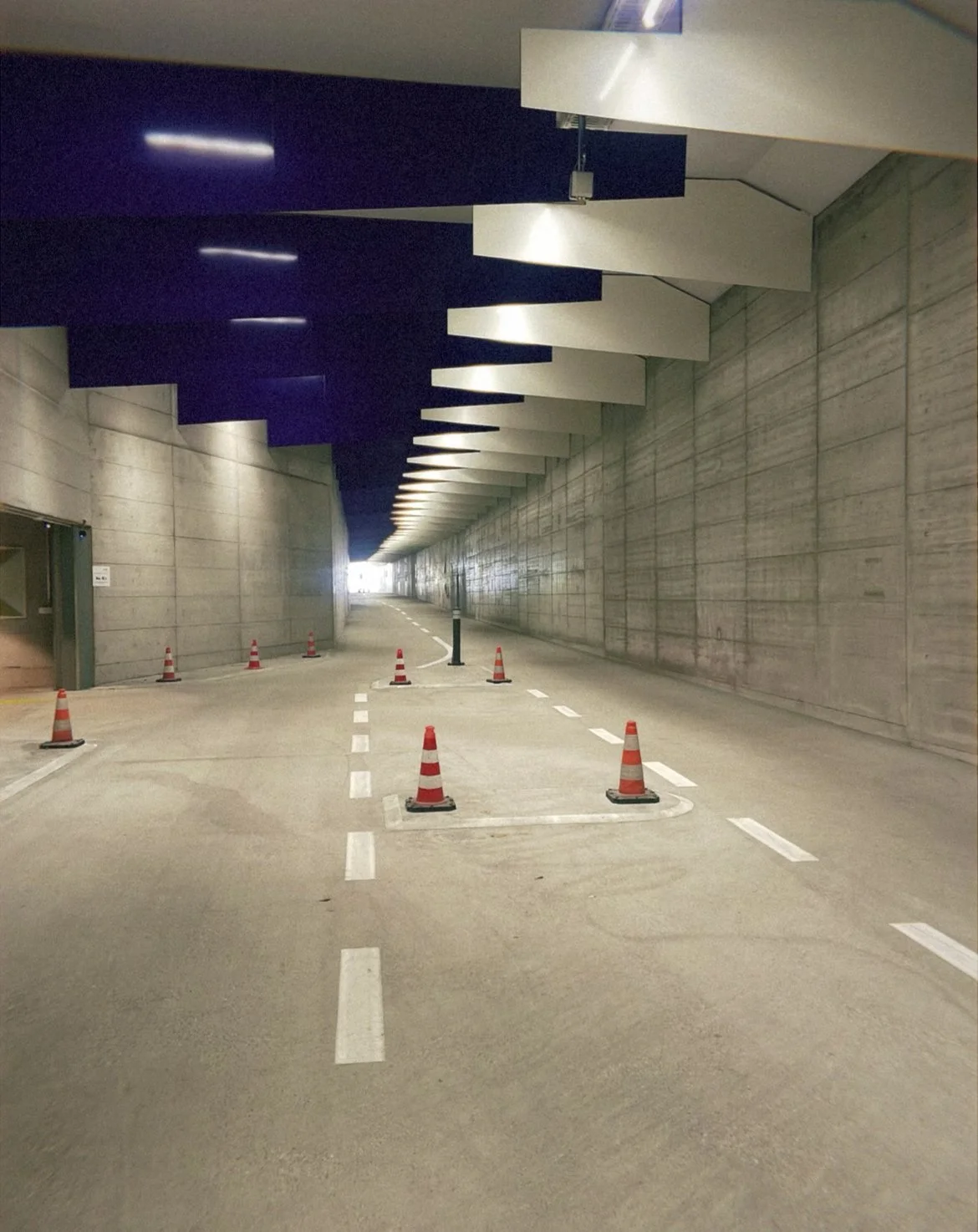
Velotunnel
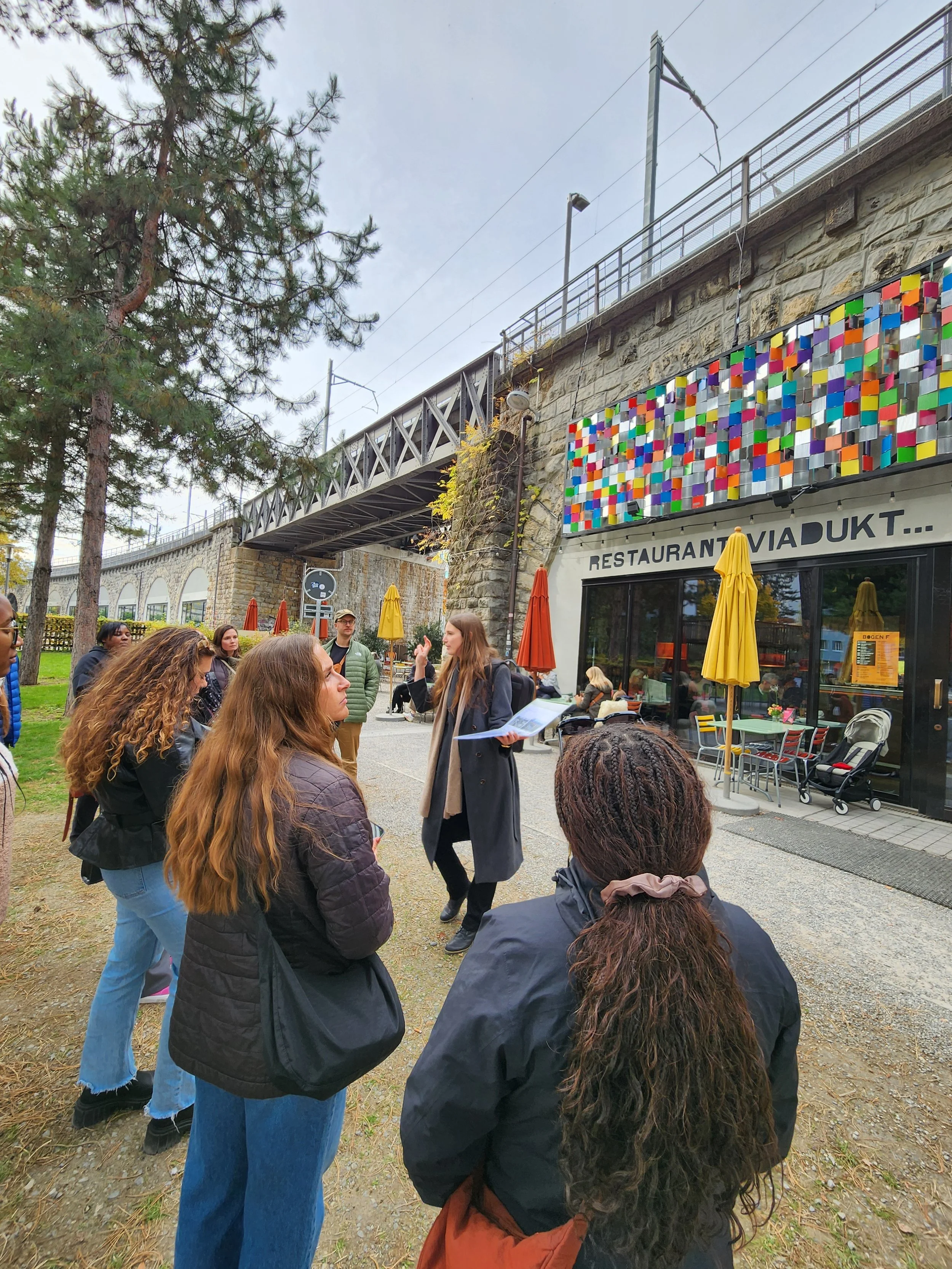
It was a diverse tour that began at Freitag’s flagship store made using shipping containers. It was intended to be a temporary structure, but has become a neighborhood icon. We also got to walk along the old city viaduct and saw how the structure has been repurposed for many retail outlets, including a daycare center. The redeveloped has brought new life into a part of town that historically had crime and other issues while preserving the history and beauty of the viaduct.
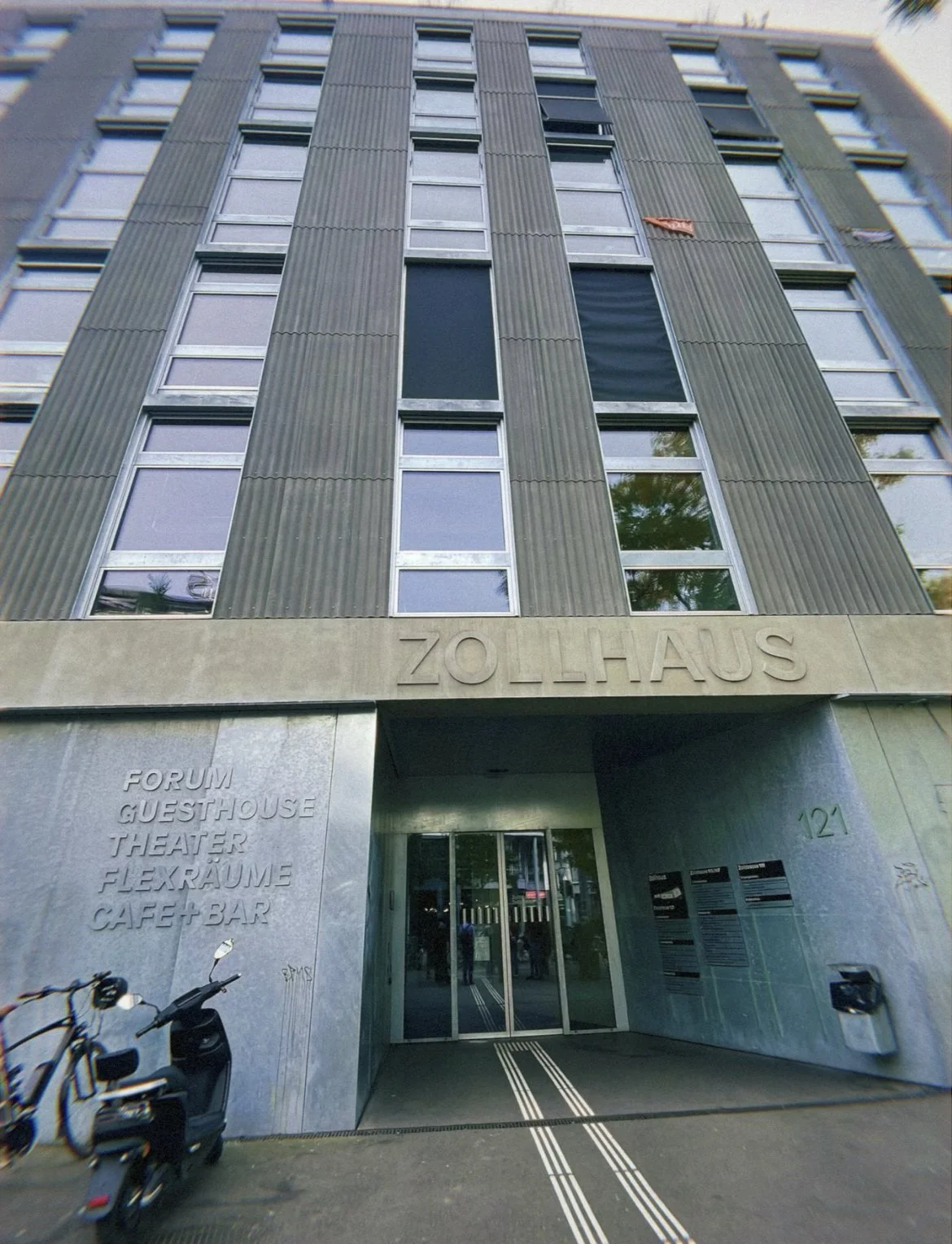
We also toured Zollhaus, a cooperative living center featuring apartments and many communal areas. Cooperatives have grown in popularity in a country facing rapid increases in rent prices. Residents that are lucky to get into a coop have many protections private renters don’t. But, it costs money to join one and the waiting list is long.
This experience would be a precursor to a theme we ran into across the country. Many local governments sold there land in the past and now how little control over how land is used and less ability to keep housing prices down. It’s a cautionary tale about how vital public lands are. We learned this problem has also been exacerbated by the fact that the national railroad company, SBB, was converted from a public institution into a private company that now trades on the stock market. The railroad is the largest real estate holder in the country, all of which has now been privatized.
We ended our tour at Velotunnel. It’s a bike tunnel connecting to Zurich’s central train station that originally was built for another purpose. It took the community 10 years to lobby for converting it into bicycle infrastructure. It’s a inspiring lesson that sometimes it takes a dedicated push from the community to make action happen. There are also hundreds of public parking spaces for bicycles at the central train station which makes it easy for commuters to take their bike to the train station and not worry about it being stolen.
Day 2 - ETH University & Circular Economy Business Tours
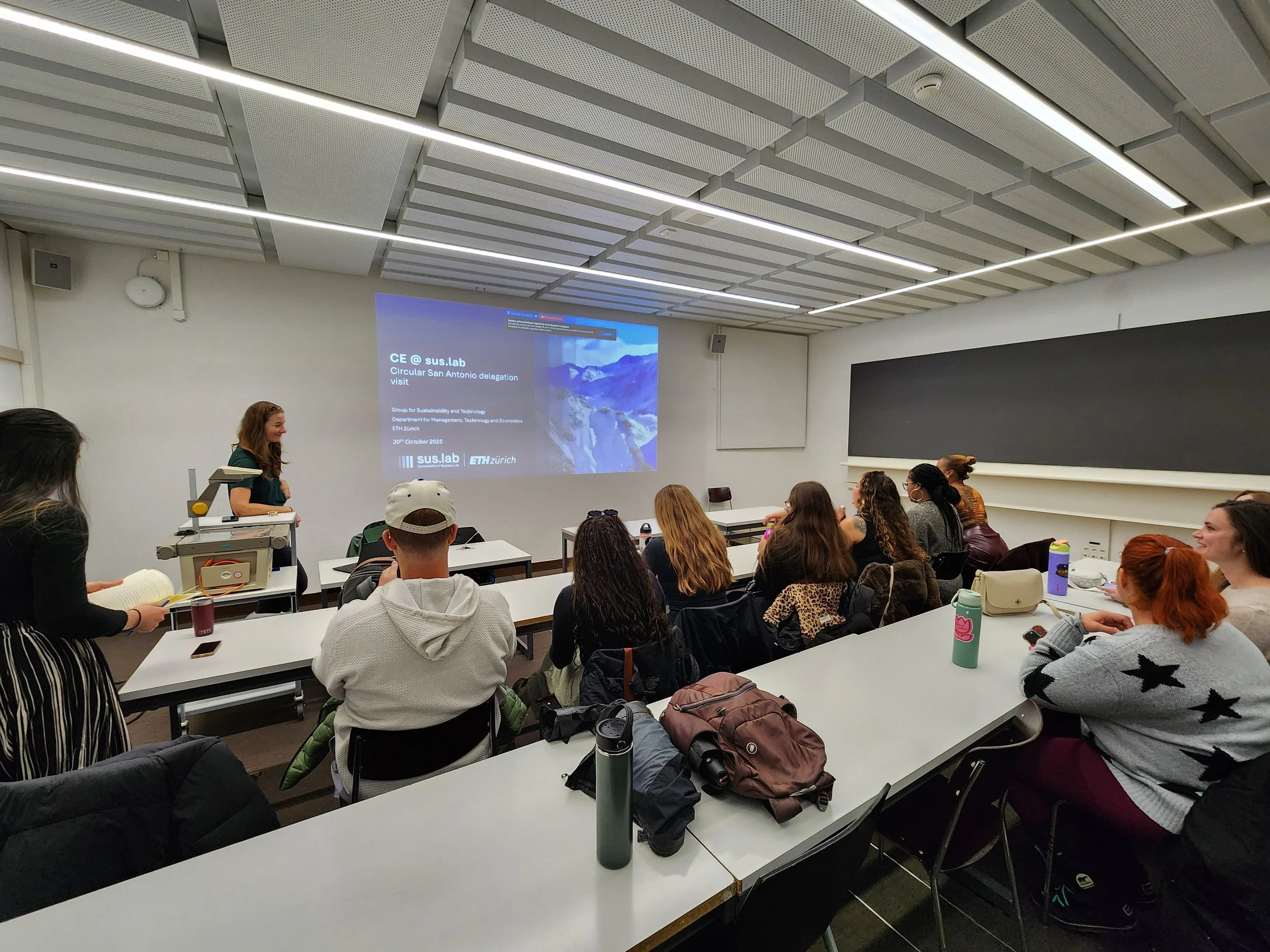
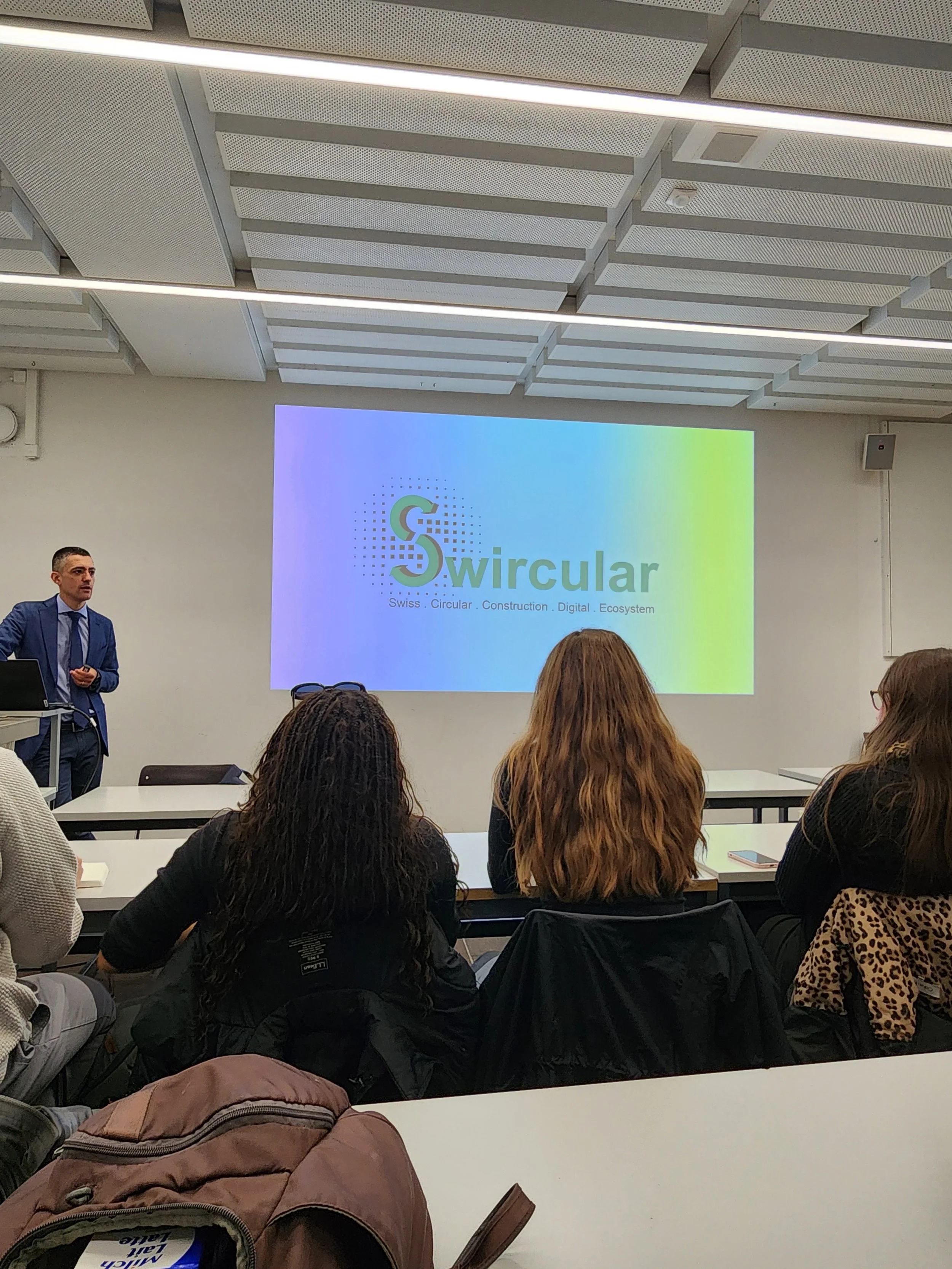
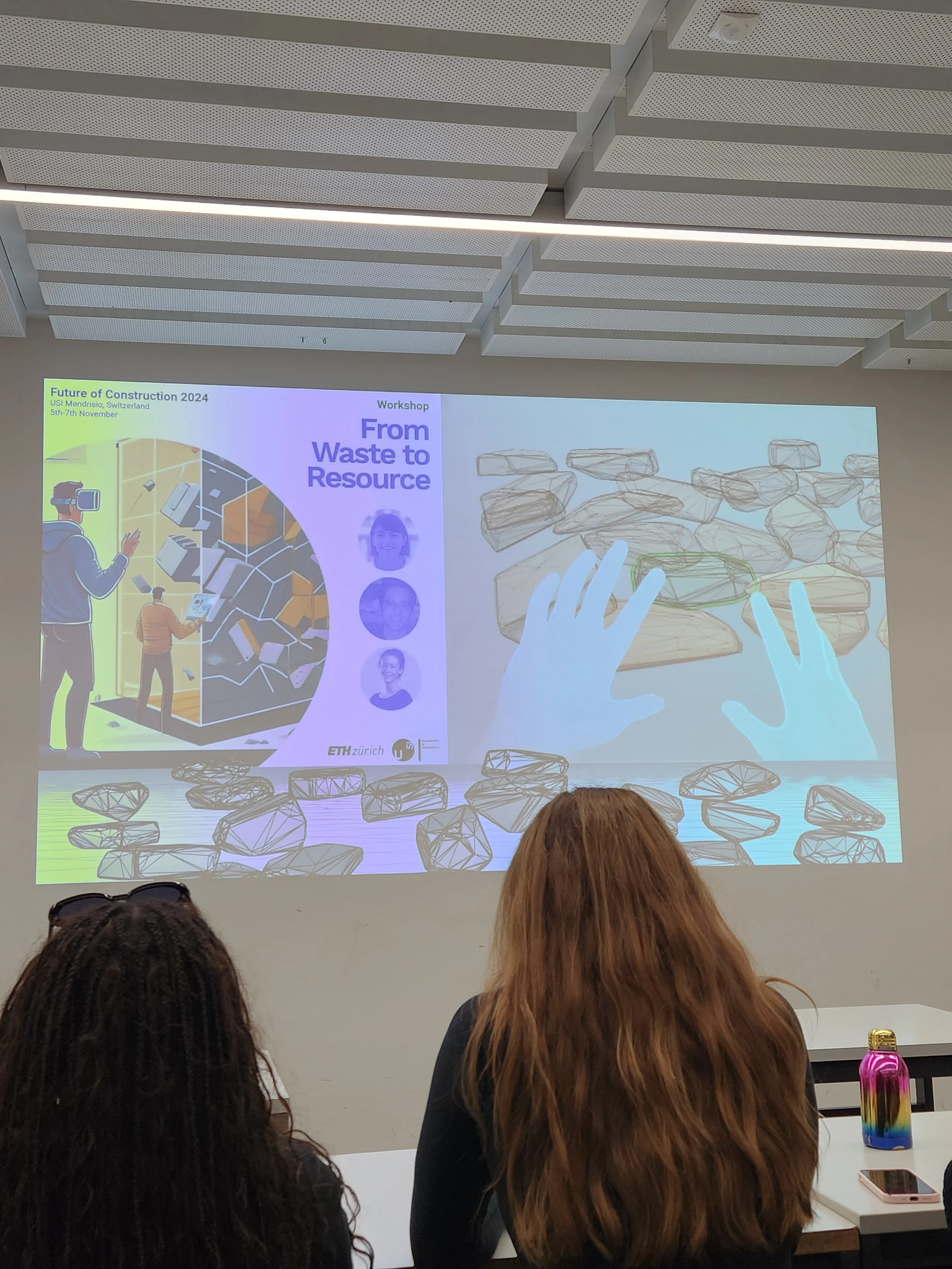
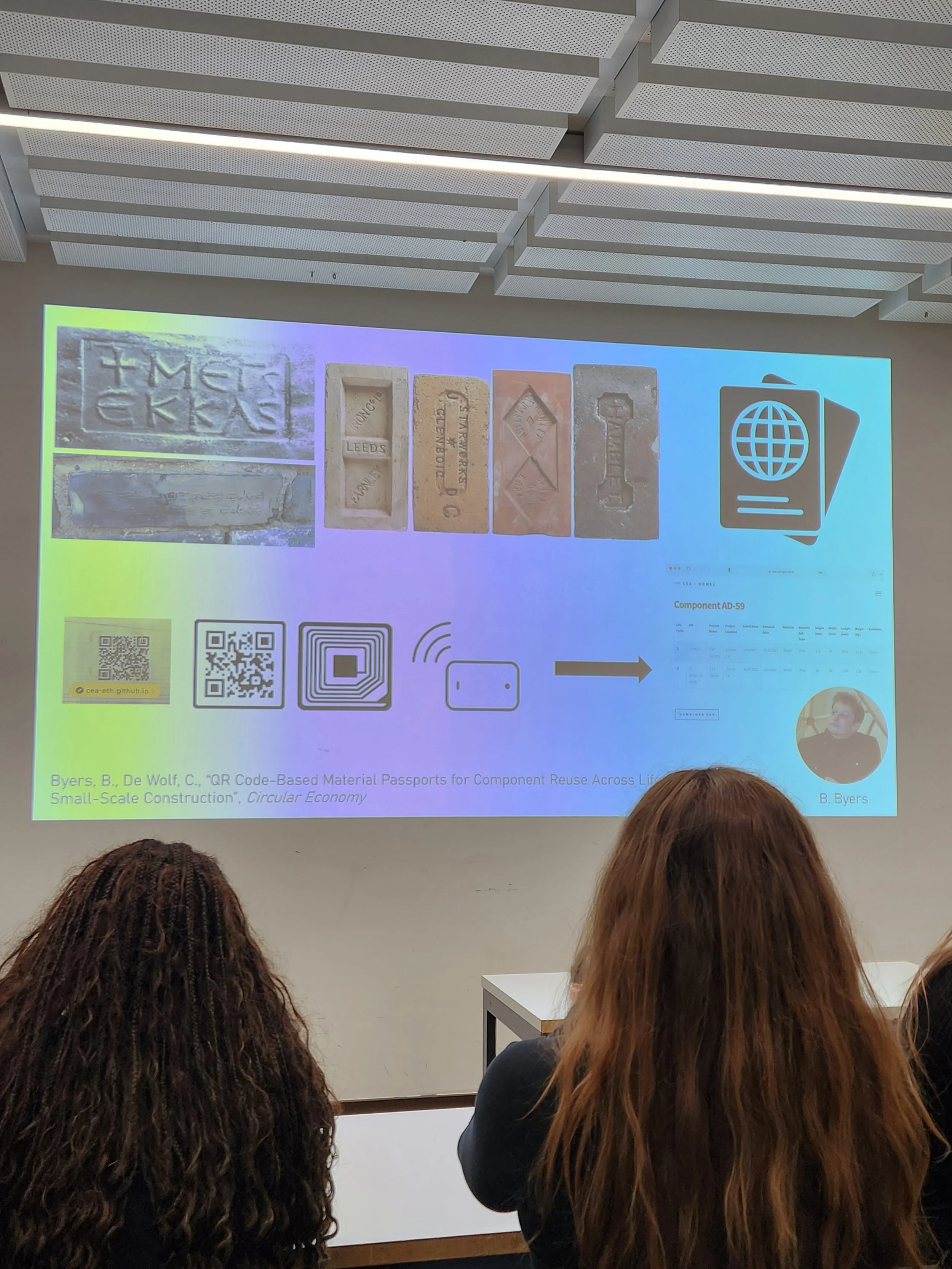
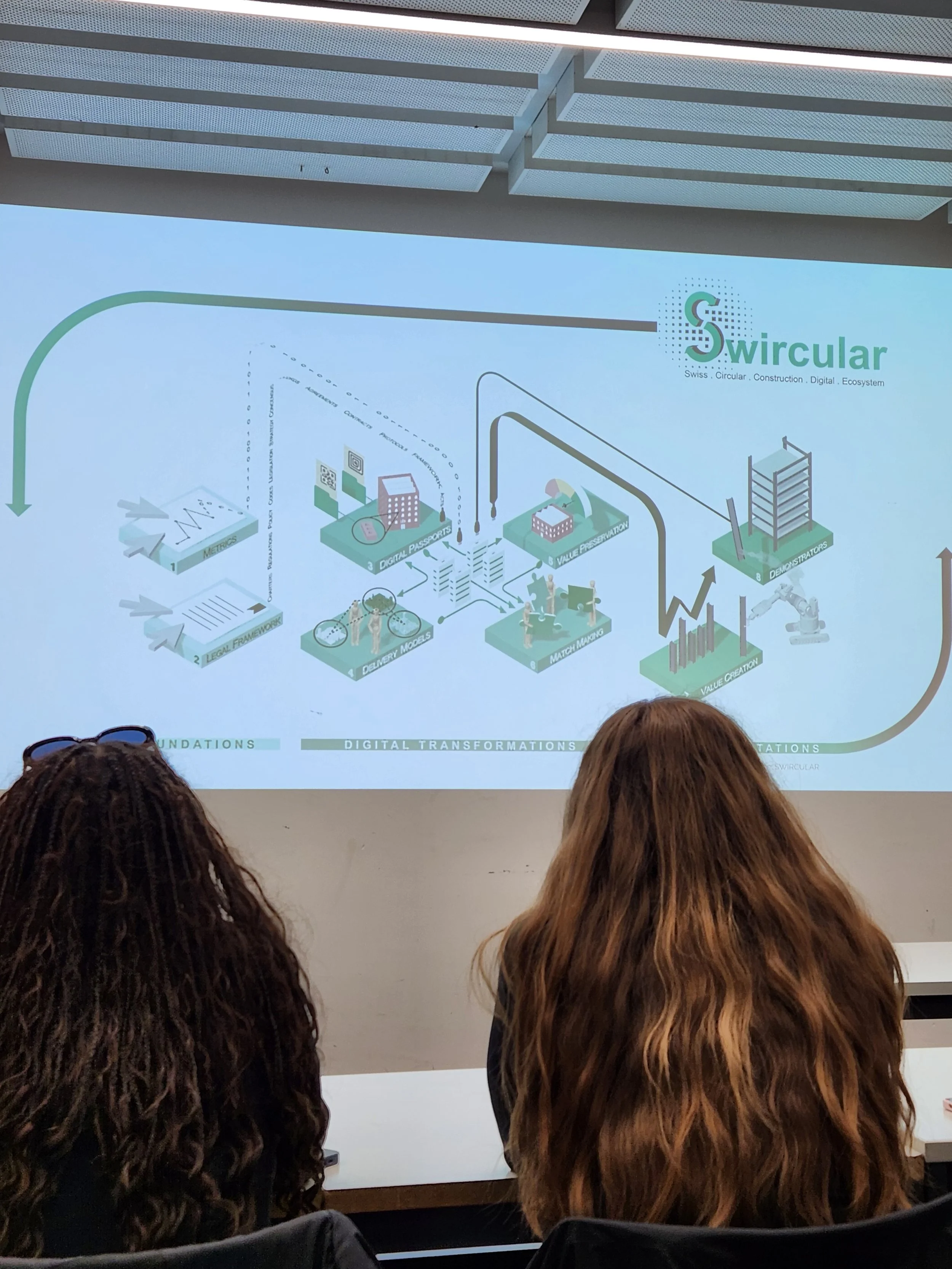
We kicked the day off with a tour of the HIL building at ETH Zürich university and several amazing presentations, including Dr. Marianne Kuhlmann with the Sustainability in Business Lab (sus.lab) and Claudio Martani with Circular Engineering for Architecture (SWIRCULAR project).
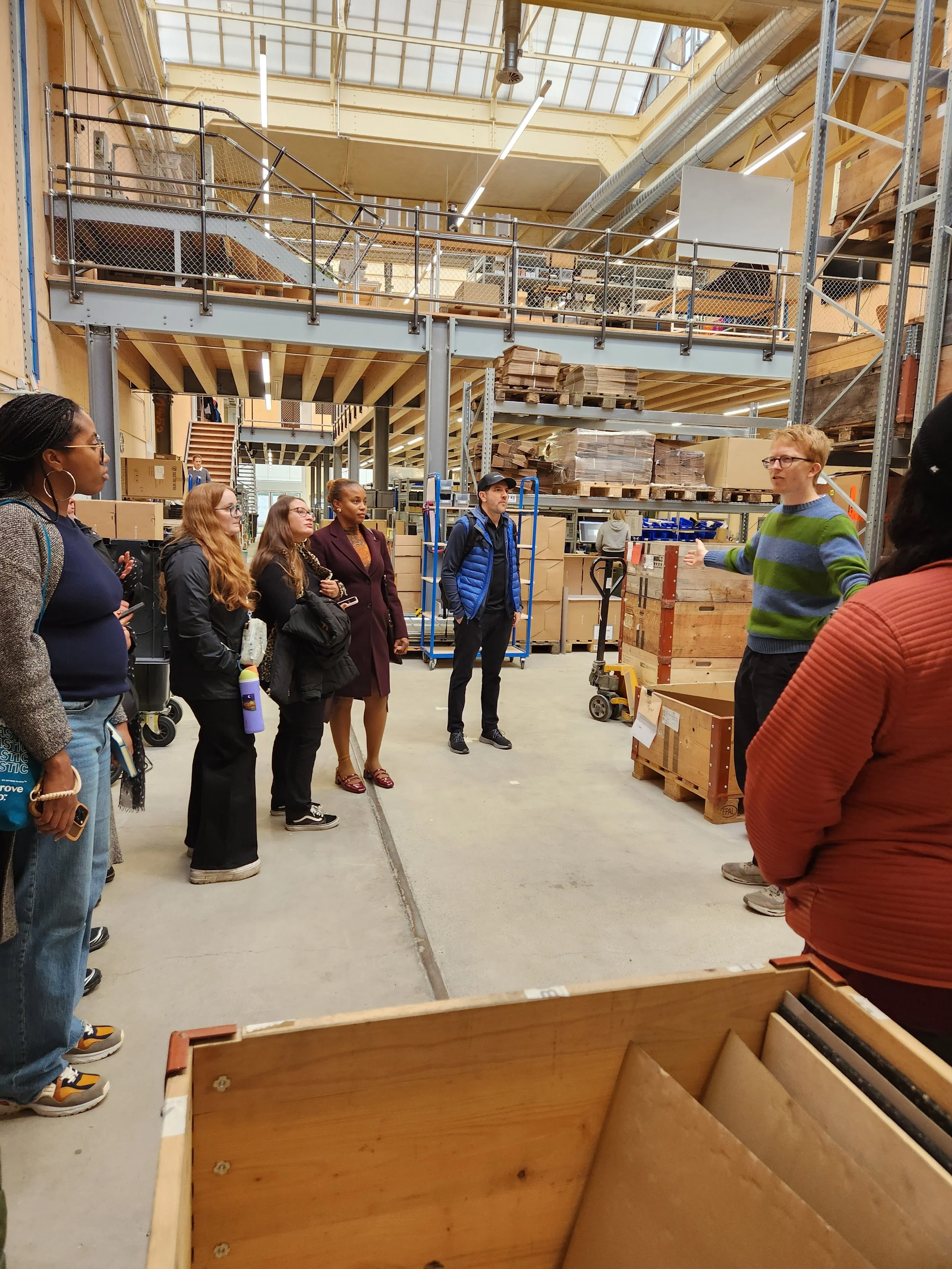
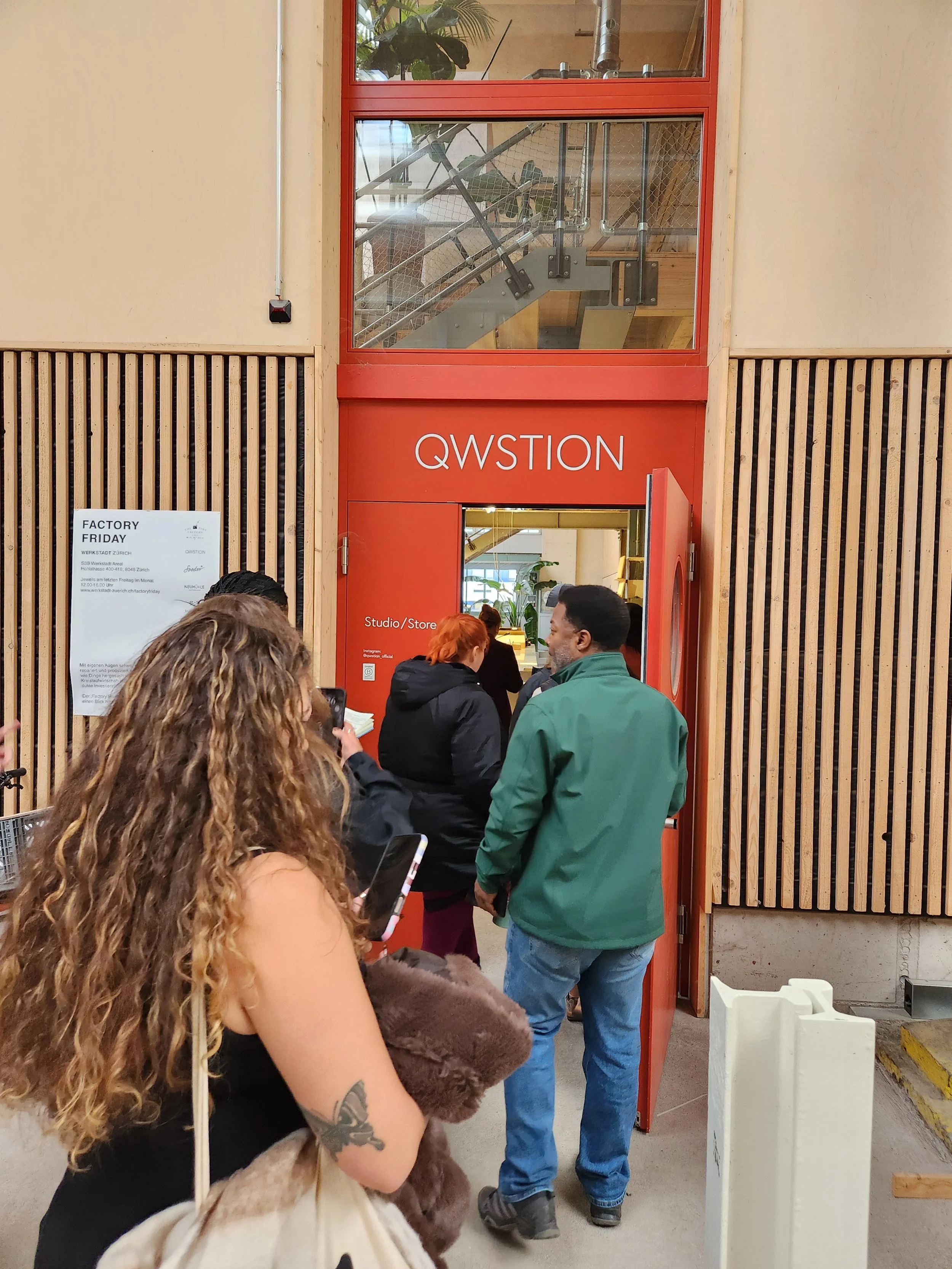
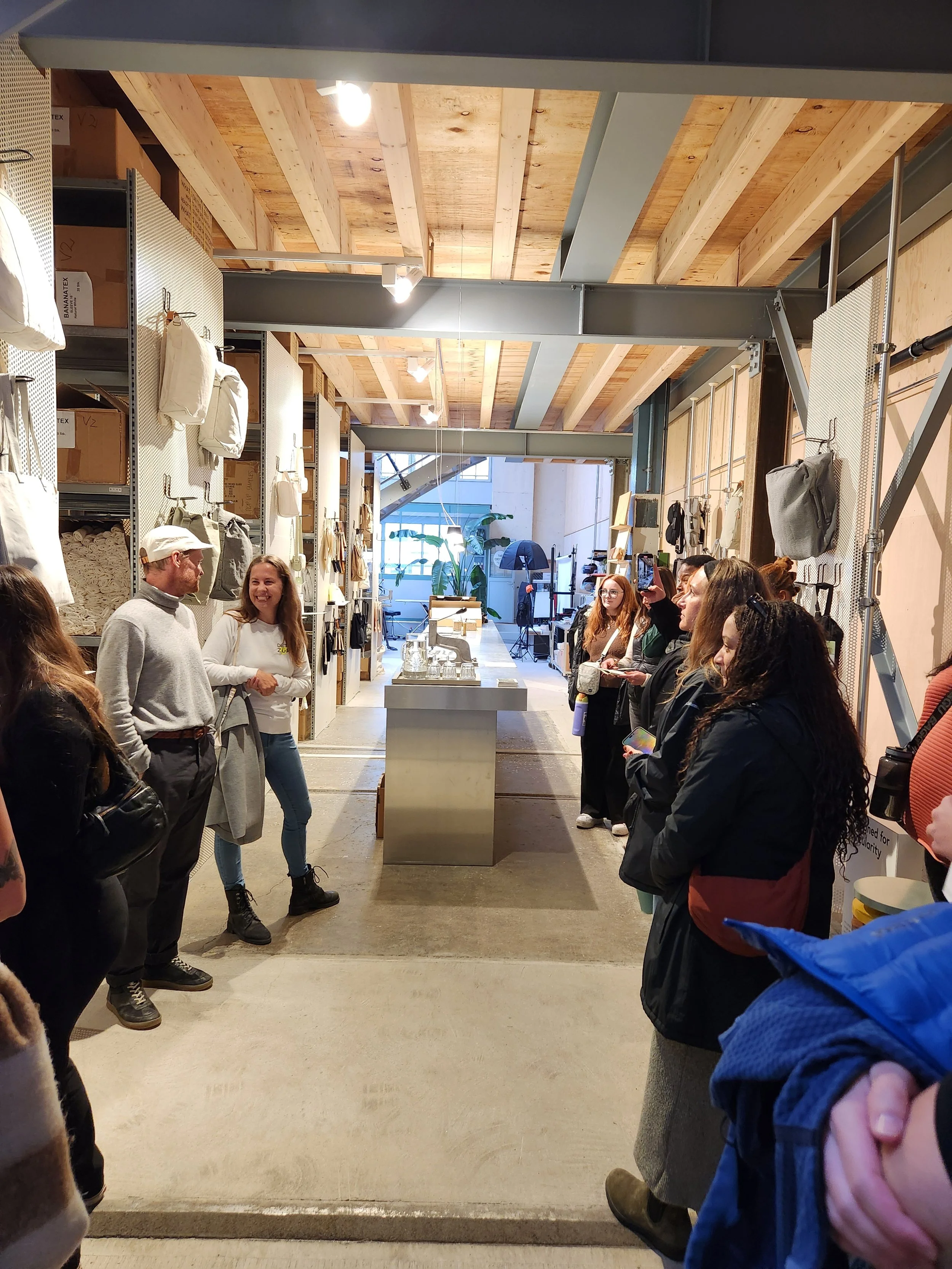
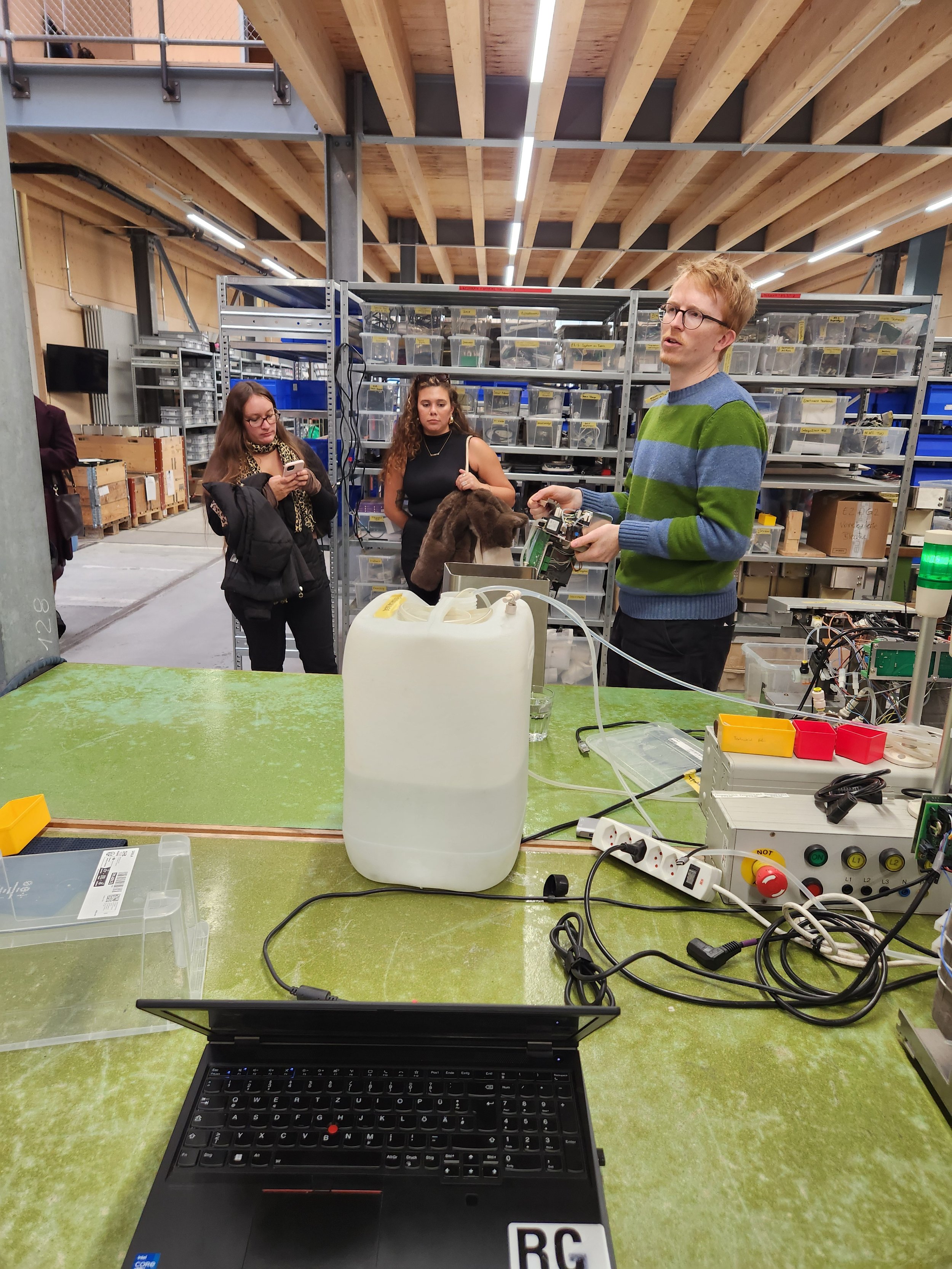
After lunch, we had a wonderful tour across the city visiting several entities embracing circularity, including Impact Hub Zürich: Switzerland's largest network of creatives, startups, and techies, connecting change-makers to a unique ecosystem; ZURIGA AG, a local manufacturer or circular economy espresso machines; and QWSTION, an fashion company using bananatex (banana fiber textiles) to produce circular clothing and apparel.
Our team had so many takeaways from the day. For example, seeing the prototypes of the Zuriga espresso machines, their repair station, and their production line all in one space was so cool. It was like being in the lab of a mad scientist, but with purpose. And they are an example of how circularity can pay off: sales have exploded so much they have a 7 month waiting period.
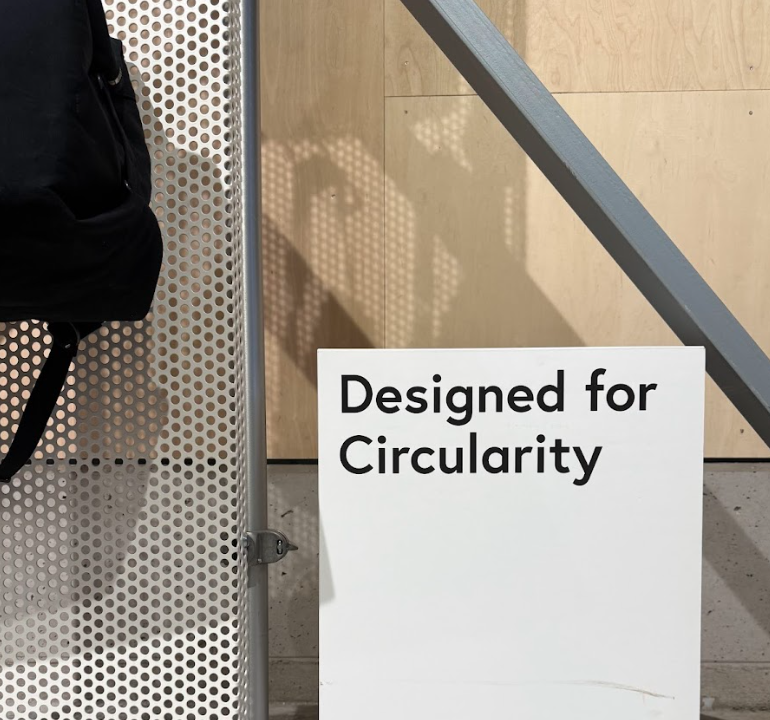
Hearing the passion of Christian Paul Kaegi, Co-founder of Qwiston, and learning more about the unique properties of banana fibers was inspirational. It's rare to find a company in the clothing and apparel industry that is 100% committed to thinking about circularity and eliminating plastics. They've gone so far as to even remove plastic from the tiny things like stitching and labels. Several of their products are 100% compostable, after you remove the zipper and some small metal connectors.
Claudio's presentation brought great clarity regarding how to better think about all the systematic changes needed to scale circularity in the built environment. It's reassuring to know there are so many talented individuals working on the SWIRCULAR project and that there is growing belief in the technical feasibility to scale circularity in the built environment in a way that also reduces cost for stakeholders, which is the main hurdle to scalability.
Day 3 - Day Trip to Basel
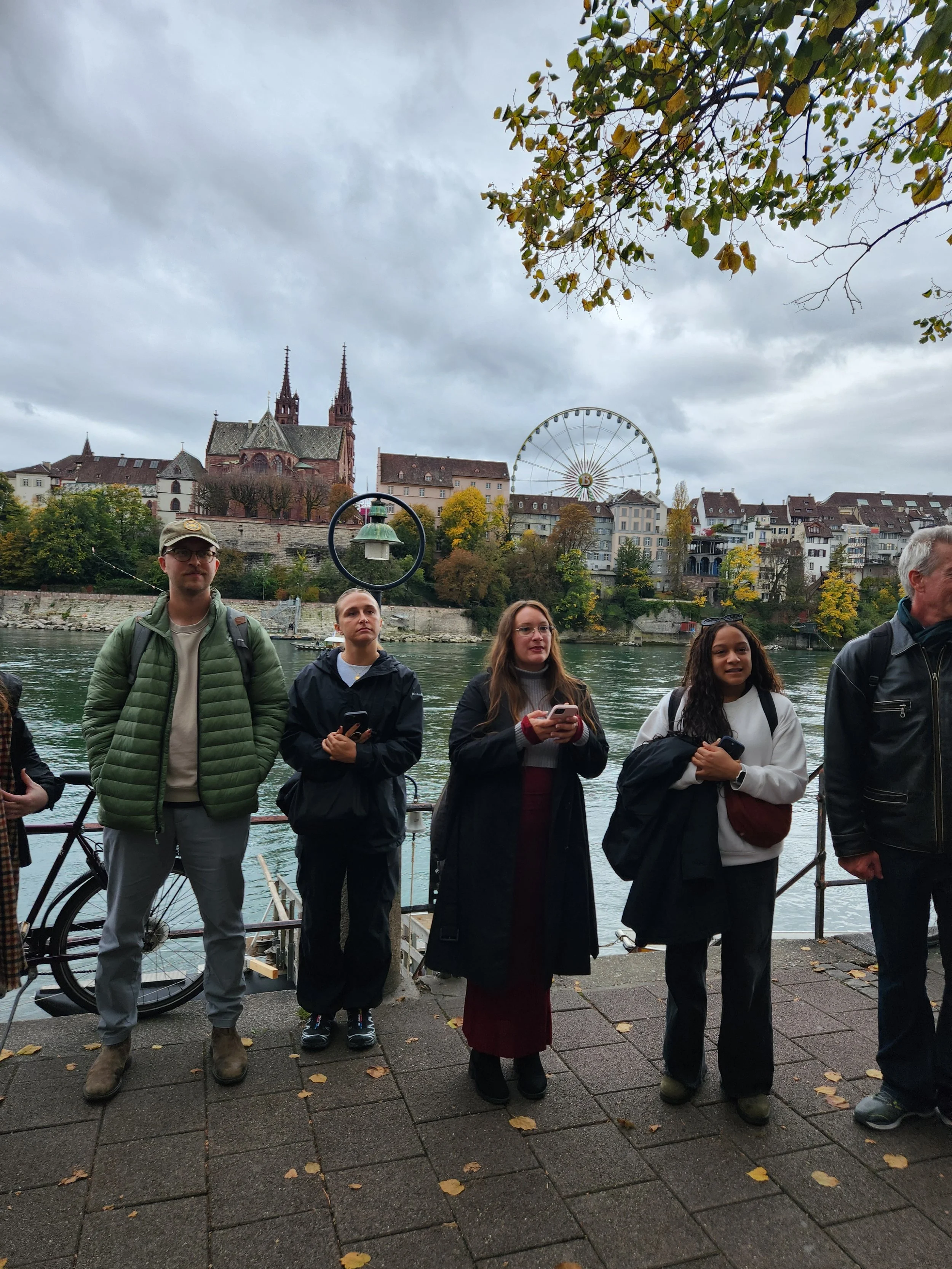
On our third day we took a day trip from Zurich up to Basel. We pride ourselves on the immersive nature of our delegations, but this day surpassed all expectations.
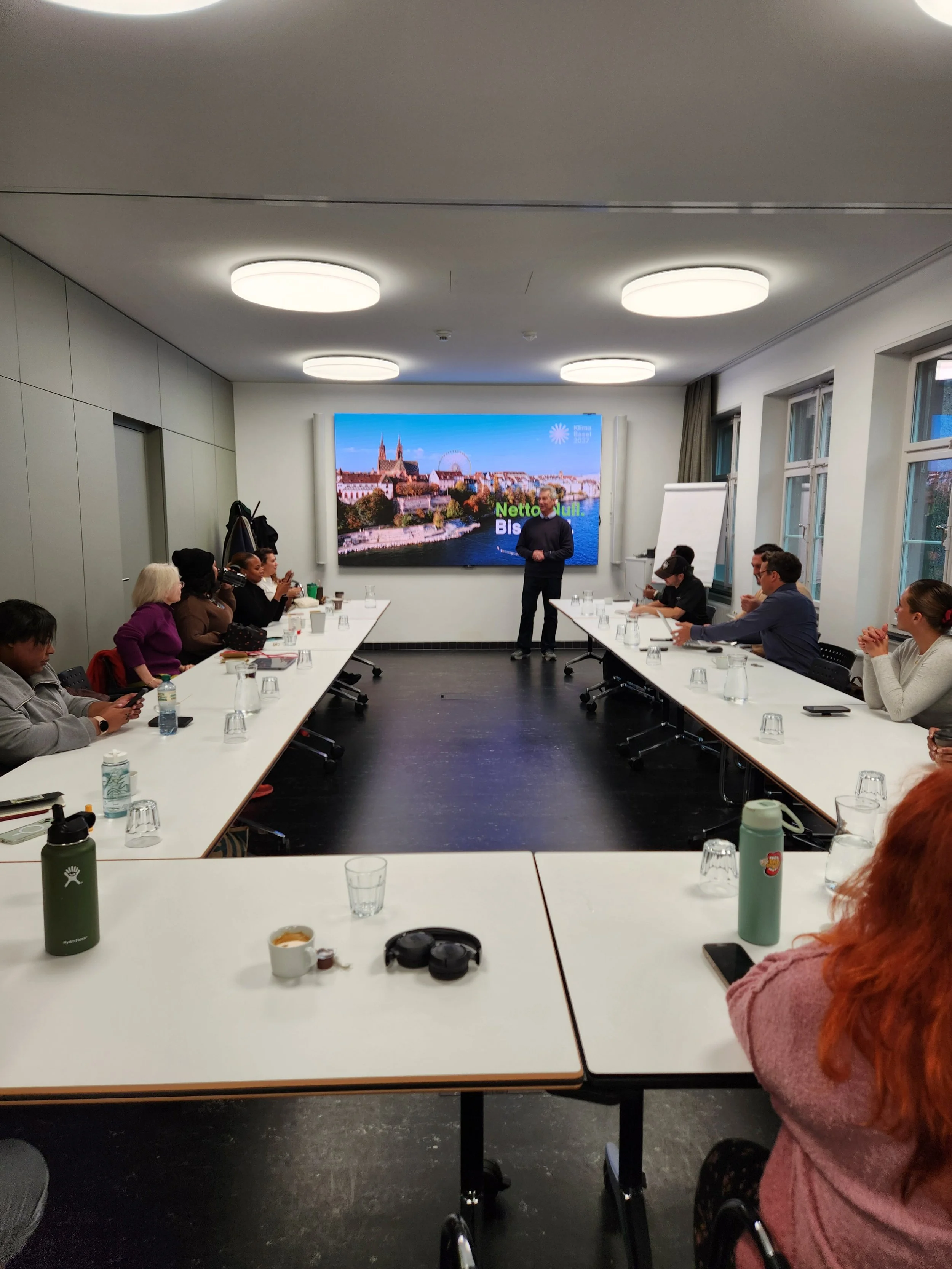
We began the day meeting with Nicolai Diamant from Kanton Basel-Stadt and learning about the commitments and strategies to reach net zero by 2037. One way they will reach this goal, which is the most ambitious in Switzerland, is by expanding their district heating system across the entire city and utilizing renewable energy.
This goal of net zero by 2037 is enshrined in the Canton’s constitution. Therefore, the government has an imperative to reach this goal.
We also learned more about BaselCircular and the Public Private Partnership (PPP) that is providing 2 million CHF each year for 8 years. This dedicated funding for circular economy allows Basel to focus intensive efforts on helping businesses, especially SMEs, transition to a circular economy.
We then visited Francke Areal and received a presentation from Gabriel Eckenstein of the Eckenstein-Geigy Stiftung Foundation about their urban renewal project with a strong focus on circularity. They purchased several existing buildings with the goal to renovate with as much circularity as possible. There will also be space for entrepreneurs and other tenants working on circularity and sustainability.
It was inspiring to hear Gabriel's passion about the need for urgent action to scale circularity and his long-term focus on making the world better for future generations. We need more visionaries like Gabriel deploying philanthropic catalytic capital on amazing lighthouse projects like Francke Areal.
Next was a really fun activity where we recorded 4 podcast in partnership with SHIFT Switzerland. Each 15 minute podcast included one of our delegation members and a local professional from Switzerland. Here’s the link to one podcast discussion between Christopher Moken, Co-Founder of Circular San Antonio and Gabriel Eckenstein.
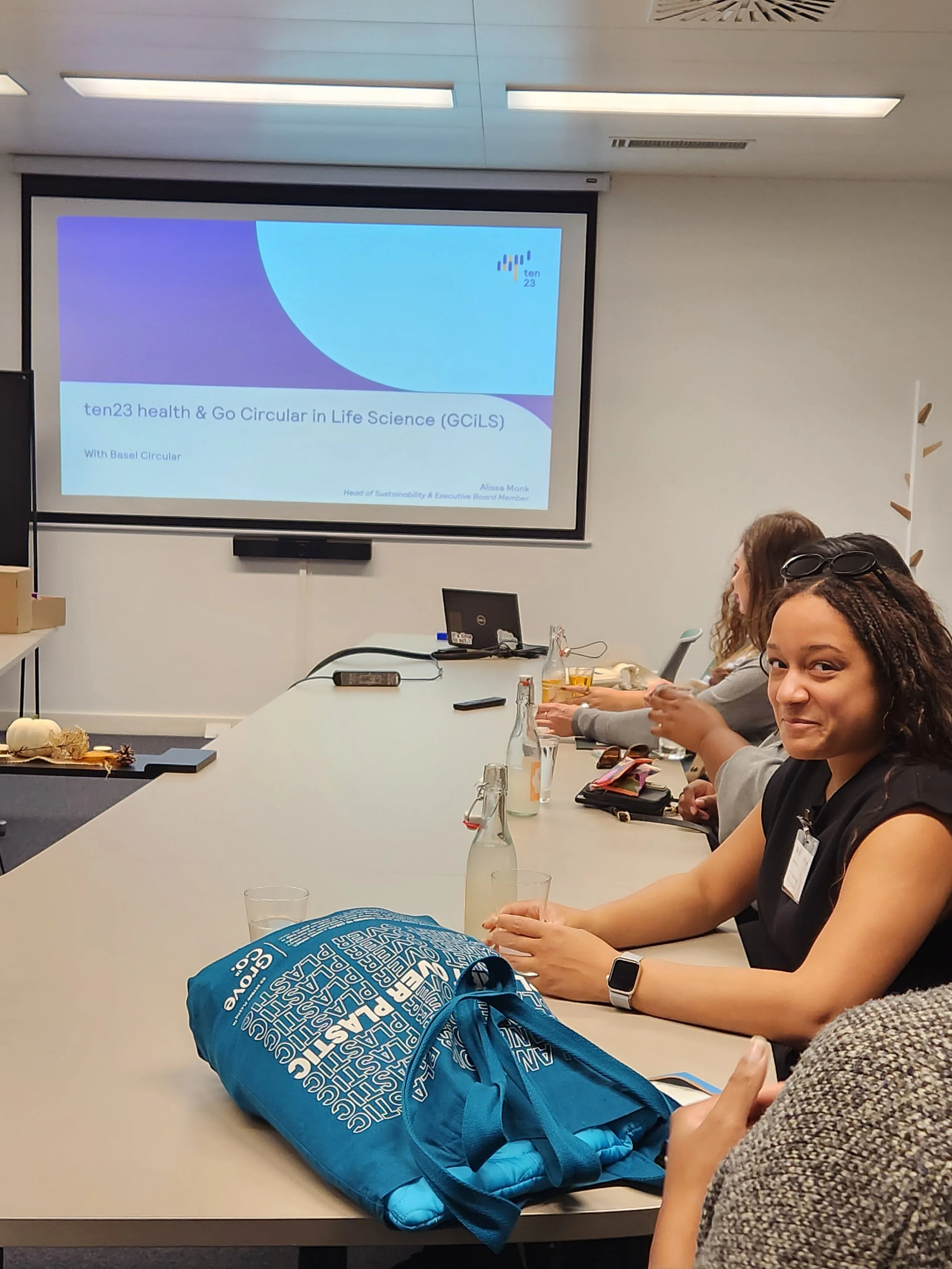
After lunch, we had a fascinating visit to ten23 health. They have some truly innovative approaches to scaling circularity in the life-science industry. What was even more impressive is their commitment to build collaboration across the life science industry to help the entire industry become more sustainable.
One of these initiatives is the creation of Go Circular in Life Science. This is a collaborative ecosystem where life science companies share leanings about how each company achieves circularity. The mentality of ten23 is that sustainability should not be about competing, but about collaborating.
We also had the privilege to meet a local pioneer of circularity in Basel that launched one of the first community led lease purchase agreements to take over an old structure and develop a mixed-use community with affordable rent. The project has now been converted to a cooperative.
Day 4 - Concrete Recycling & INTEP
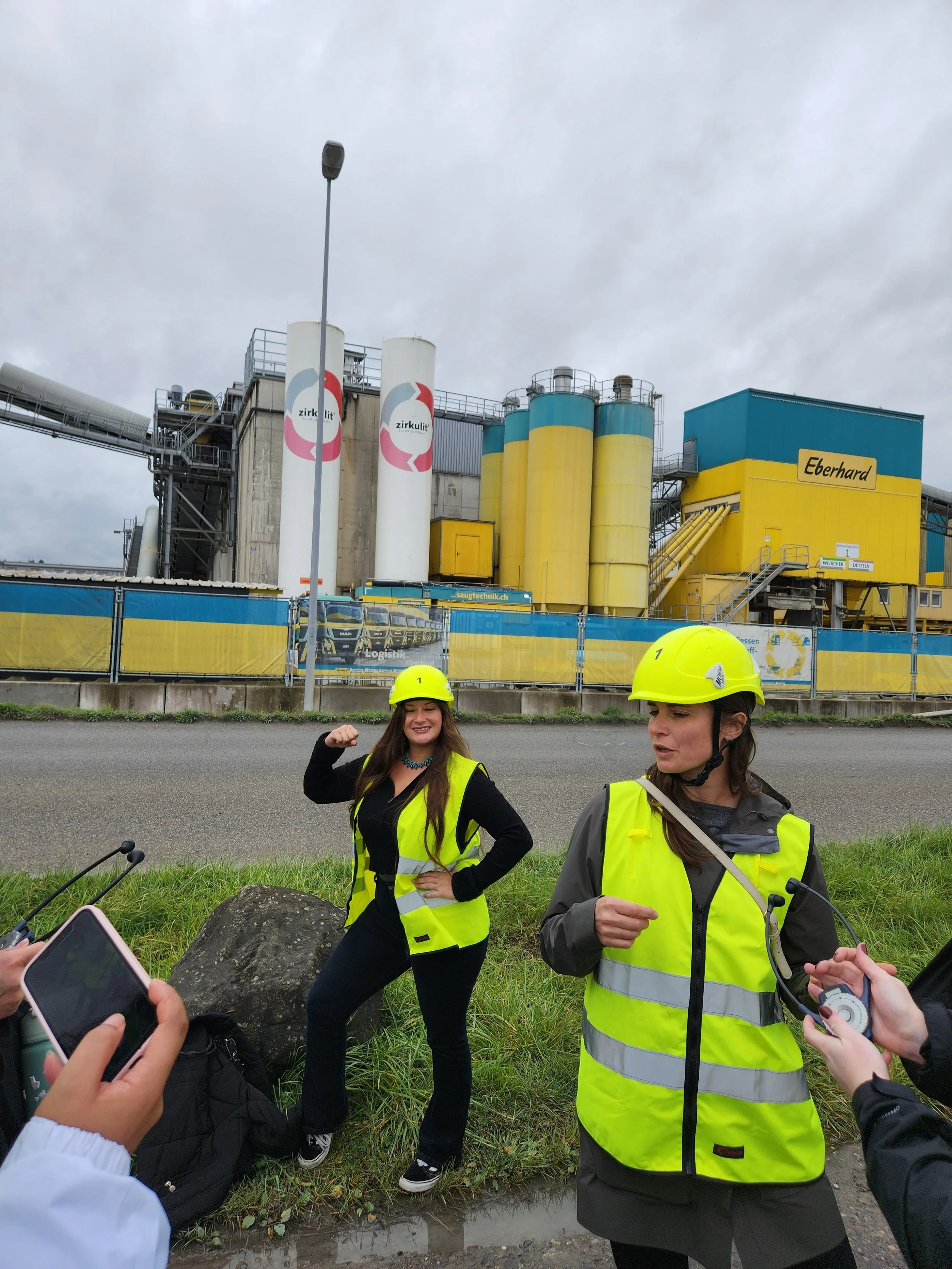
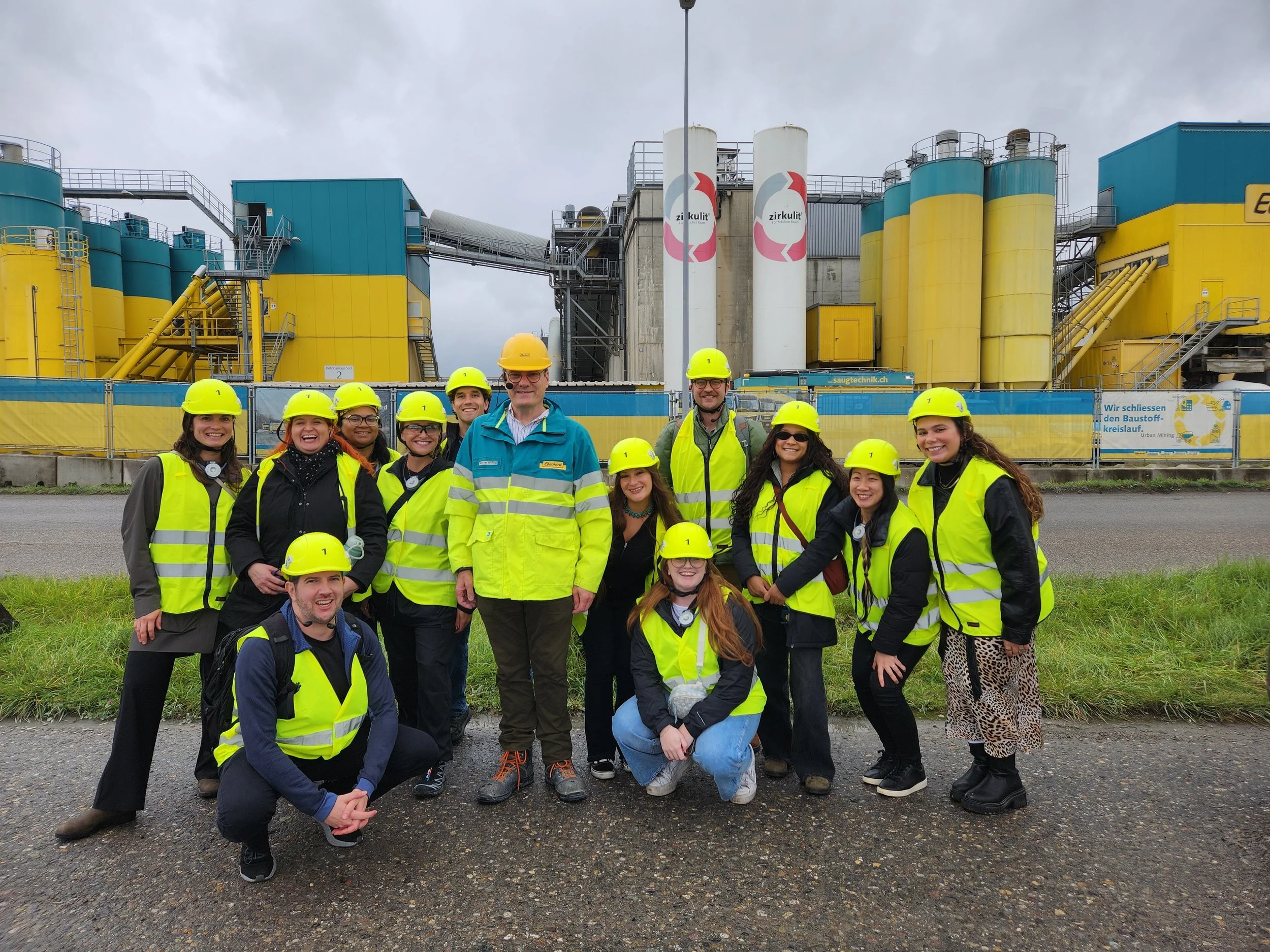
Day 4 of our sustainability delegation to Switzerland was a very concrete day. Pun very much intended. We spent several hours visiting the amazing concrete recycling and house recycling infrastructure in Zurich operated by Eberhard.
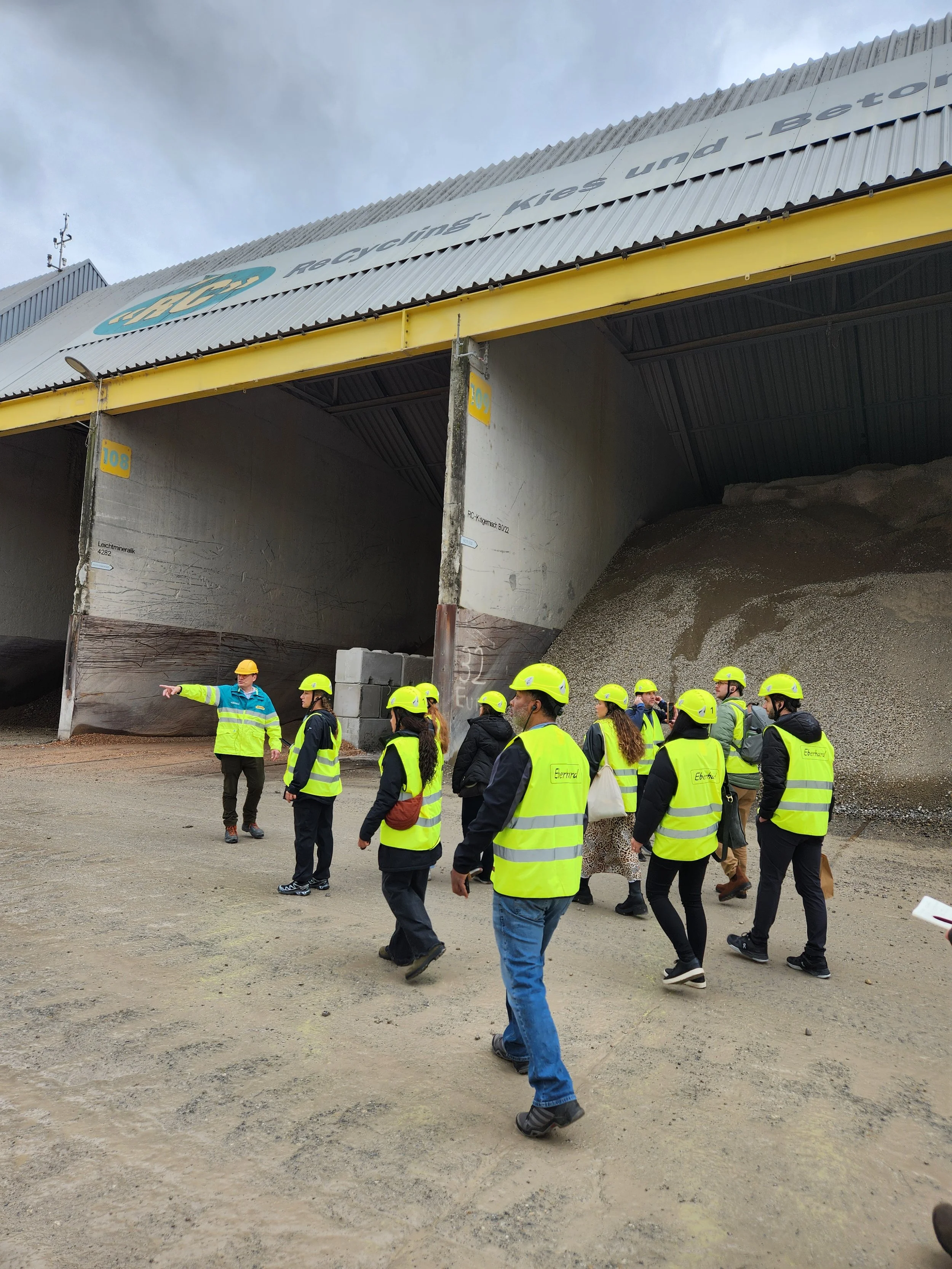
We started at Ebirec, their concrete recycling facility in Rümlang. We then transferred via bus to see EbiMIK, their house recycling facility in Oberglatt.
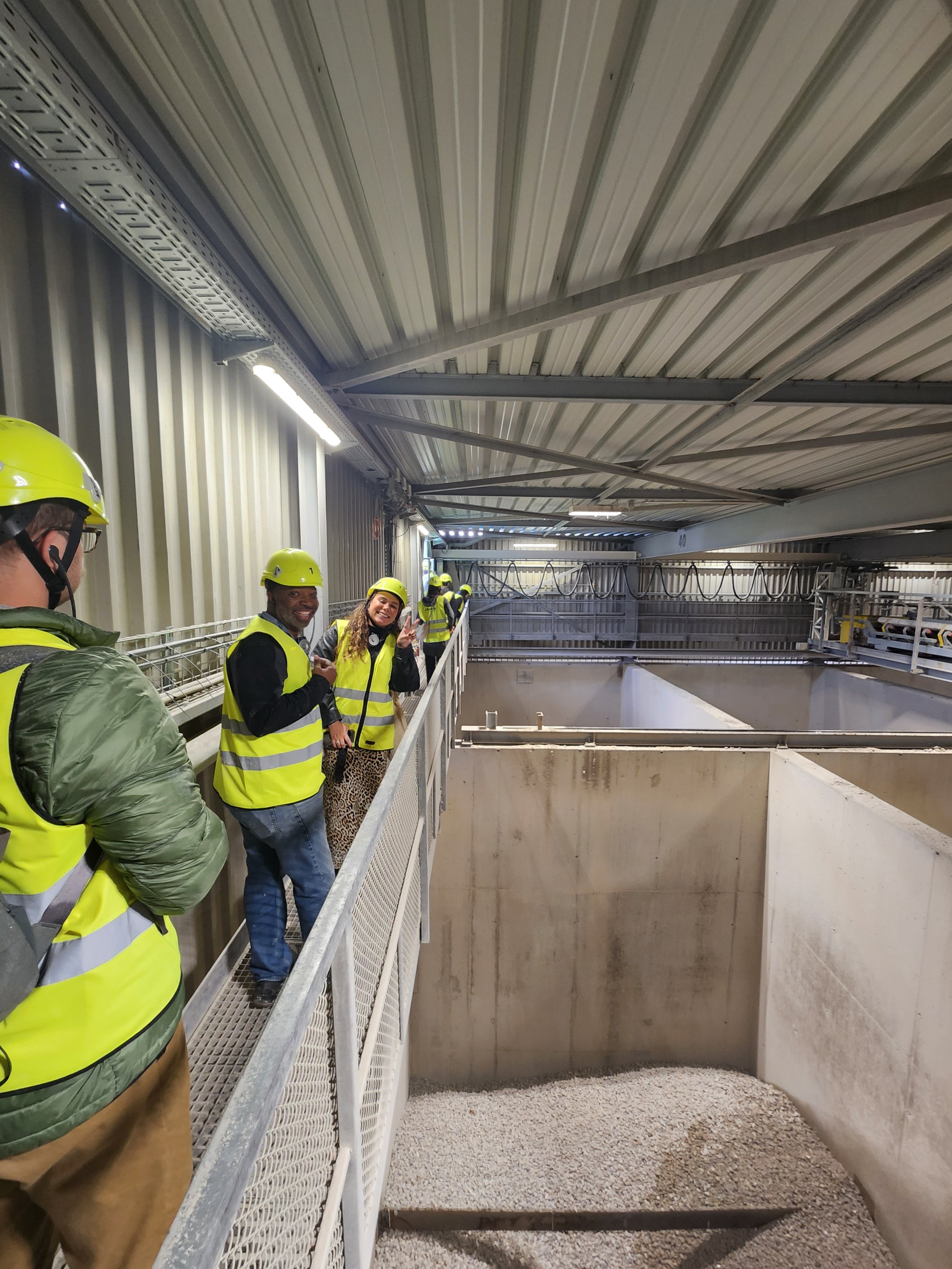
The scale of these operations is impressive. They recycle over 300,000 tons of concrete a year at Ebirec. It's the largest operation of its kind in Switzerland. We also learned the 3 secrets of concrete recycling: sieves, windsiffters, and silos. You need to be deeply focused on sorting the inbound materials to generate quality recycled concrete.
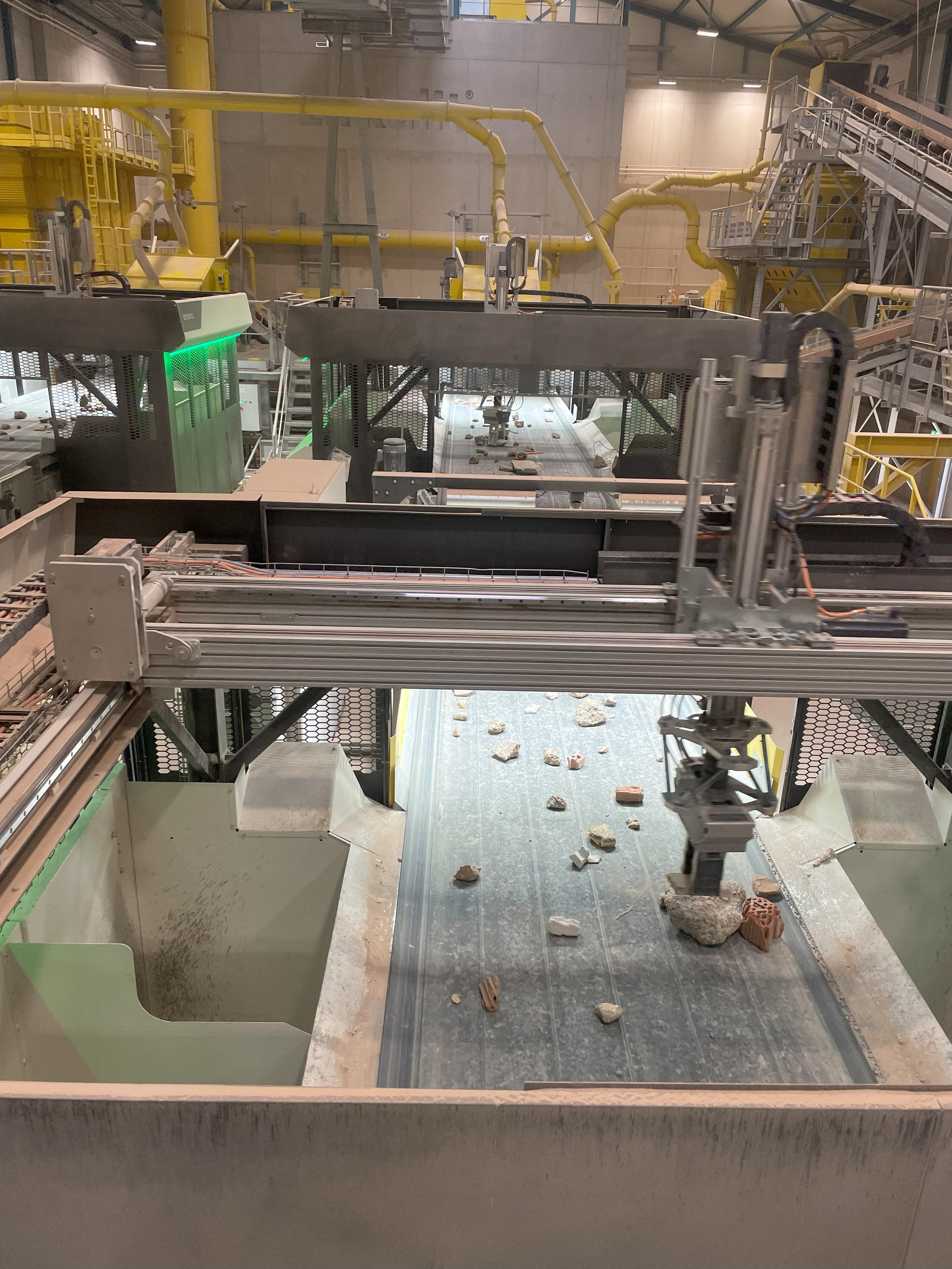
At EbiMIK we saw Eberhard’s philosophy of house recycling. They are focused on recovering and recycling as much material from demolished homes as possible. Their automated robotic sorting line allows them to sort up to 25 fractions on building materials.
They see this as an easier way to scale the reuse of these materials versus the slower process of skilled deconstruction.
One of their main focuses is sorting out quality rocks that can be used for recycled concrete and lower quality rocks that can be put into some other products they design for other uses in the built environment, like insulation (Zirkular).
For them, the goal is to make products from recovered housing materials that will last a long time and can easily come back to them and be recycled again.
Imagine if the rest of the world was doing this?
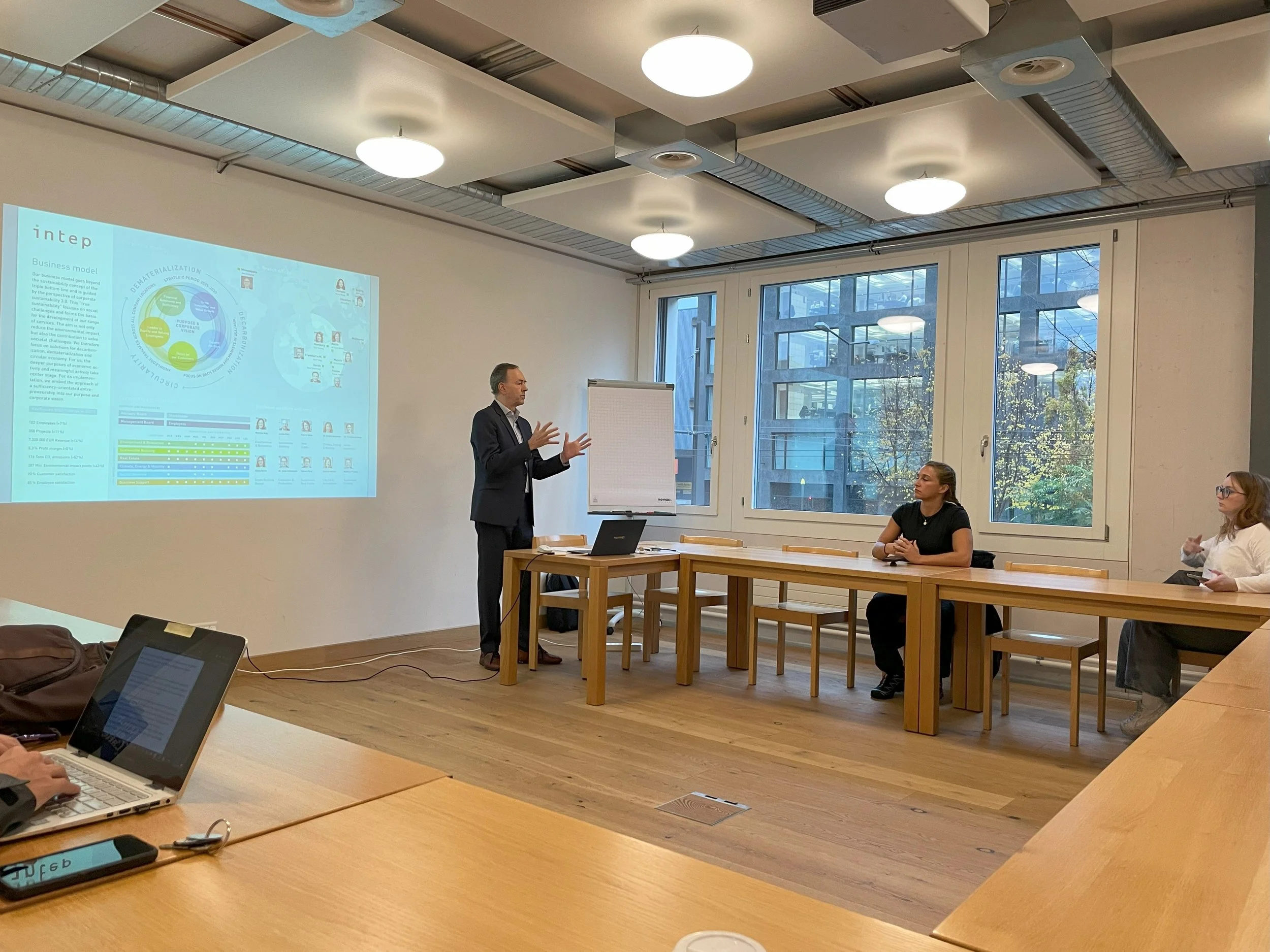
During this day, we also had an excellent presentation from Intep.The main takeaway was the importance of government regulation setting the bar and allowing businesses to innovate to achieve the sustainability goals set for everyone.
Day 5 - Copenhagen: Circular Economy in Action and Architectural Innovation
Hop onboard for Day 5 of our sustainability professional delegation to Switzerland. We really made use of the amazing train network in Switzerland to visit sites from Zurich to Bern and finally Lausanne.
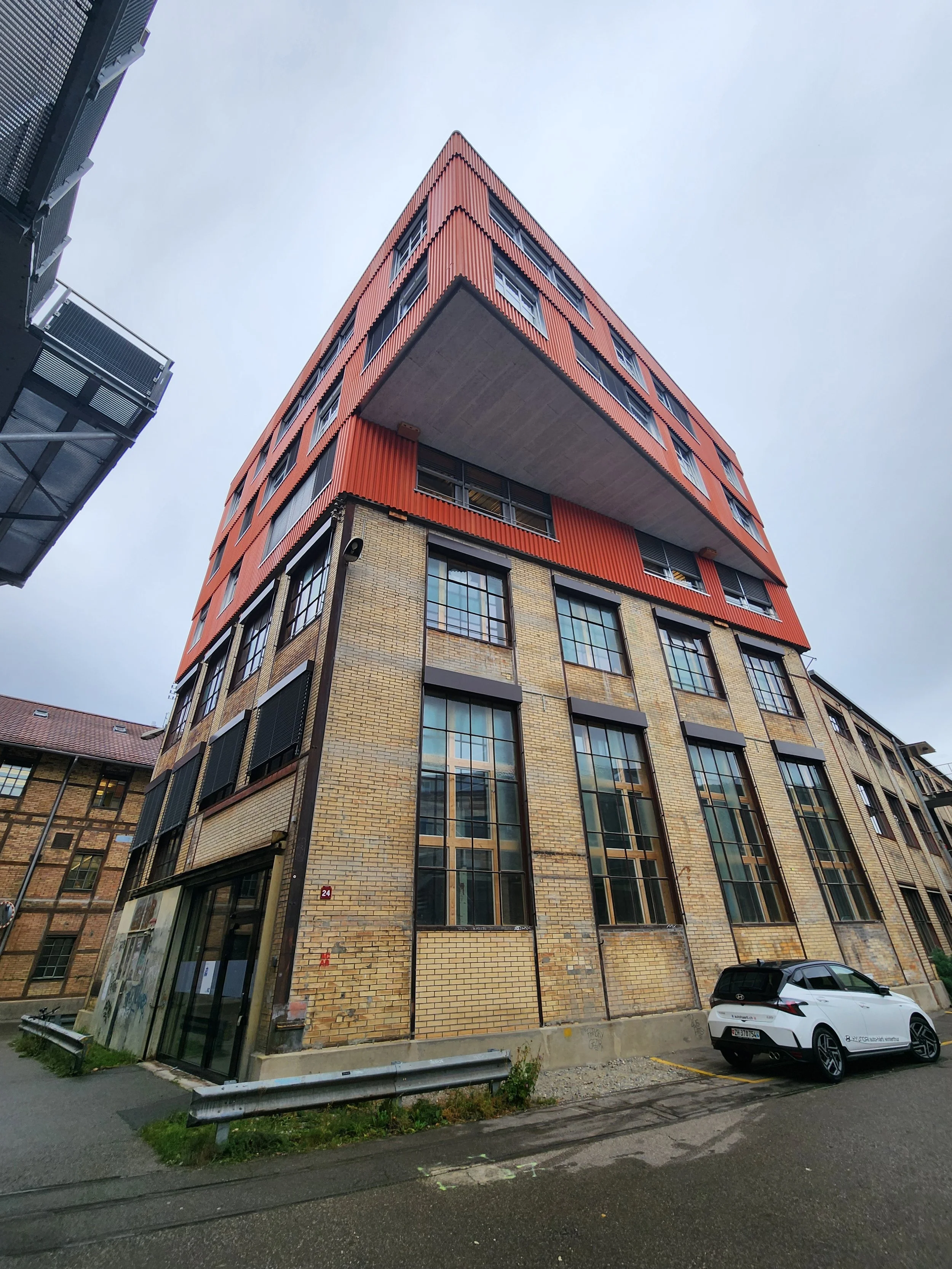
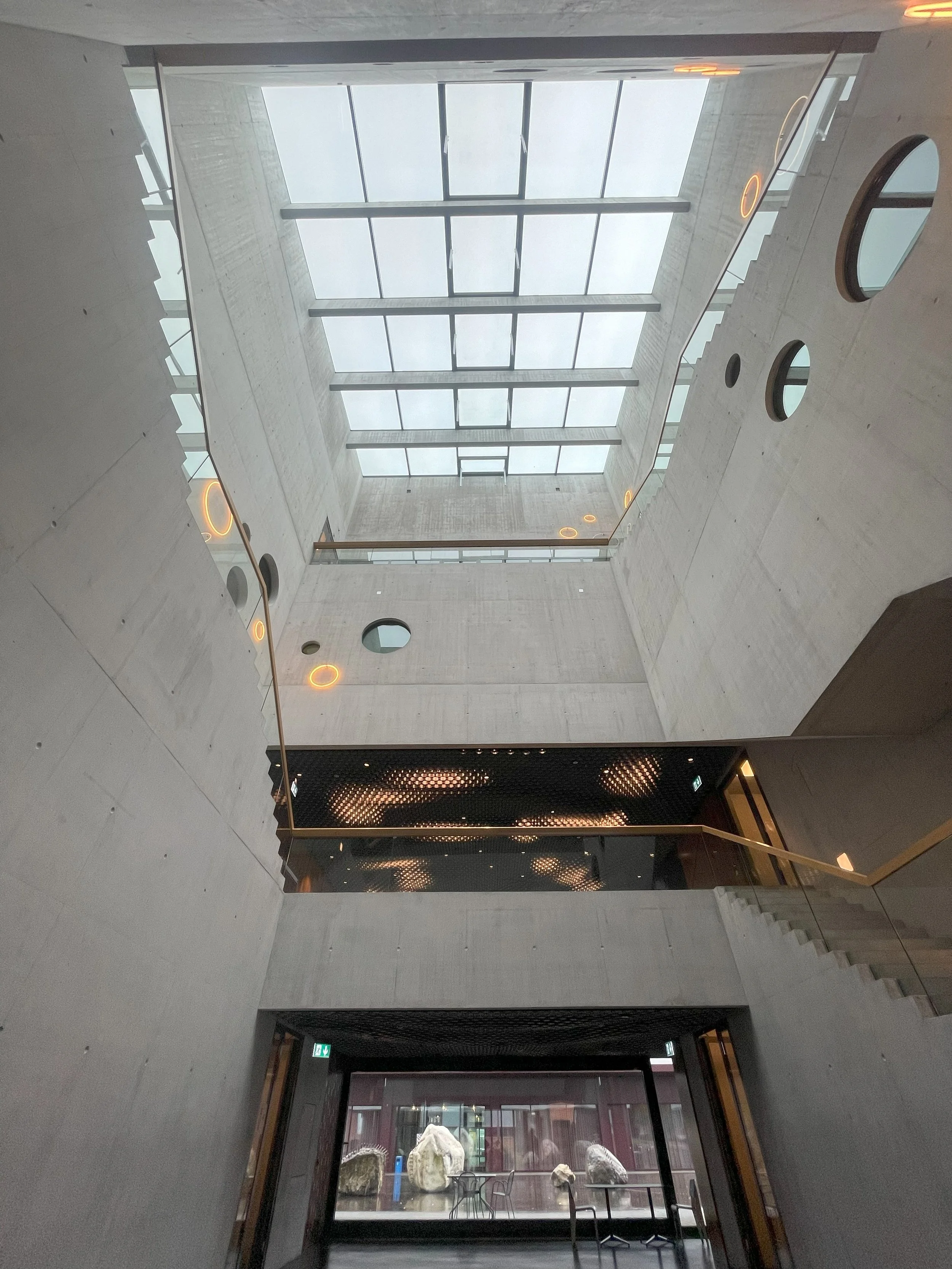
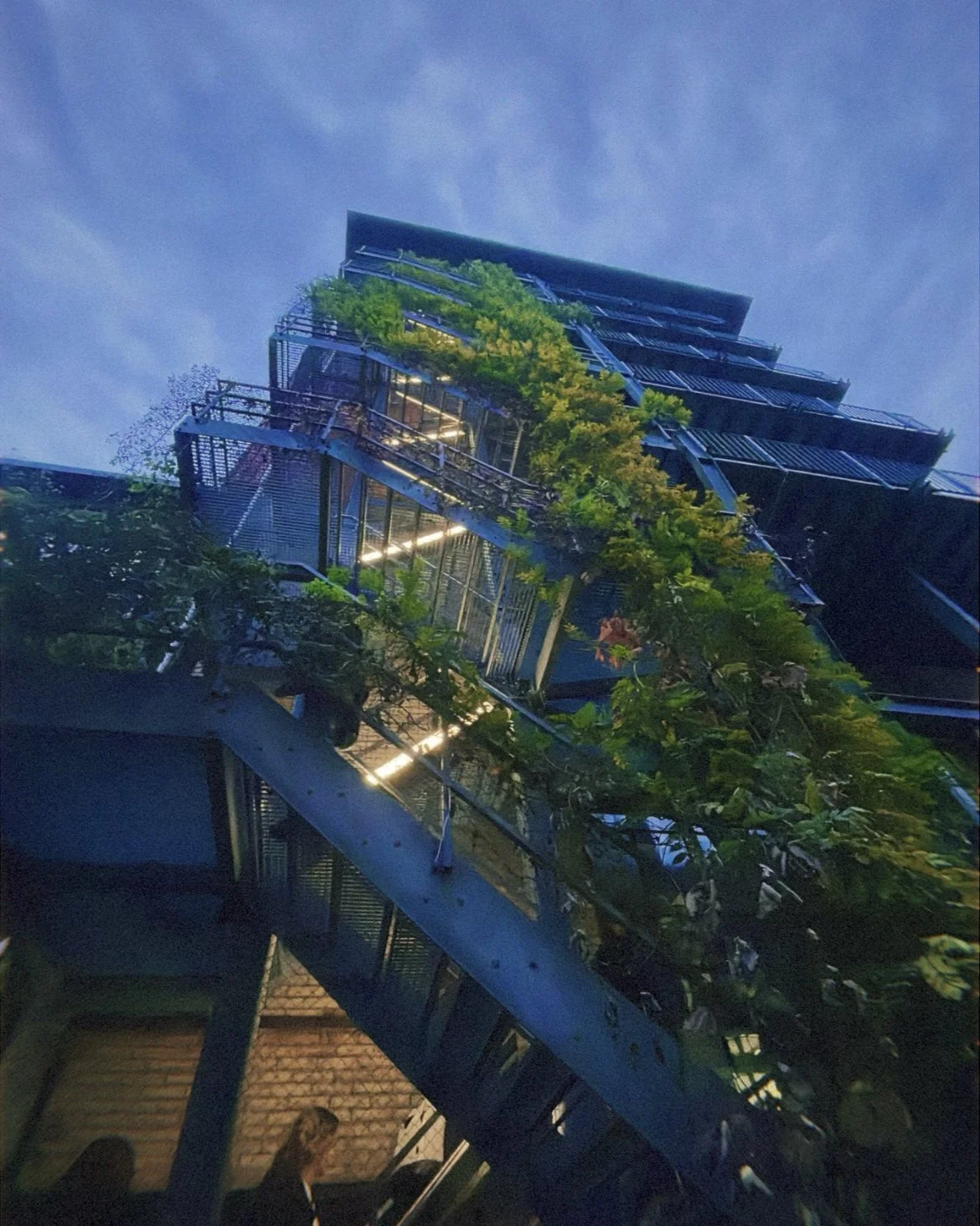
We began the day with a train to Winterthur to get a tour of K118. On the site of the former Sulzer factory, architects completed a vertical extension of an industrial building mainly from used building materials. provided a great tour. K118 pioneered the impressive amounts of reused materials it managed to incorporate, and also led to the creation of Zirkular, a spin-off company that focuses on advising architects and project owners who wish to do the same.
Thank you Benjamin Poignon and Baubüro in Situ for the amazing tour!
Some cool takeaways and stats:
"Circular economy is a planning problem"
Focus first on preserving what's already there
75 million tons of C&D waste generated annually in Switzerland
17 tons is just demolition
Developers must put metal polls on top of buildings scheduled for demolition showing the height of the new structure
When firms like Baubüro in Situ see such buildings, they contact the owners to try and salvage as much as possible
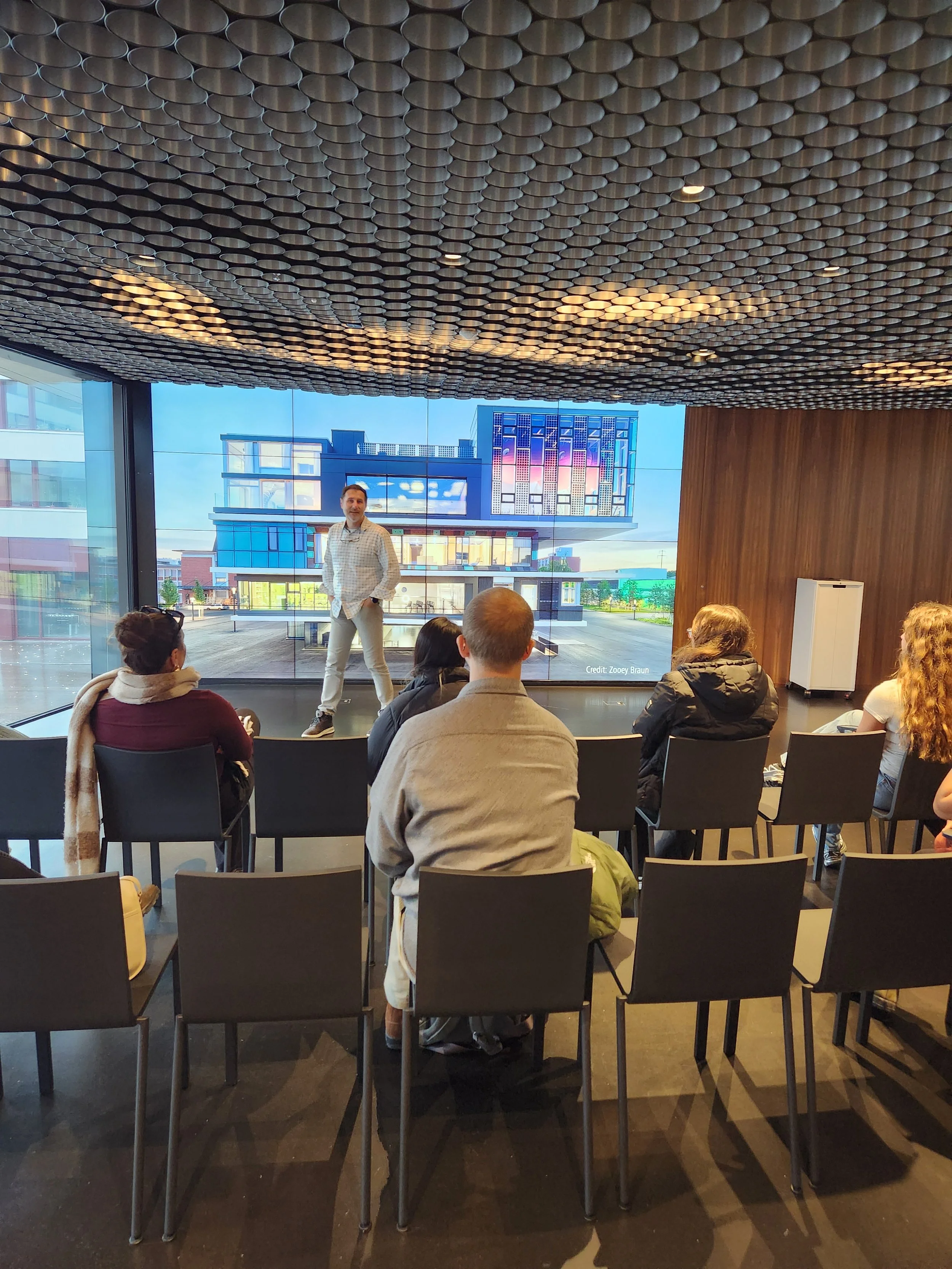
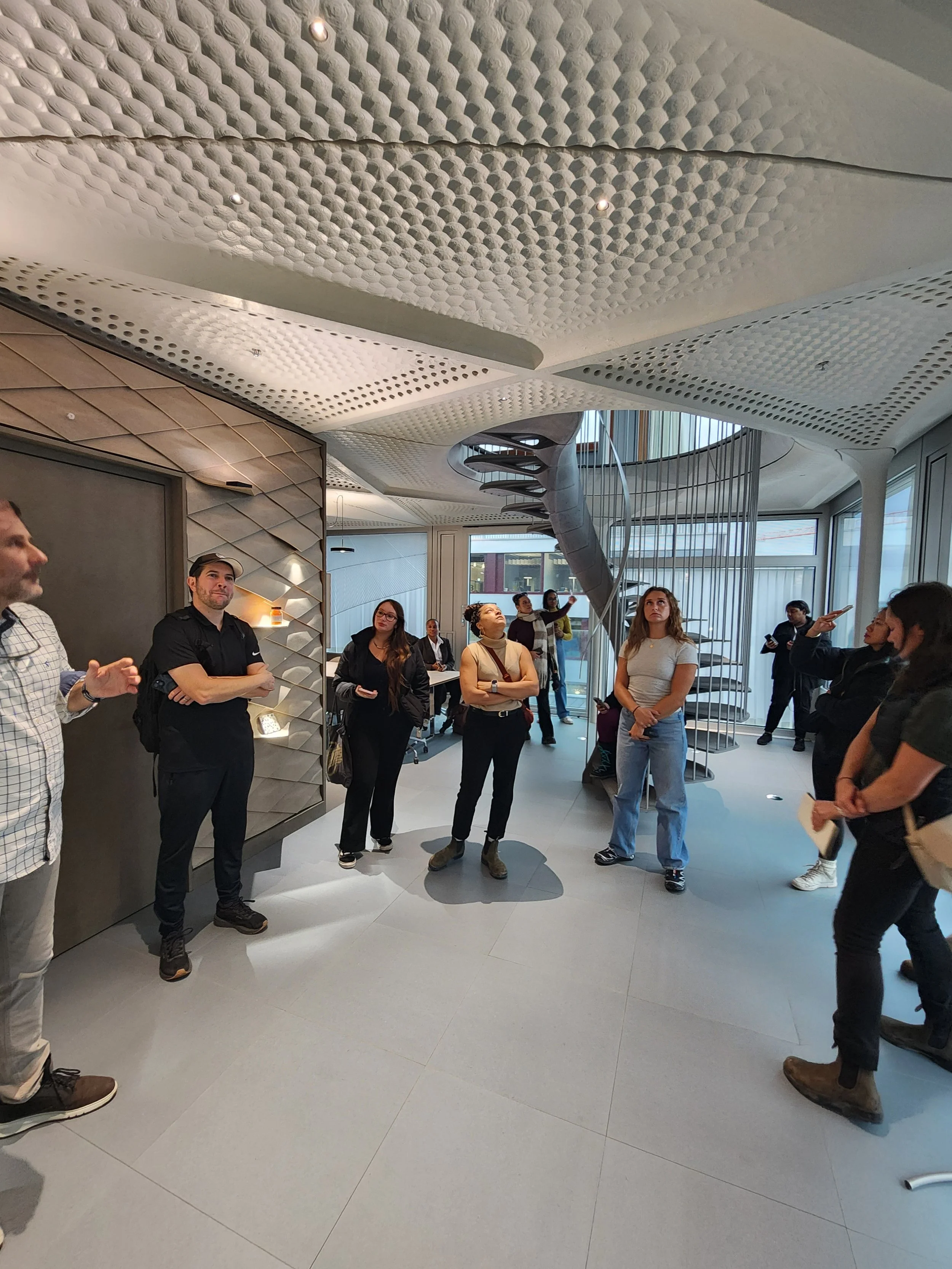
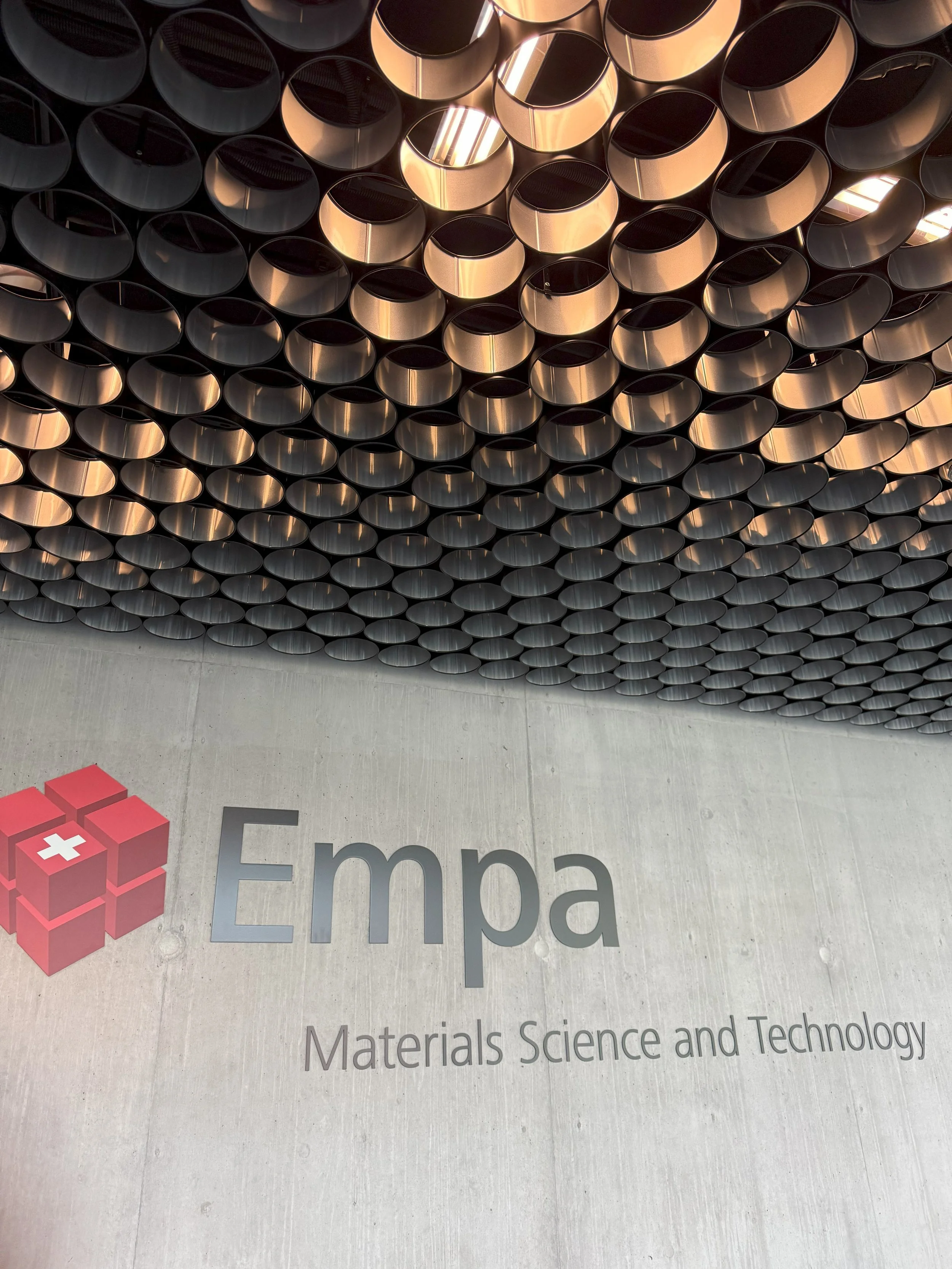
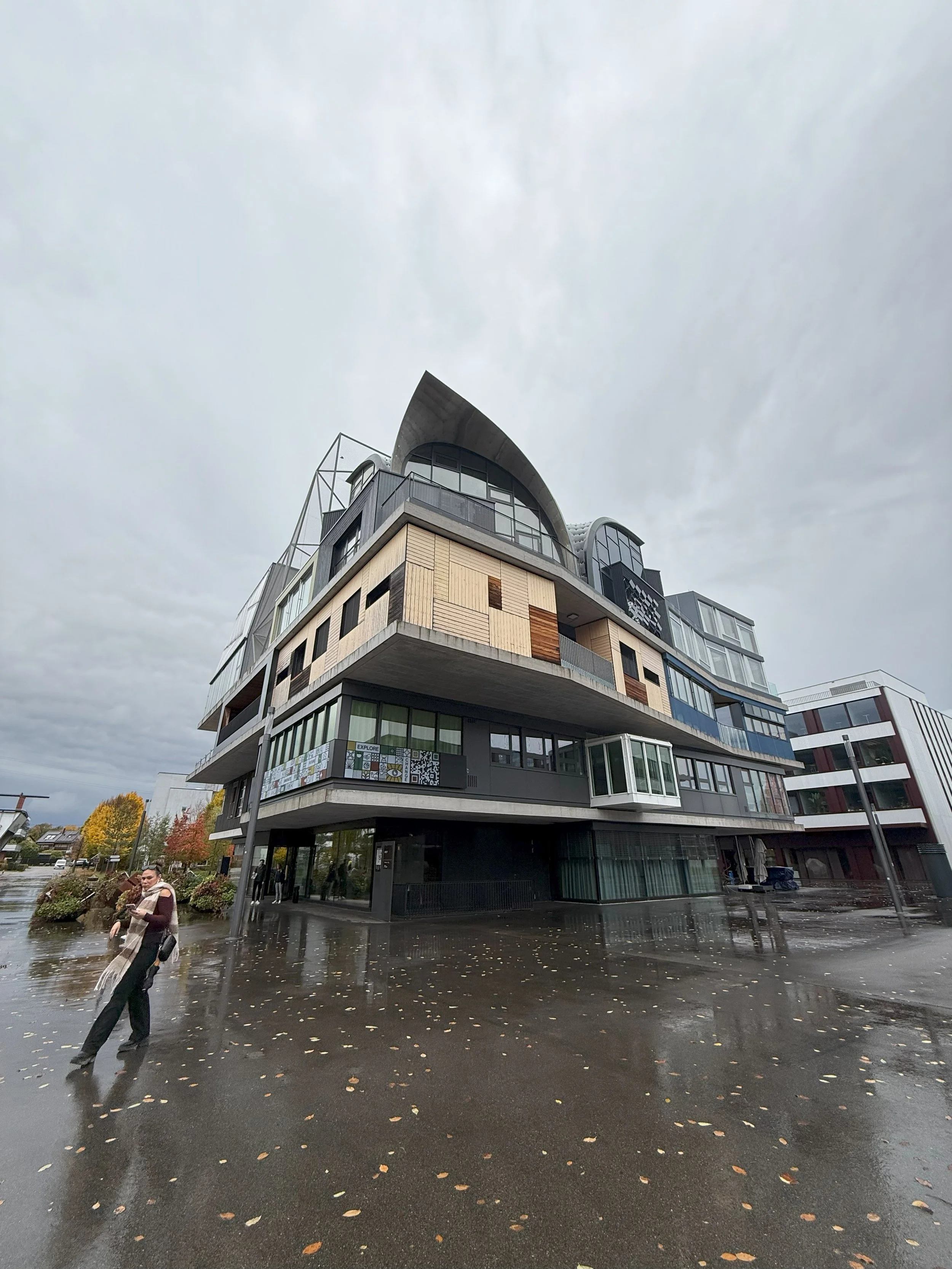
Next we jumped back on the train for a tour of NEST in Dubendorf. NEST (Next Evolution in Sustainable Building Technologies) is the world’s first modular research and innovation building aimed at accelerating the innovation process in the construction sector. NEST expedites the innovation process by providing a platform where new developments in the construction and energy sectors can be tested, tweaked, and demonstrated under realistic conditions.
Thank you Enrico Marchesi of Empa - Structural Engineering Research Laboratory for the inspiring tour.
Some takeaways:
Demonstrated that you can build with 50% circularity at the same price as 100% virgin
One project at EMPA has > 90% circularity, the highest in the world
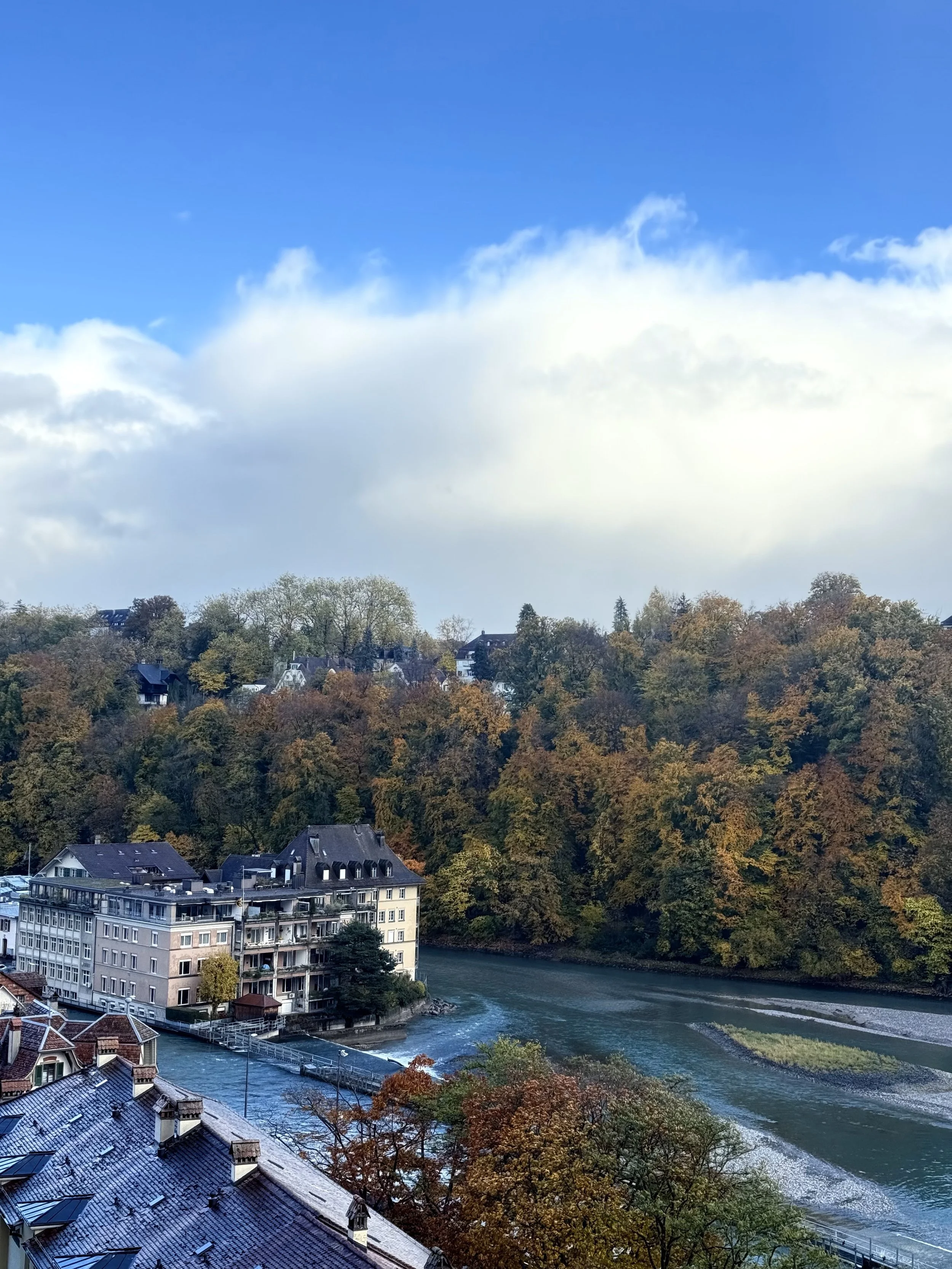
After scarfing down a quick lunch, we were back on the train headed for Bern for a presentation from Dr. Sebastian Friess, Head of Business Development & Innovation Agency at Amt für Wirtschaft Kanton Bern and Isabelle Berthold from Berne Economic Development Agency.
These were fascinating presentations about several general industries that the Kanton excels at: precision manufacturing, food, and machine/tool manufacturing. It's not just watches, but everything from ball bearings to bread dough machines for bakeries, 3D printing, etc. In several markets, local made products are the world leader (some almost have a monopoly).
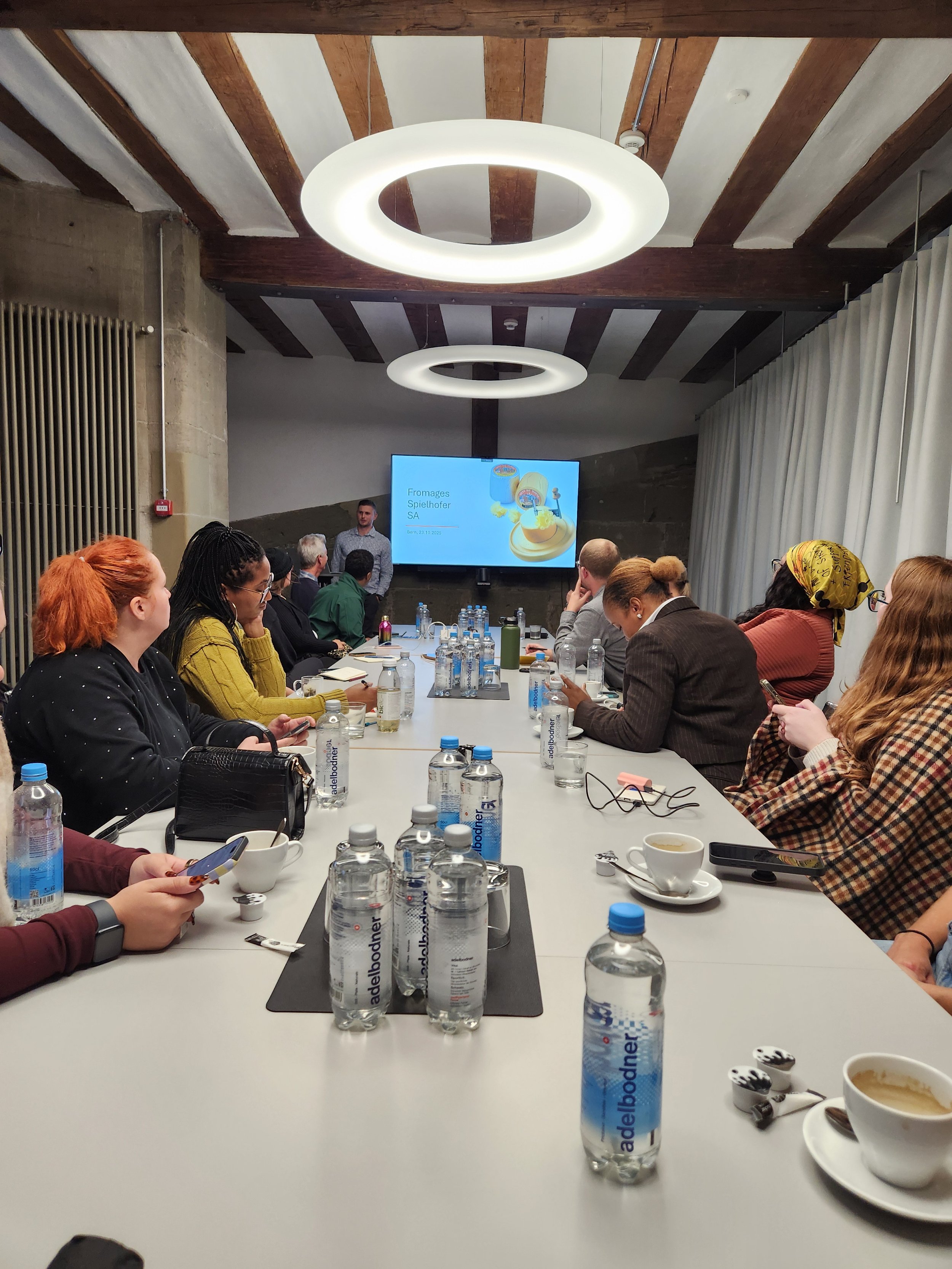
We also had a presentation from 3 local businesses utilizing circular economy practices, including a cheese manufacturer.
Thank you so much Amt für Wirtschaft Kanton Bern for the warm welcome!
After diner, we were back on the train headed for Lausanne to sleep.
We have a late start tomorrow. Everyone is tired. But hey, our delegation members expect to see as much as possible. We don't let them down.
Day 6 - Circularity in Lausanne and Viviculture in Lutry
The 6th day of our sustainability professional delegation to Switzerland was a time of nature. Yes. We know. The puns are getting worse.
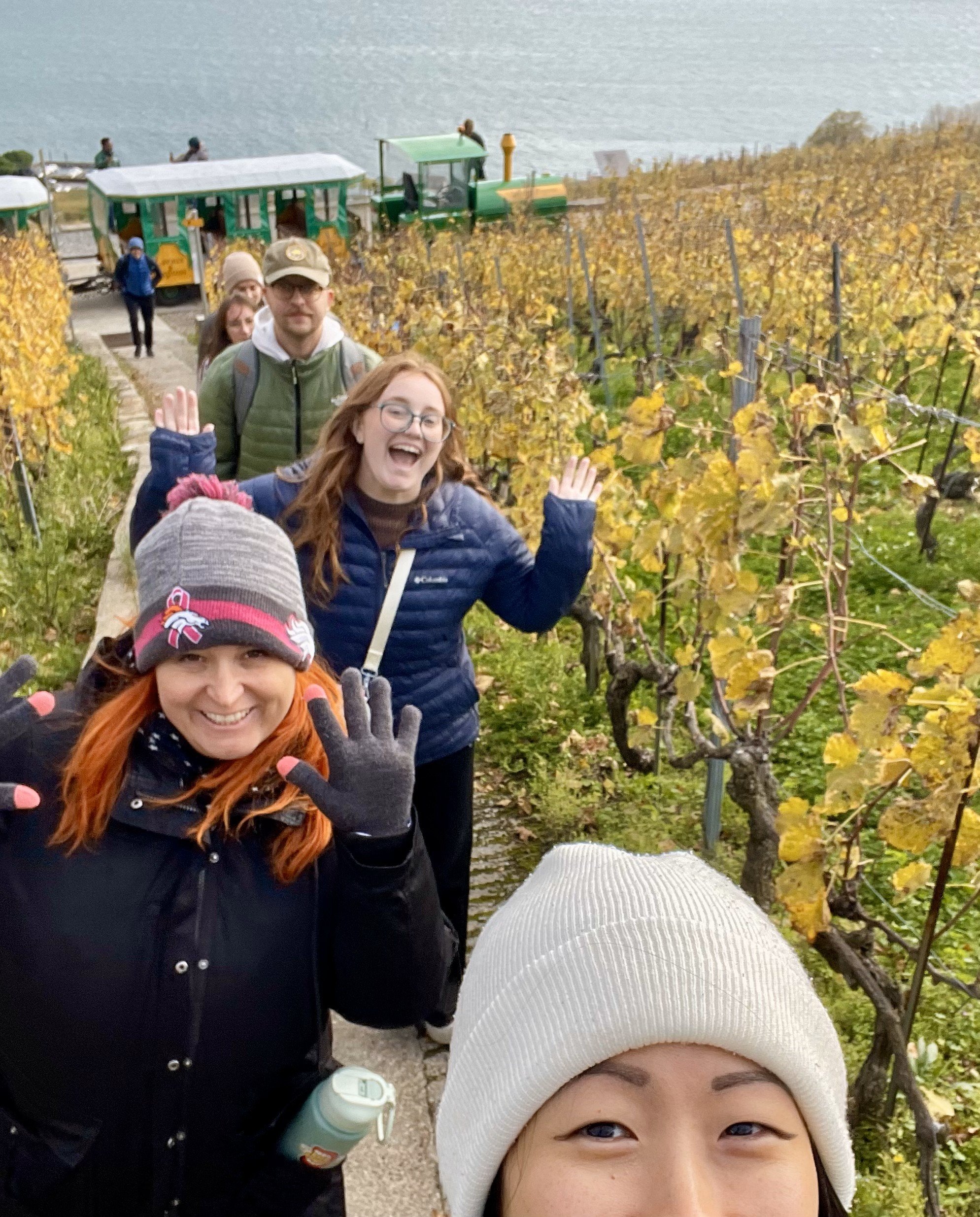
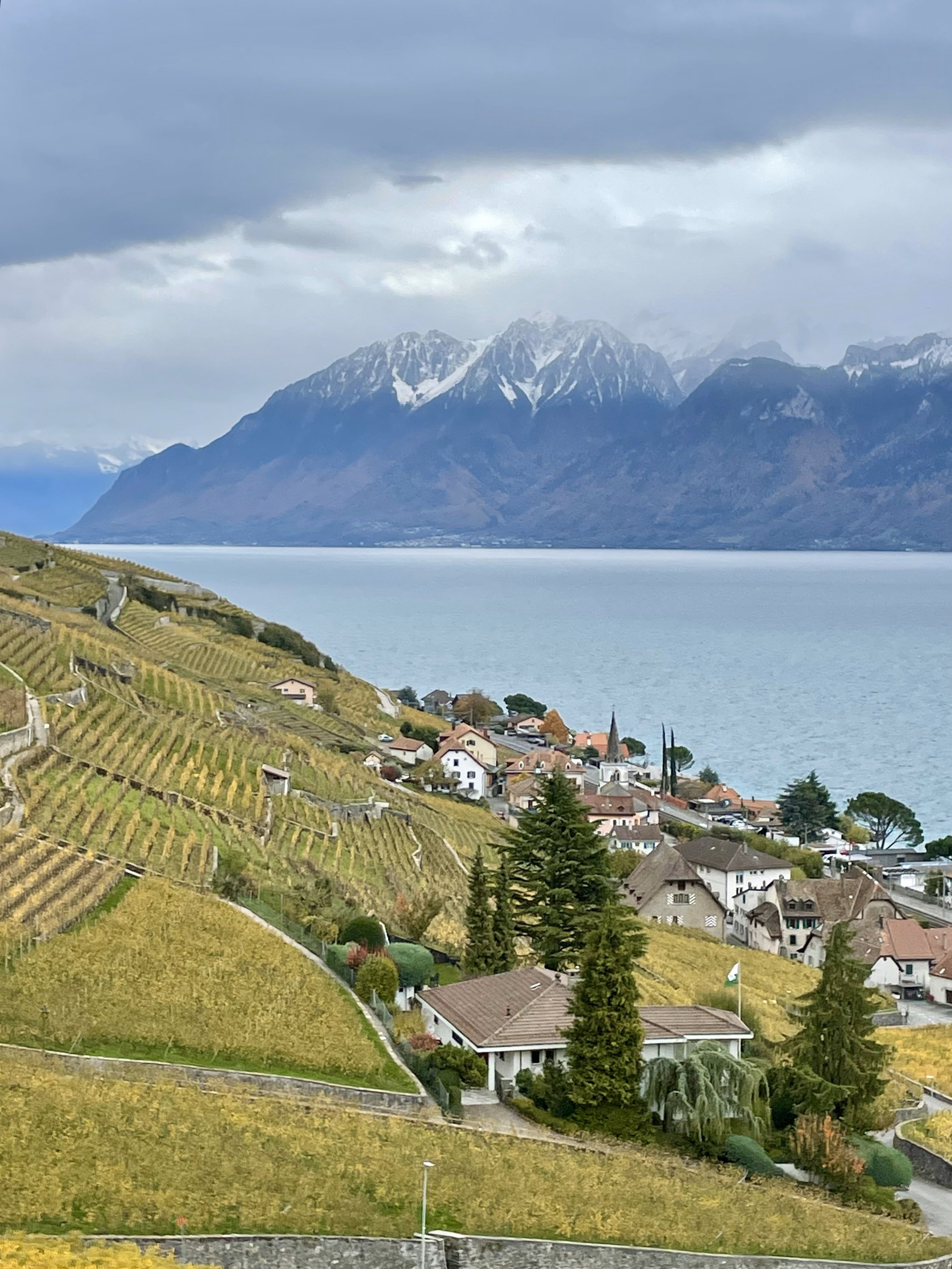
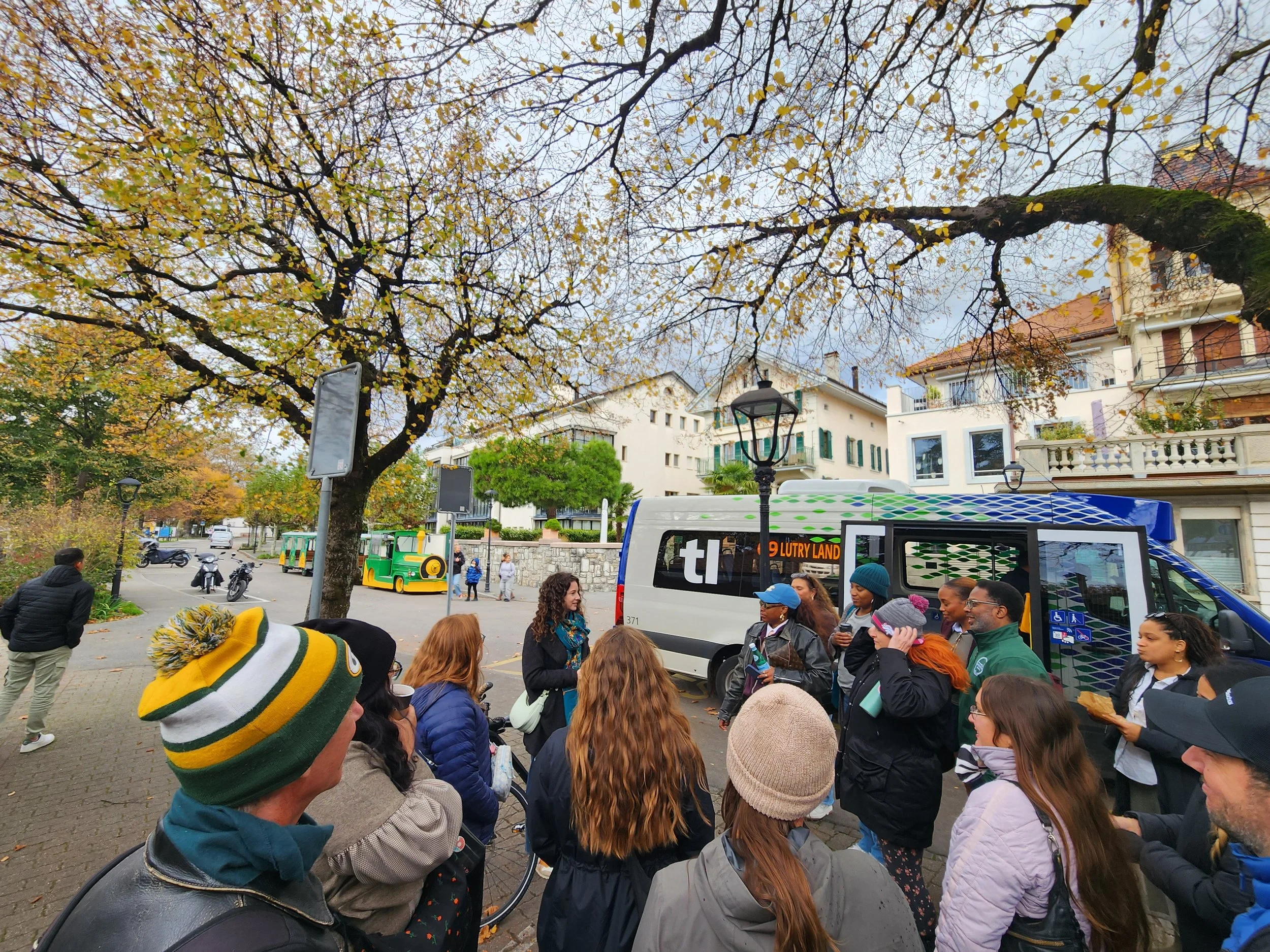
We spent half the day exploring viticulture in the countryside of Lutry, a short train ride from Lausanne. We had a fun experience riding a "train" through the vineyards and tasting some wine at a bio-dynamic vineyard. If you look closely in one of the photos, you'll see grapes hanging from the ceiling. They are preparing these grapes for a special wine.
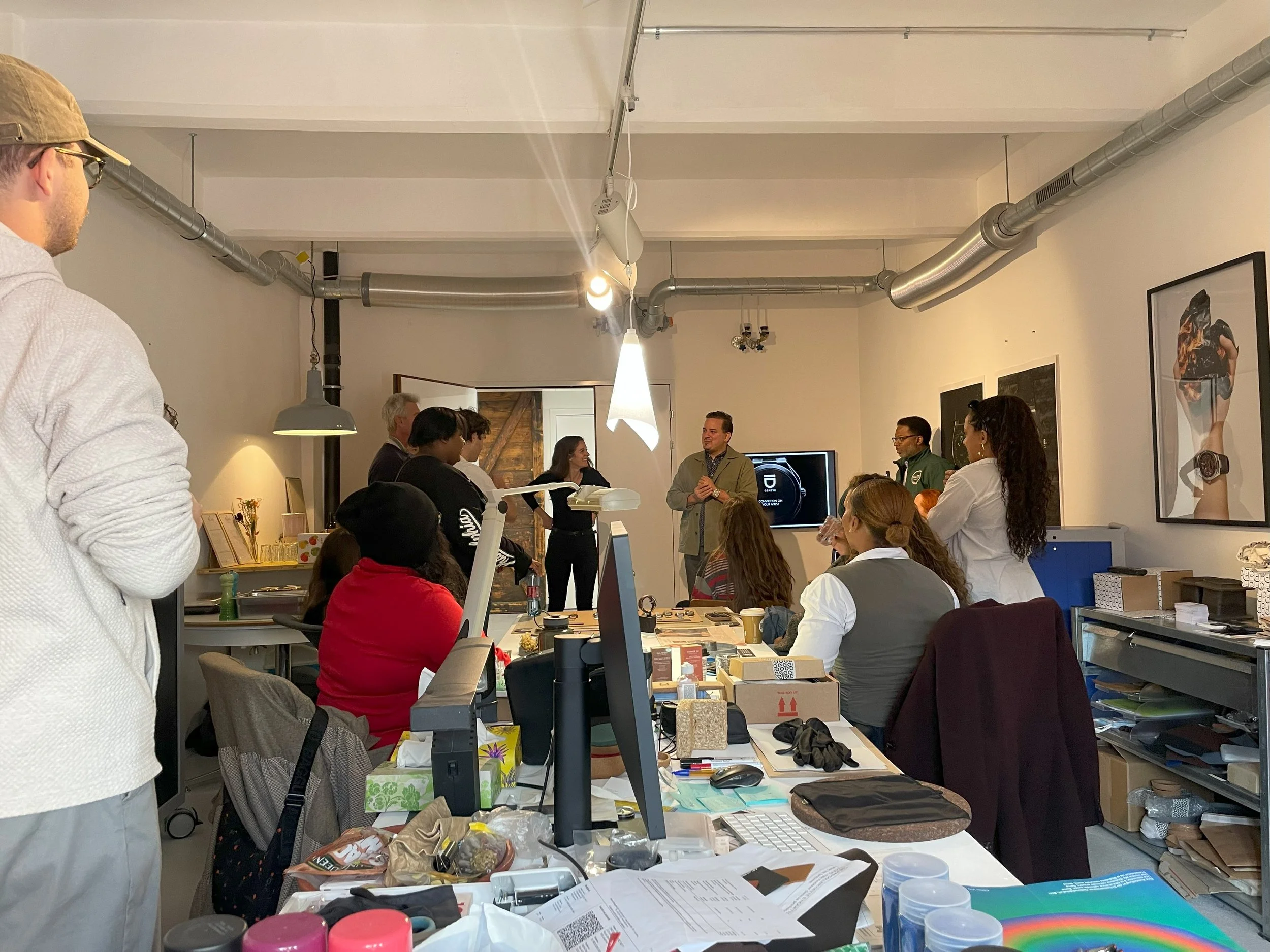
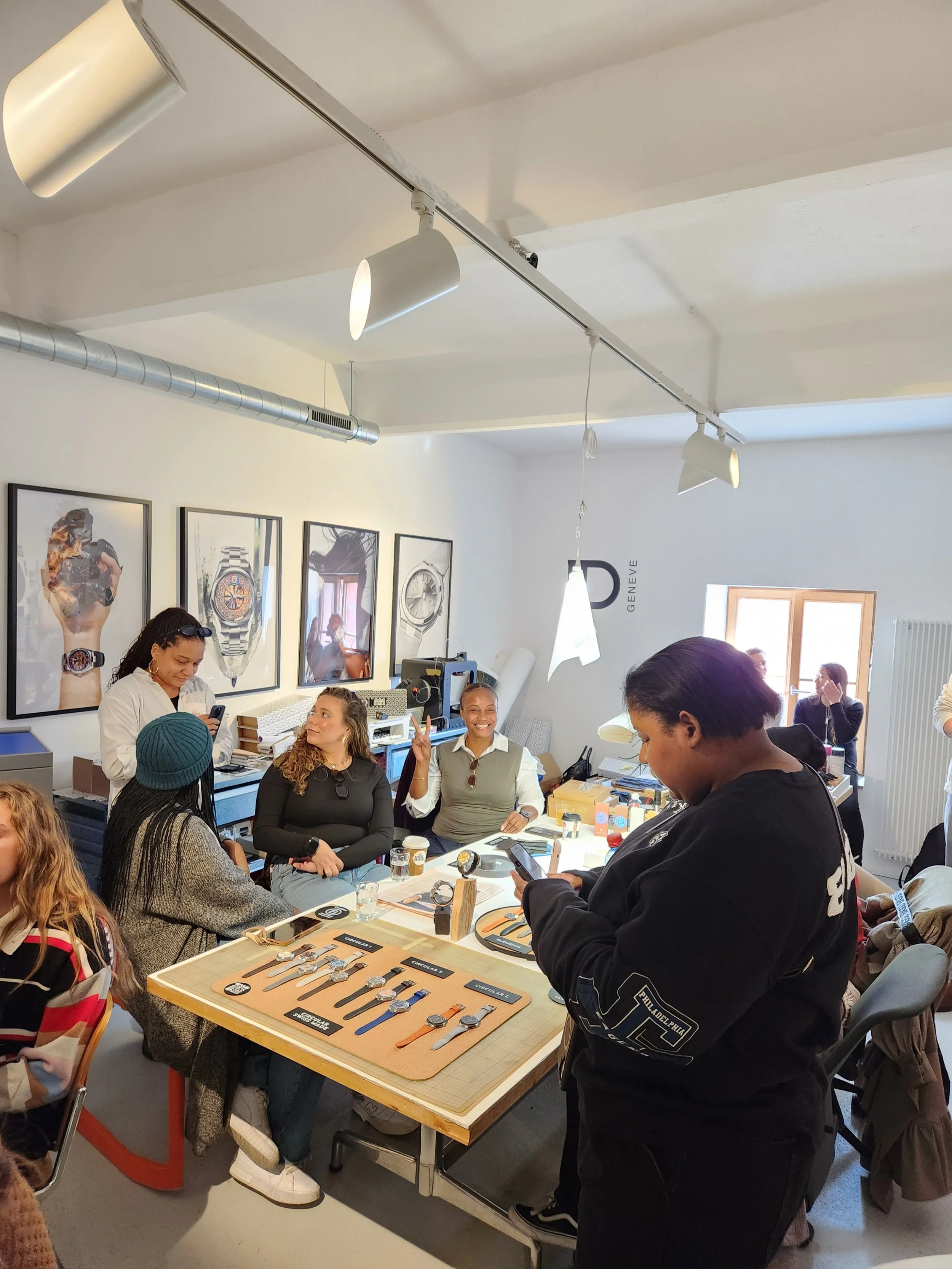
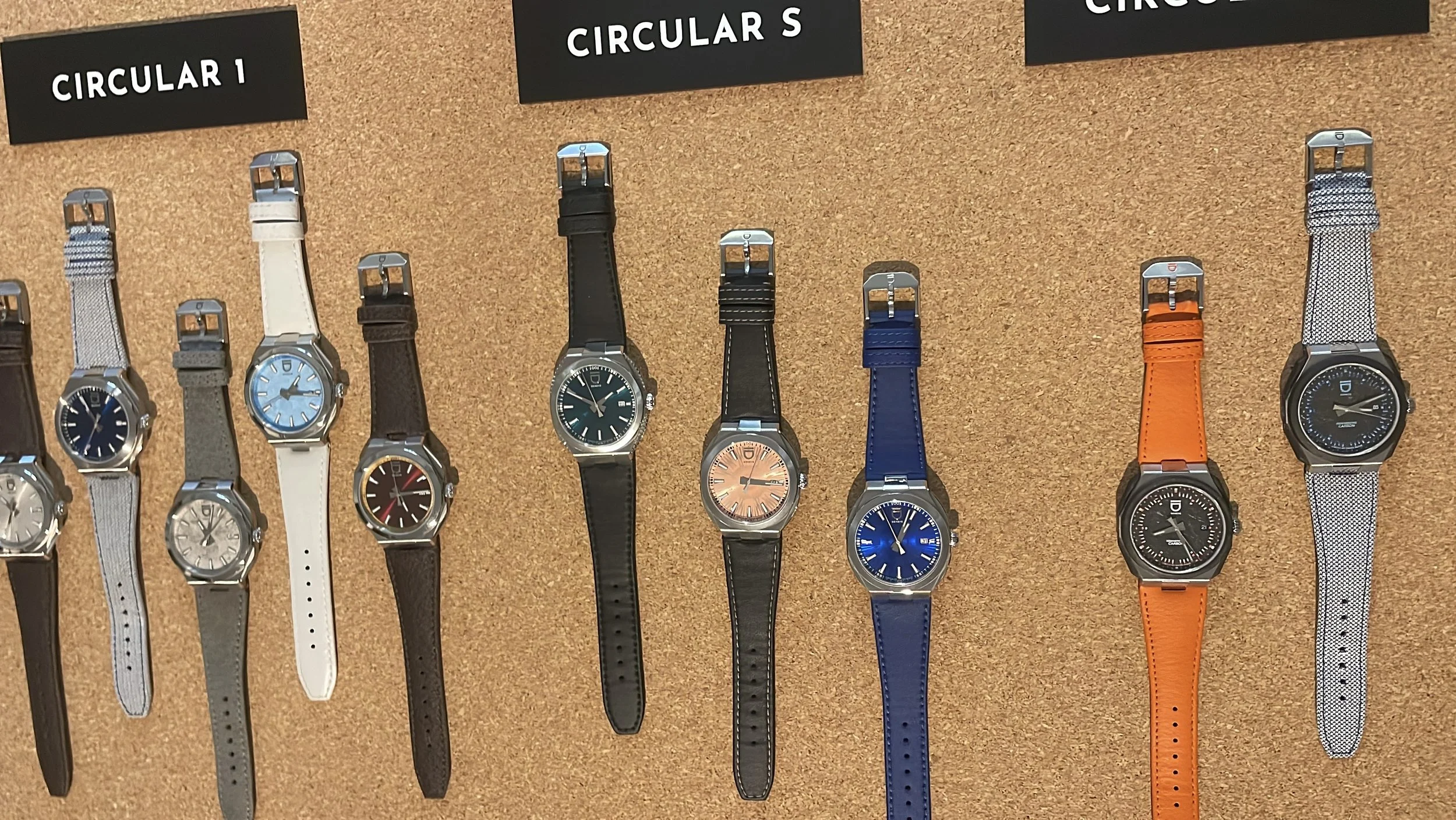
We also had an inspirational visit to ID Genève Watches showroom in Lausanne. Hence the pun about time. They are a world leader in manufacturing sustainable watches, including their Circular Collection and the first watches with healable materials. They are the first B Lab certified Swiss watchmaker. Their mission is to make circularity the norm across the watch manufacturing industry.
Thank you Nicolas Freudiger & Elodie Lombard for the warm welcome and the food!
They use nature based products, like orange peel, to produce straps with unique colors. They melt recycled steel with a solar oven. They utilize biomimicry with nanotechnology to create color without pigments. The list goes on. But, you get the idea. They've even caught the eye of Leonard DiCaprio who is now an investor. They one day would like to have Billy Eilish also onboard. So, reach out to them if you have a connection!
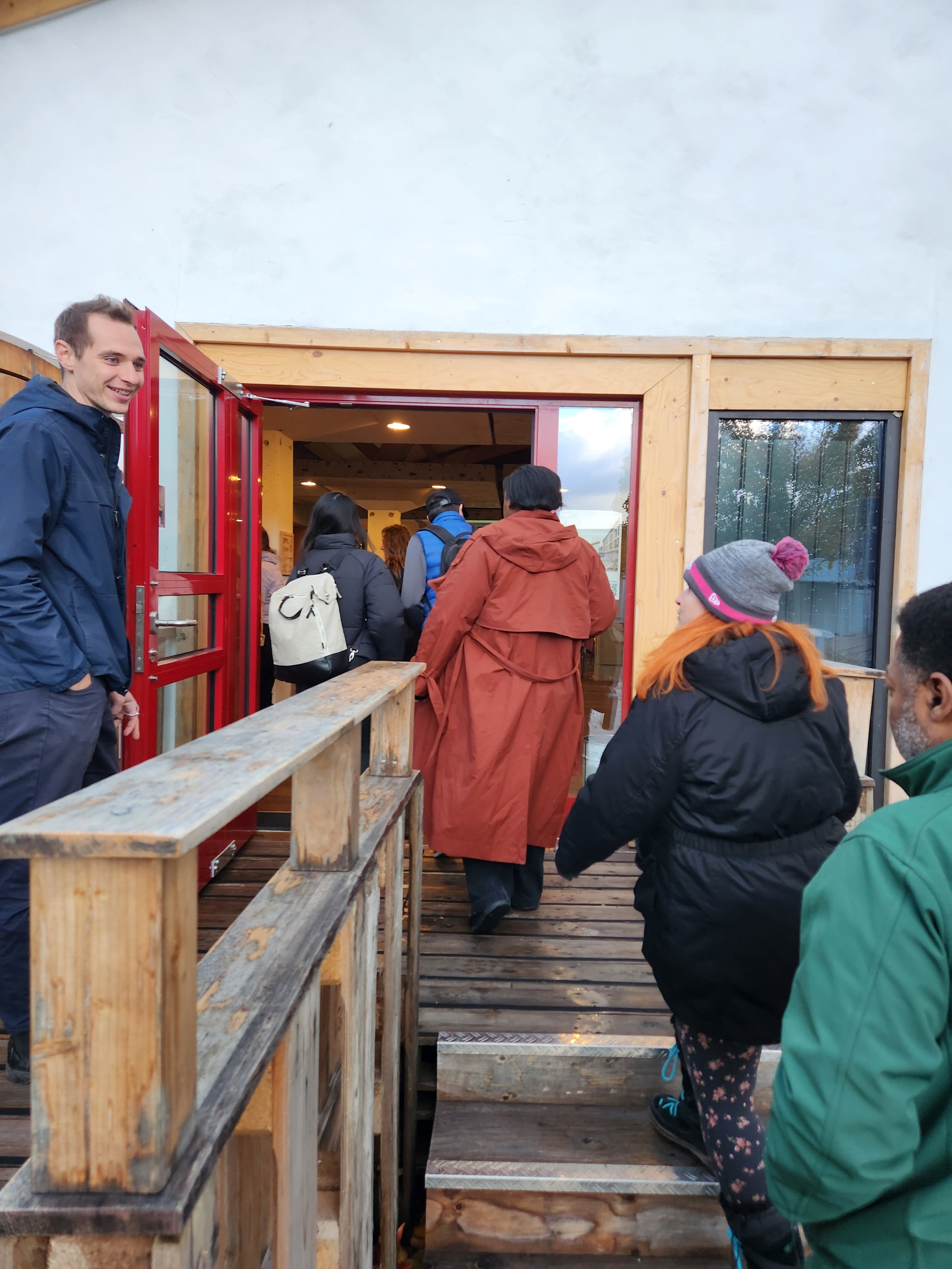
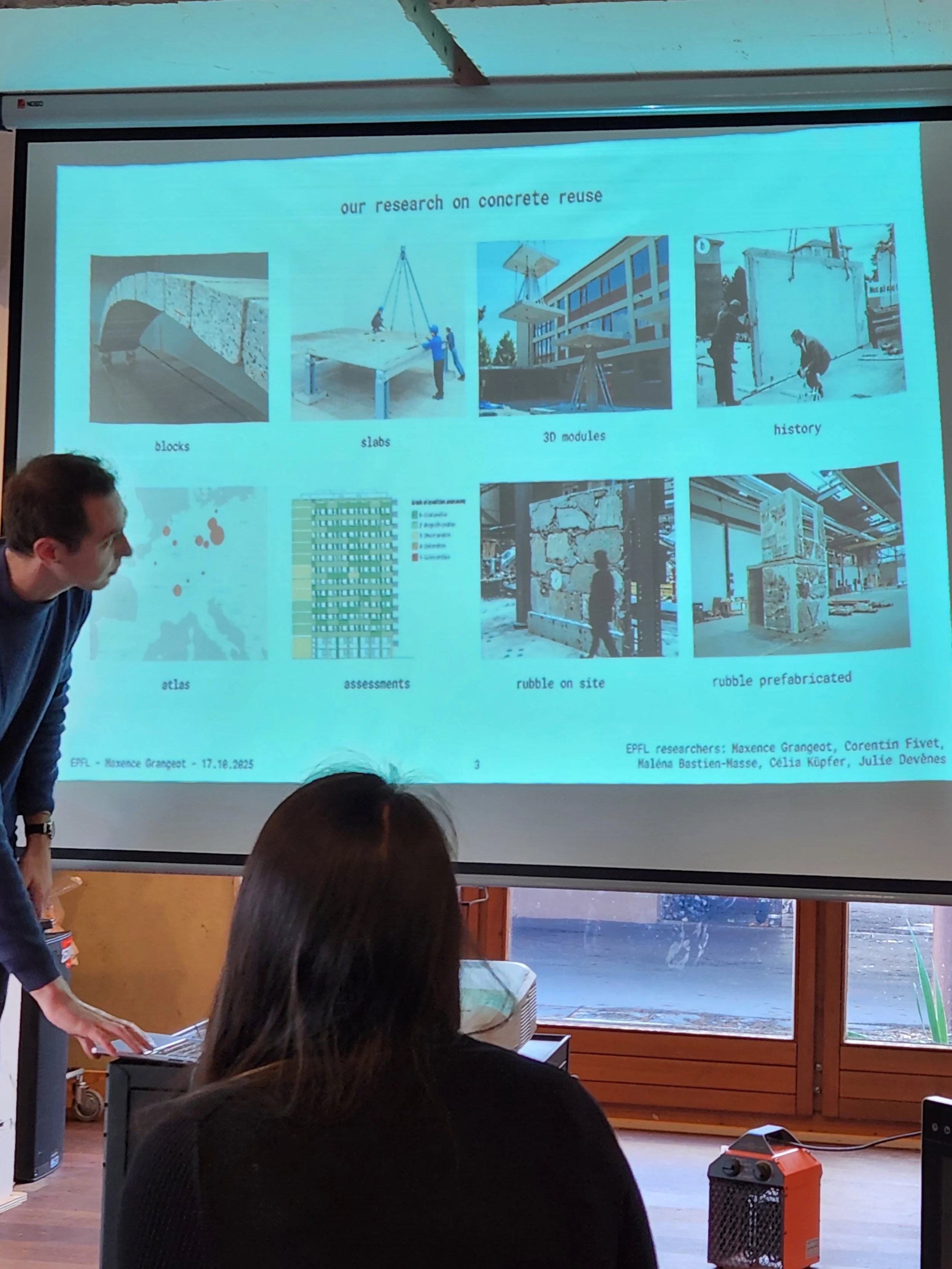
We began the day visiting the exciting Structural Xploration Lab, EPFL (SXL) at EPFL (Swiss Federal Technology Institute of Lausanne). Uniting architecture and structural design, SXL is paving the way for the upcycling reuse of load-bearing components in buildings. Maxence Grangeot provided a fascinating presentation about his concrete reuse work.
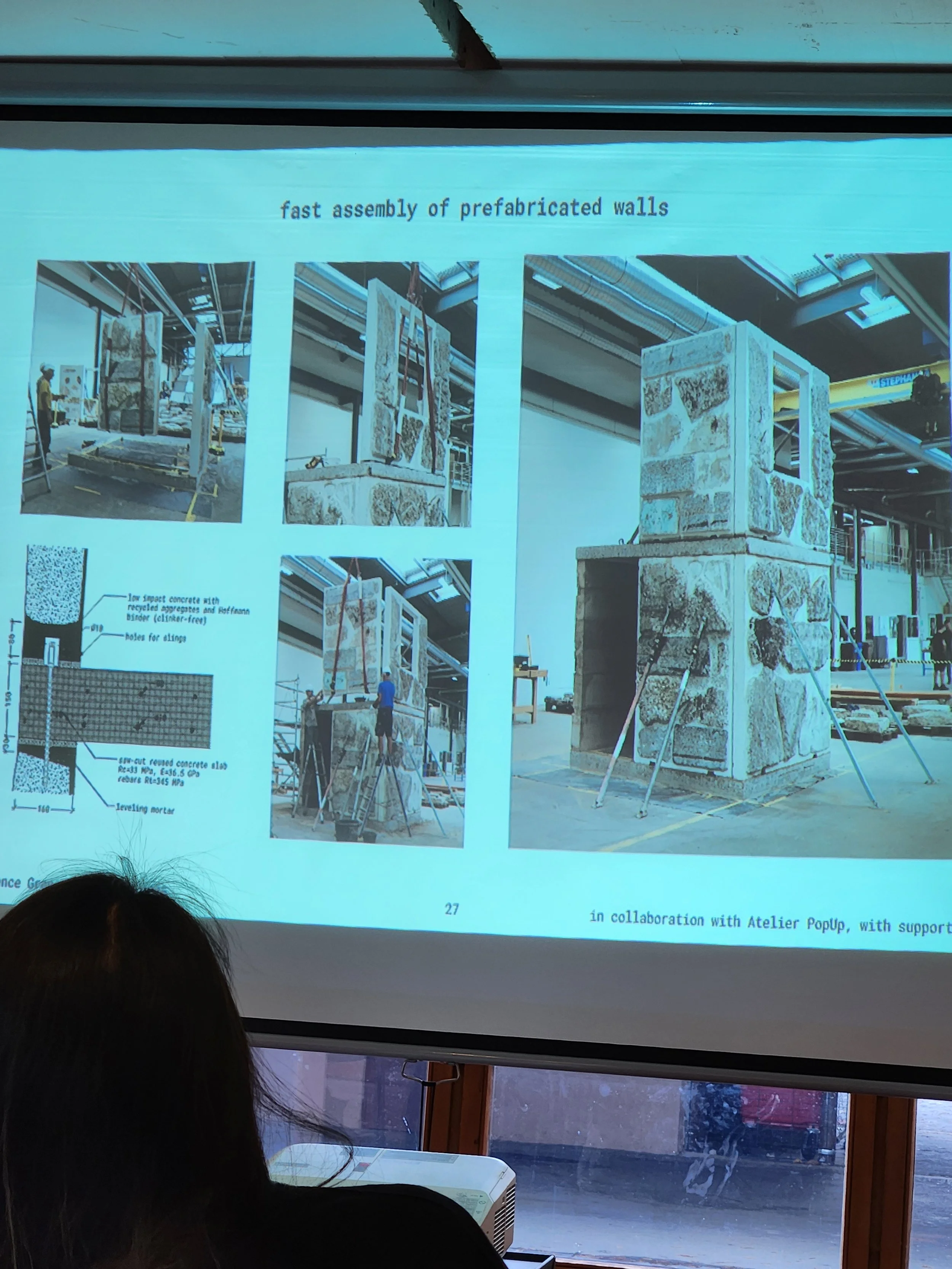
Two focus areas are cutting concrete slabs for reuse (see photos) and building walls/structures using rubble. Using rubble he's produced two techniques: horizontal prefabrication of walls and vertical in situ production (see photos). These techniques can reduce virgin use of concrete by 80% and still retain load-bearing strength to build well above 4 story structures.
Day 7 - Exploration in Lausanne
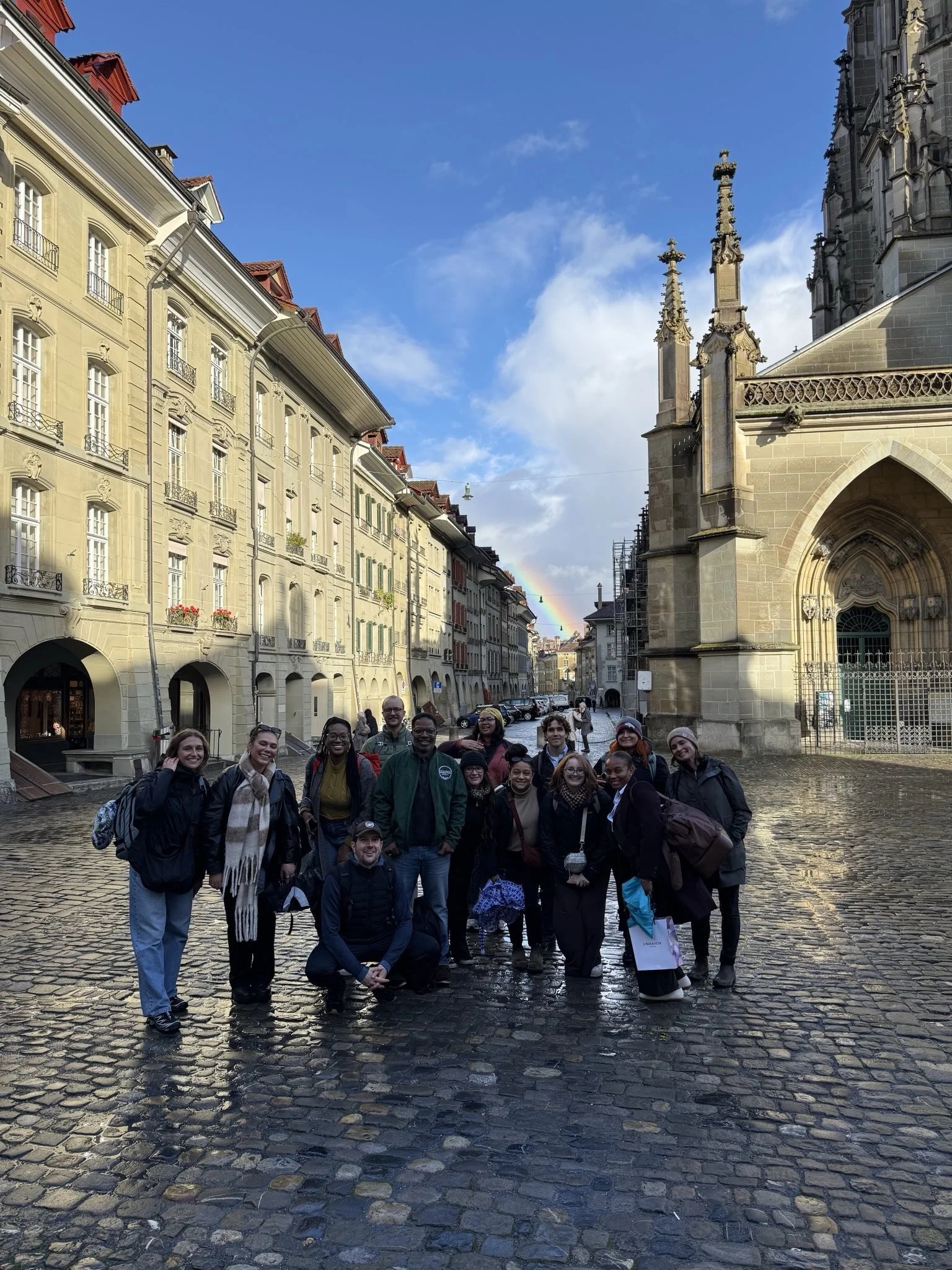
Our final full day in Lausanne was a free day to explore. Some delegation members took advantage of the good weather to travel to Geneva. Others visited local sites in the gorgeous city of Lausanne. This was also bit of a rest day for many. The delegation was very intense, and many members needed a break before getting on their flights home the next day. Plus, some people needed to shop for some gifts for loved ones.
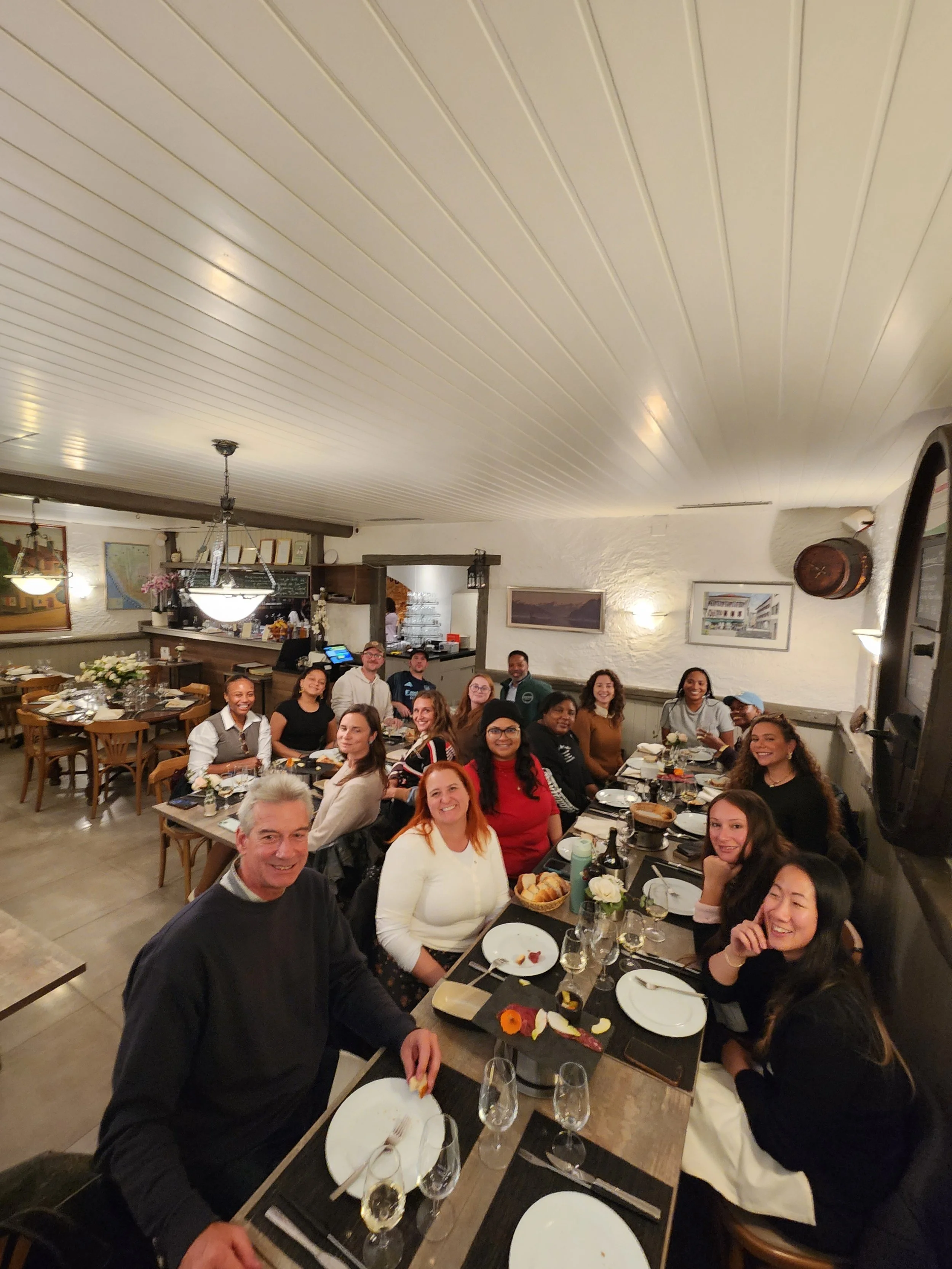
We ended as we always do, with a quality dinner. We dined right on the lake. It’s always sad to say goodbye after such an intense week making new friends. But, the delegation members refused to let it end here. Right now, many are working on our first ever whitepaper to be released later this year. What began as a way to codify learnings into takeaways for other professionals has evolved into a meta-analysis of all our past delegations.
Sign up to our newsletter to be the first to read the whitepaper!!!
About Sustainability Delegations
Circular San Antonio’s Sustainability Delegations offer an opportunity for sustainability professionals to participate in immersive experiences in European cities that are focused on shaping greener, more sustainable urban environments. Open to professionals from all US states and territories, delegation trips cultivate transdisciplinary relationships with peers across the United States that represent geographic, cultural, and professional diversity. Our curated tours allow participants to engage with their counterparts in Europe, establishing transatlantic connections and relationships that can support collaborative efforts on both sides of the Atlantic — an imperative more important now than ever.
We are now accepting applications for our first delegation to Munich in June 2026! Apply now to secure your spot.