




Full Circle Summit: Agenda
February 12-13, 2026
Trinity University, Chapman Center Great Hall
San Antonio, Texas
Browse our Agenda
Read through our outstanding lineup of sessions that focus on our Summit themes: Buildings & Cities, Communities & Systems, and Economics & Innovation.
Sessions: 8:00am - 2:30pm
Offsite Tours: 3:00pm - 5:00pm
Happy Hour: 5:30pm - 7:30pm
Thursday, February 12
Sessions: 8:00am - 2:30pm
Industry Roundtables: 3:00pm - 4:30pm
Restored By Light (optional): 5:00pm - 8:00pm
Friday, February 13
8:00am - 9:00am: Registration, breakfast, and block printing with Tinta Printing (through lunch)
9:00am - 10:00am: Opening Keynote: Jo-Anne St. Godard, CEO at Circular Innovation Council of Canada (CIC)
The Circular Innovation Council of Canada (CIC) is a national charity that believes shifting production and consumption in a circular economy simultaneously supports environmental, economic, and social outcomes. Through efforts like the Circular Opportunity Innovation Launch Pad (COIL), CIC’s work supports collaboration, innovation, policy, and education, which are all enablers of the circular economy.
CEO Jo-Anne Godard will highlight the enormous opportunity the circular economy presents globally, anchoring her vision with on-the-ground examples from the CIC’s work in Canada, from food to construction to technology.
An engaging panel will follow to anchor the rest of the Summit, featuring Cory Ames (bigcitysmalltown), Christopher Moken (Circular San Antonio), Laura Patino (City of San Antonio Department of Resilience & Sustainability), and Richard Fetchick (greater:SATX).
Thursday, February 12
8:00am - 7:00pm CT
Trinity University Chapman Center Great Hall
10:00am - 10:30am: Break
10:30am - 11:30am: Building Resilience: Plenary featuring Kelly Alvarez Doran, Founder at Ha/f Climate Design
Where does a building actually come from? This engaging plenary will showcase how sourcing local and focusing on circularity across multiple areas — materials, labor, culture, art, etc — helps build better buildings and is the foundation of a truly resilient city. Kelly Alvarez Dornan will discuss his own experience as an architect working across multiple continents, detailing how prioritizing the unique materials, building knowledge, and culture of individual communities helps improve environmental, social, and economic outcomes. He offers an inspiring outlook on the future of design and construction — and the challenging but exciting road it will take to get there, together.
A moderated panel with Stephanie Phillips (City of San Antonio) and Jenny Hay (Power of Preservation Foundation / Climate Heritage Network) will follow.
11:30am - 12:30pm: Lunch
12:30pm - 1:30pm: Concurrent Breakout Sessions
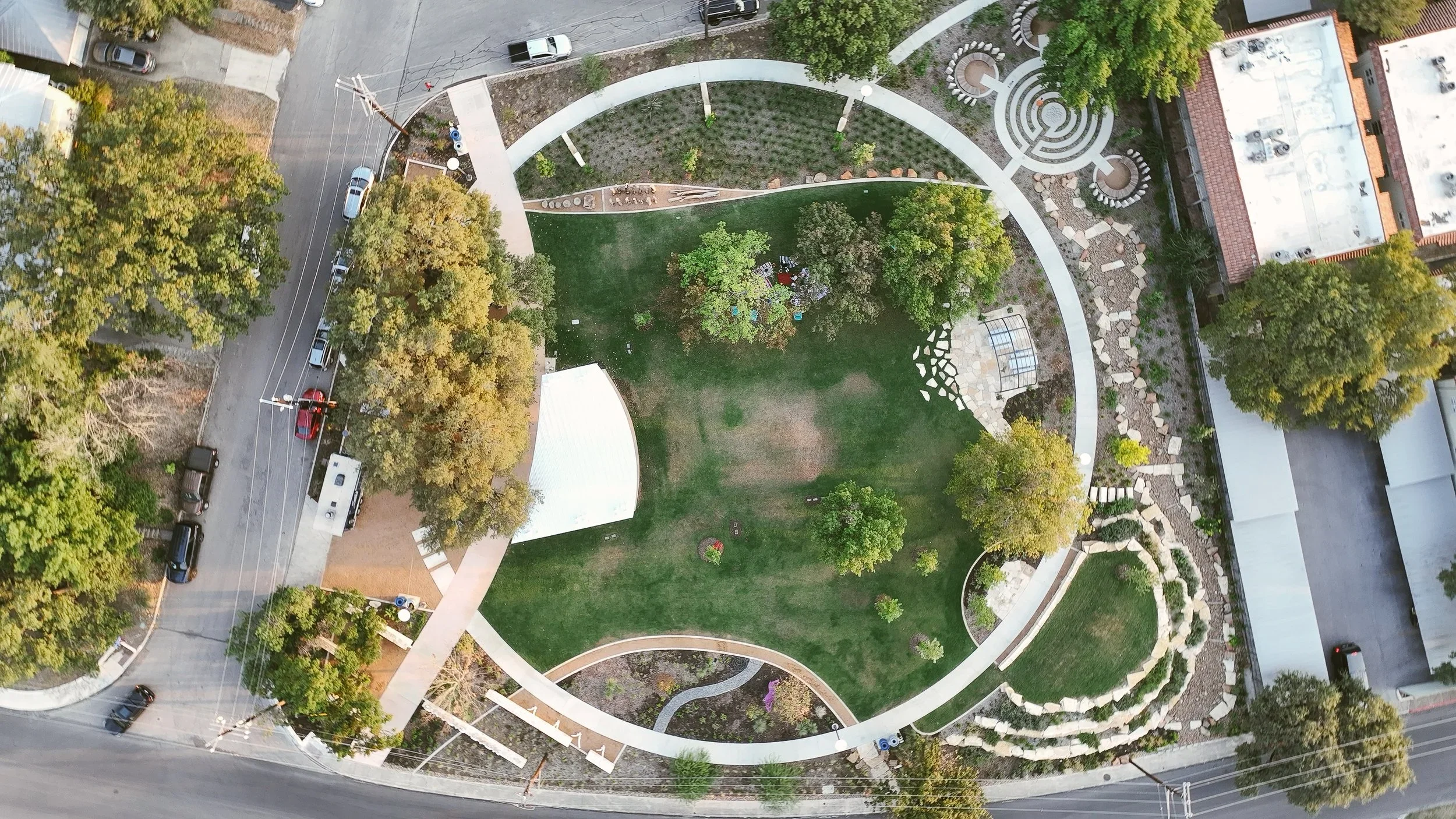
Session 1A: Charis Park as a Circular Neighborhood Commons: From Asphalt Parking Lot to Living System
Speakers: Kaidan Nguyen, Coral Studio; Sarah Clavieres, Sunset Ridge Farmers Market; Taylor Bates, Sunset Ridge Collective; Sarah Woolsey, The Impact Guild
What happens when a church parking lot is reimagined as a circular, community-serving park? In this session, Sunset Ridge Collective & Coral Studio landscape architects will share how an underutilized expanse of asphalt in San Antonio was transformed into Charis Park, a neighborhood green space designed as a living example of circular economy principles in the built environment.
Session 1B: Designing for Circular Impact in the Built Environment
Speakers: Marcus Hopper, Gensler; Natalie Hugentobler, Gensler; Ryan Marchesi, Gensler; Michael Britt, Lake Flato
When linear approaches are standard practice in the built environment, what does circular design look like? Learn about several examples that reveal the challenges and opportunities of implementing circular principles, including a story about a 16-acre site in Comal (40 minutes away from San Antonio) that was once capped with concrete and covered with warehouses, but was largely returned to its natural state by restoring habitat and reusing much of the existing materials on site. Panelists will translate these lessons into broader scalable design approaches for businesses and communities alike.
1:30pm - 1:45pm: Break
1:45pm - 2:45pm: Concurrent Breakout Sessions
Session 2A: Circularity in the Airport Environment
Speaker: Dr. James Wood, Dallas Fort Worth International Airport
Dallas Fort Worth International Airport is considered one of the most innovative airports in the sustainability sphere. From energy resiliency and alternative fuels to their award-winning terminal composting program, DFW is setting the tone for institutional innovation and positive environmental change in North Texas. This session will give an overview of DFW’s waste and circular economy initiatives, and illustrate how these programs have yielded both lasting environmental benefits and increased resilience.
Session 2B: Creating Research-to-Market Pipelines for Circular Science
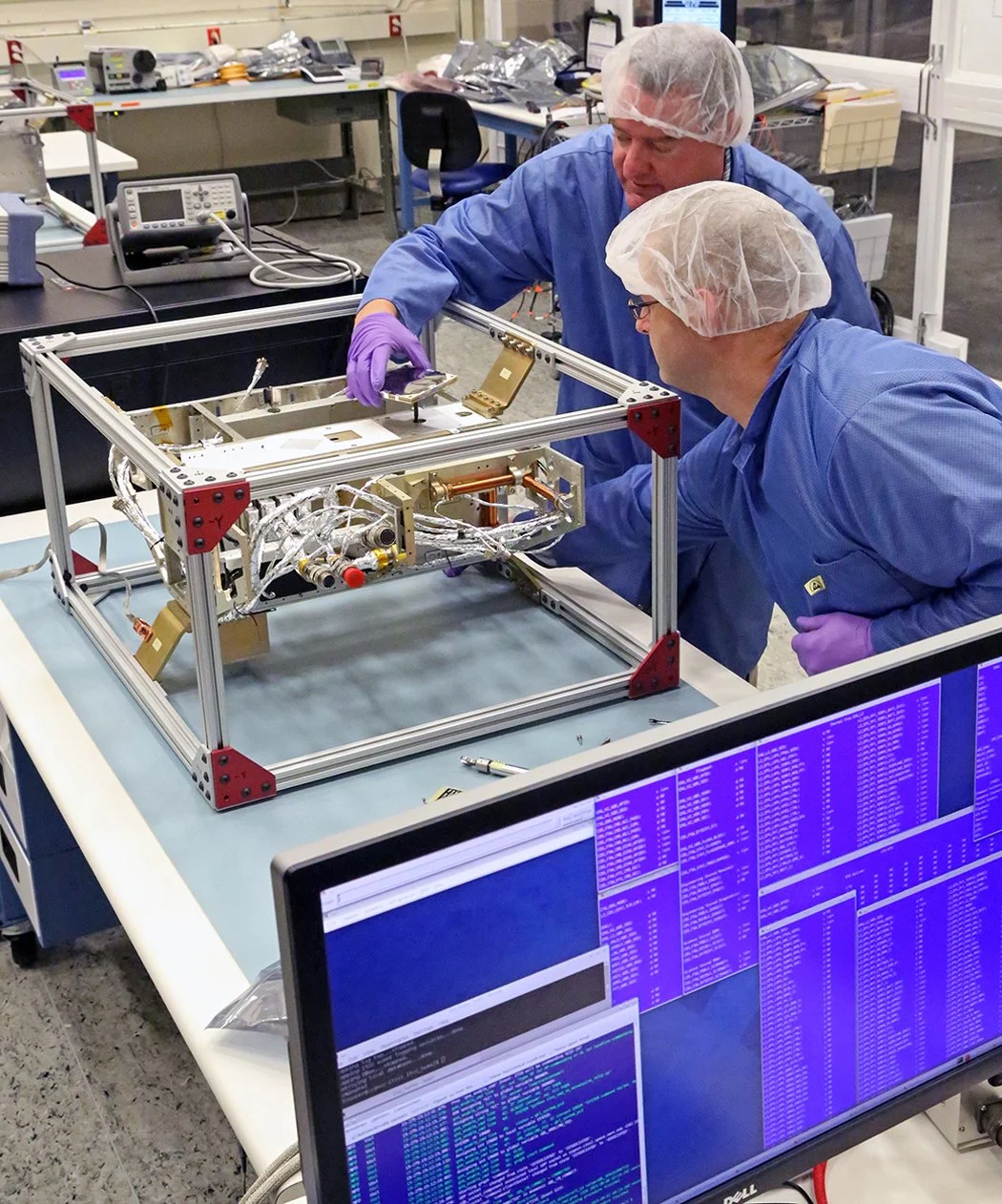
Speakers: Shawn Blumberg, Andrew Earls, and Tristan Adamson, Southwest Research Institute (SWRI)
How can we address our reuse and recycling problem from a chemical transformation and process design perspective? This session, guided by researchers from the Southwest Research Institute, will discuss the role a regional research ecosystem plays in tackling circularity. With an expert panel representing various target sectors, including synthetic textiles and automotive applications, we will explore the innovation opportunities that lie within these problem spaces. Panelists will discuss the current challenges faced in these sectors, identifying key areas where innovative approaches can lead to enhanced efficiencies and reduced environmental impact. The conversation will also delve into the types of investments needed to advance these innovations, focusing on how collaboration among stakeholders can drive successful outcomes.
2:45pm - 3:00pm: Break and load onto tour buses
3:00pm - 5:00pm: Concurrent Off-Site Tours
Tour A: Pullman Market Circular Food Ecosystem
Tour Guide: Kevin Fink, Emmer & Rye Hospitality
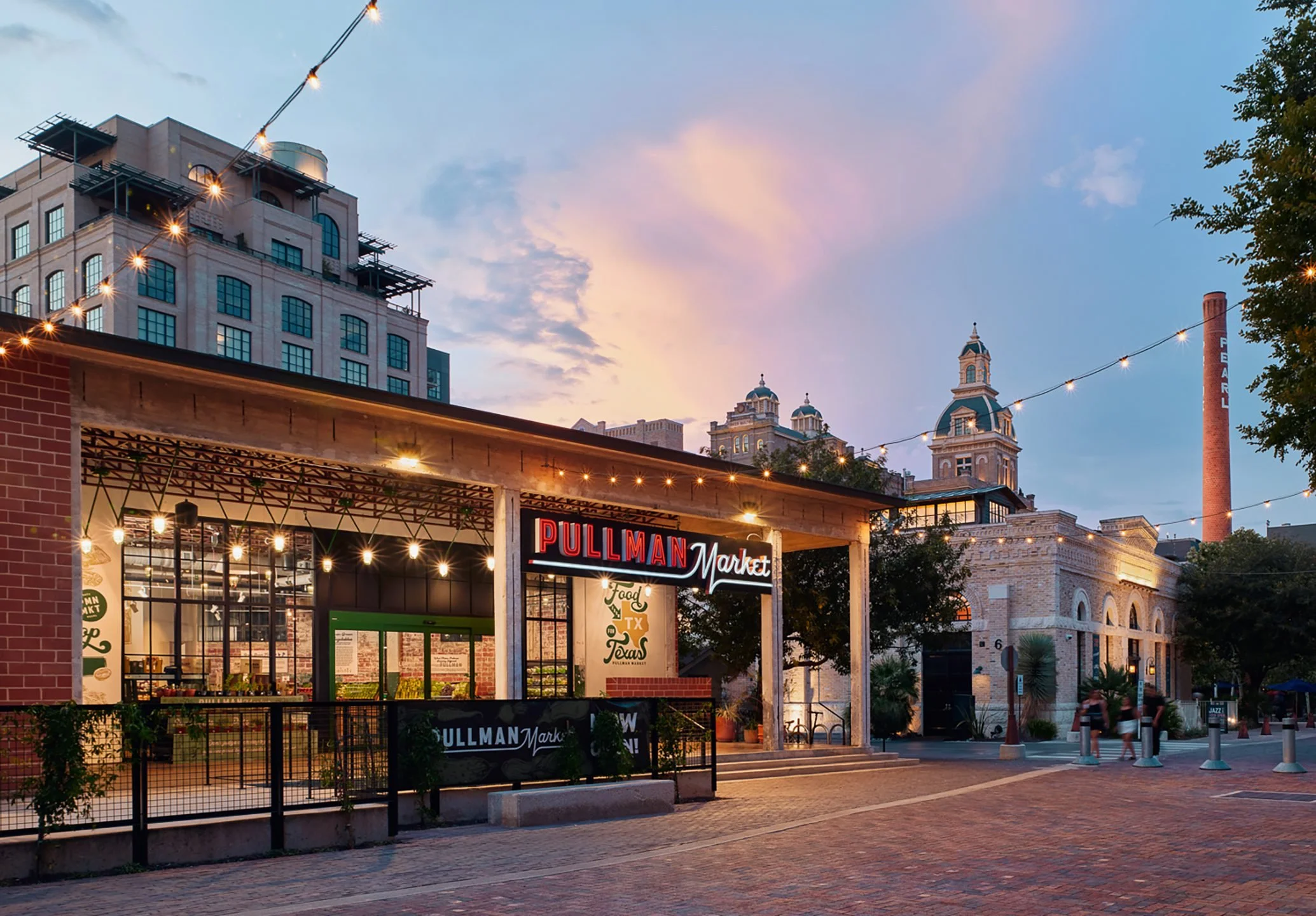
Located in a former glass manufacturing warehouse, Pullman Market houses produce from more than 150 Texas growers and producers alongside local artisan products and Michelin-starred restaurants. This tour will highlight the unique food circularity ecosystem within the market itself from a chef and restauranteur’s perspective.
Tour B: Lake Flato Office Renovation
Tour Guides: Jamie Sartory, Senior Associate; Evan Morris, Associate Partner; Dan Stine, Director of Technology; Kate Sector Gregg, Design Performance Manager
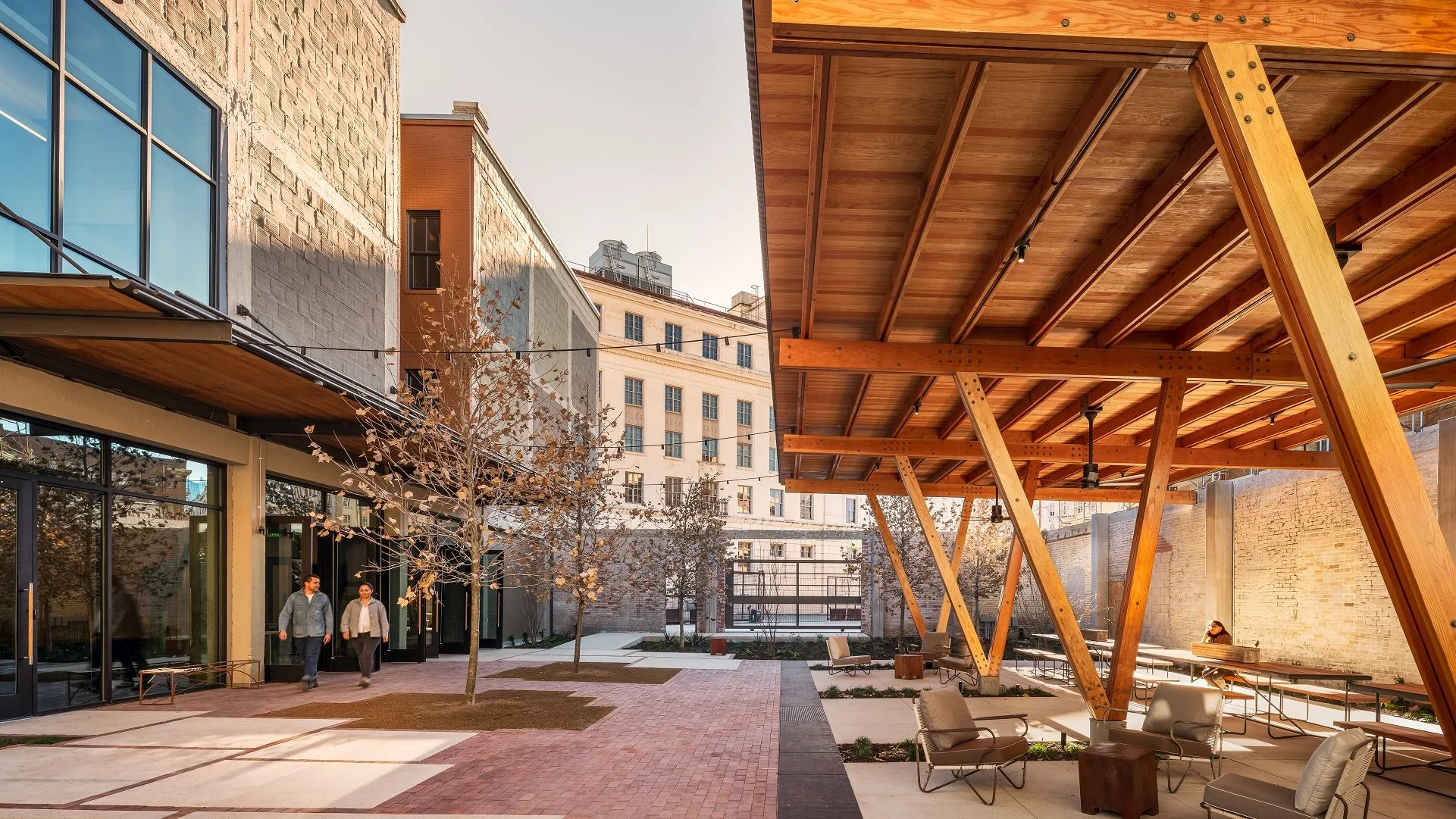
Lake Flato Architects recently undertook a renovation of their own circa 1920 office building in downtown San Antonio, including transforming a former parking garage into a vibrant, nature-filled courtyard. This tour will highlight the deconstruction, material salvage and reuse, and technology strategies that helped this project become WELL v2 Certified™ at the Platinum level, the highest level offered.
Tour C: SAWS Wastewater Treatment Plant
Tour Guide: Heather Ginsburg, Field Educator, San Antonio Water System (SAWS)
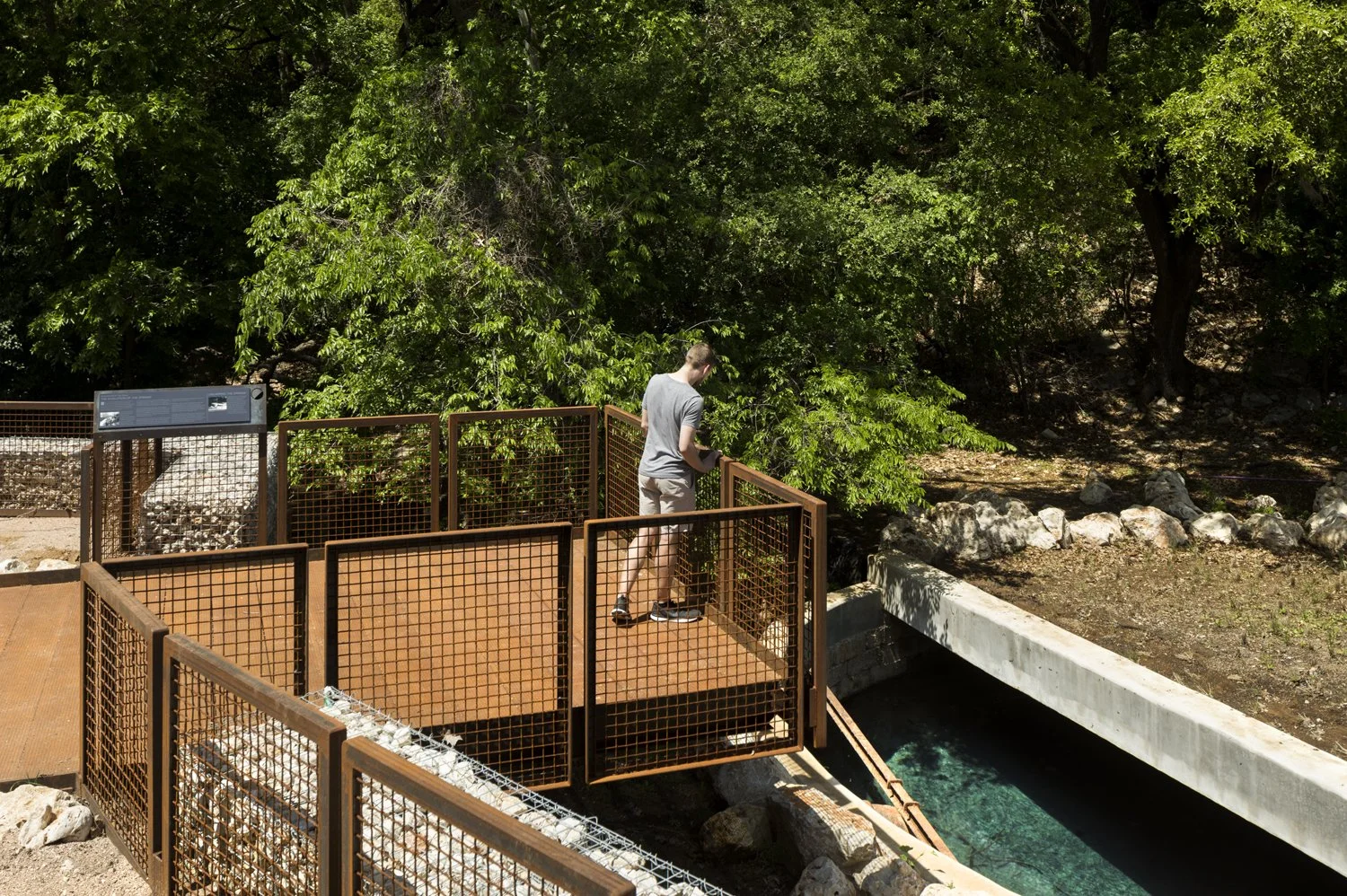
This plant manages an environmental trifecta by recycling highly treated effluent water for industrial use and commercial landscaping, including capturing biogas generated during the sewage treatment process and selling it through a commercial gas pipeline — the first project of its kind in the nation. Organic compost is made from the remaining solids from the treatment process. San Antonio is the only city in the United States with major programs that cost effectively reuses all three wastewater treatment byproducts. This highly engaging tour will dive into all aspects of this process.
5:00pm - 7:00pm: Summit Happy Hour
Mix and mingle with fellow Summit attendees with drinks and light bites from happy hour host Mezquite.
Invite only: Premium and business pass ticket holders are invited to an exclusive happy hour with our keynotes and sponsors, facilitated by Lina Rugova of Emerge and Rise.
8:00am - 9:00am: Registration and breakfast
9:00am - 10:00am: Day 2 Keynote - Innovation Hubs as a Driver for Circularity: Charlotte’s Community-Based Model
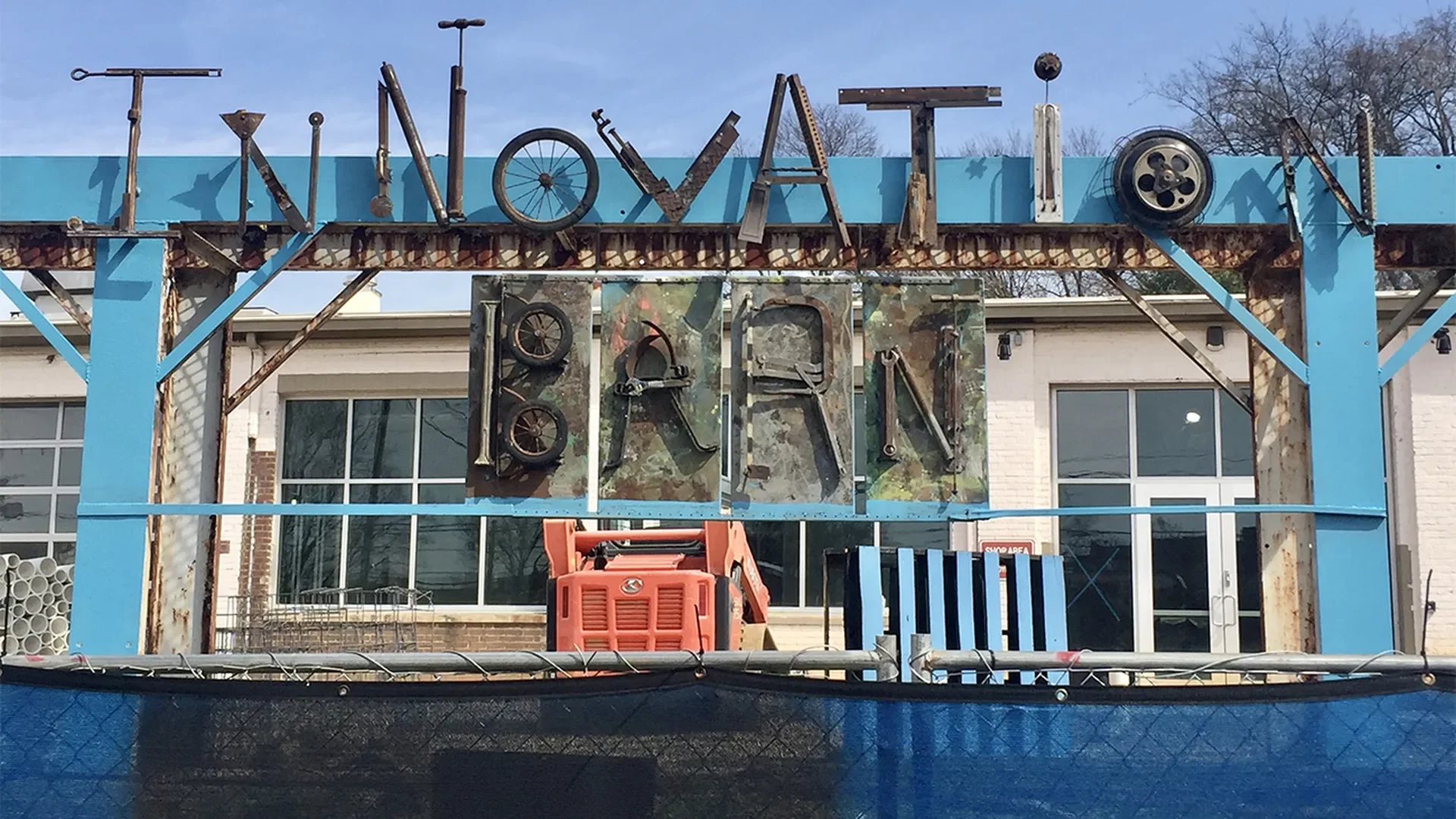
The Innovation Barn in Charlotte, North Carolina is a physical hub for education, collaboration, and innovation designed to turn waste into opportunity — Charlotte’s sustainability playground. Pilot projects and programs focused on reuse of plastics, textiles, food, and construction & demolition materials are housed in a community-serving space that includes a coffee shop, aquaponics lab, teaching kitchen, and more. The barn is activated year-round with events including a Halloween costume swap, field trips, summer camps, and so much more.
Physical hubs like the Innovation Barn are essential to advancing material circularity in cities. They provide a tangible space for innovation and experimentation, bridging the gap between design, implementation, and community engagement. This keynote will “bring” attendees to the Barn, highlight its impact, and discuss steps for communities to launch a Barn of their own. A discussion moderated by Shanon Shea Miller (City of San Antonio) will follow.
Friday, February 13
8:00am - 5:00pm CT
Trinity University Chapman Center Great Hall
10:00am - 10:30am: Break
10:30am - 11:30am: Concurrent Breakout Sessions
Session 3A: Scaling Circularity: From Building Designs to County-Level Integration
Speakers: Kathleen Hetrick and Amy Stanfield, Buro Happold
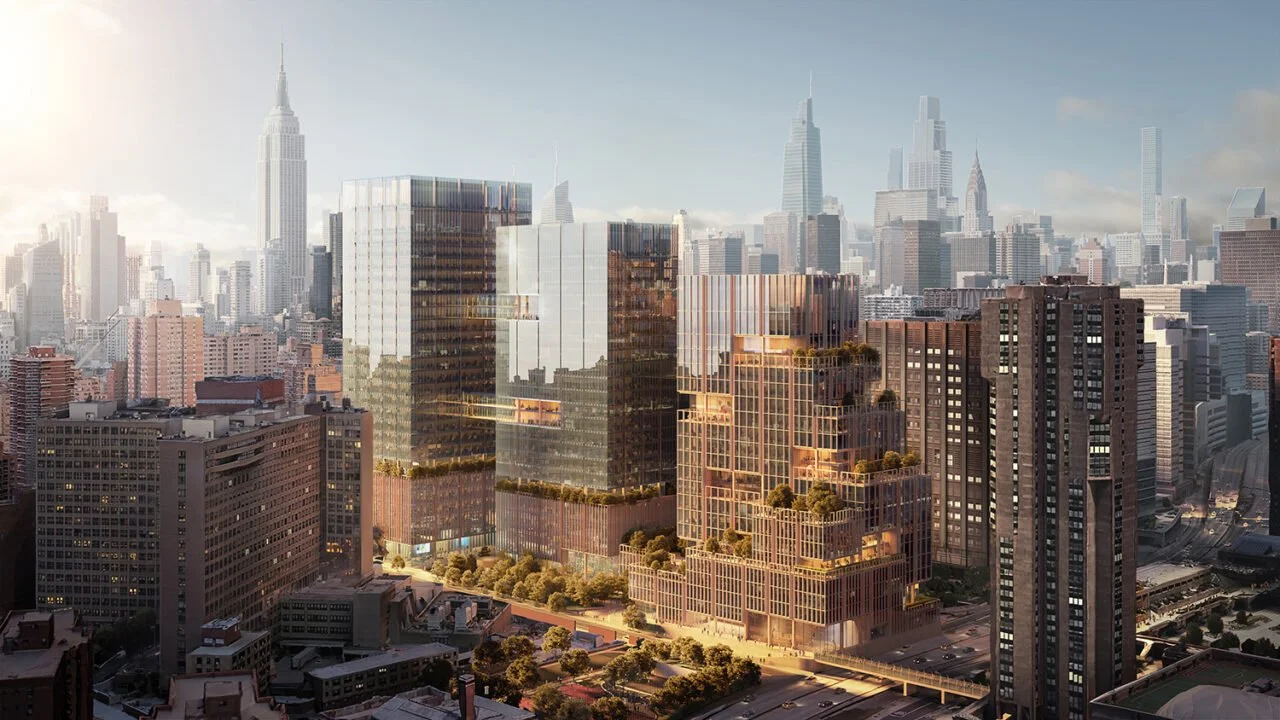
This session will explore will explore five principles for circular design in the built environment: early decision making, thinking local, creating circular ecosystems, asking product questions, and integrating deconstruction from the start. Presenters will then show how these principles are applied in two Buro Happold case studies:
SPARC Kips Bay (Building-Level): A groundbreaking transformation of Hunter College’s Brookdale Campus in Manhattan into nearly two million square feet of advanced academic, healthcare, and life sciences facilities, this project aims to divert 95% of waste from landfills through design for disassembly, material reuse, and recycling, strengthening New York City’s circularity ecosystem.
San Diego County Circular Economy Assessment (County-Level): The San Diego County Circular Economy Assessment rethinks the linear system by reducing waste in food systems, construction, and textiles. Through stakeholder engagement and analysis of county-level waste data, the assessment identifies regional challenges and opportunities to build a comprehensive understanding of material flows and actionable interventions.
Session 3B: Feed People, Not Landfills: Food Recovery in a Circular Economy
Speakers: Stacy Savage, Zero Waste Strategies; Mitch Hagney, San Antonio Food Bank; Emma Peacock, Mission Compost; Marisa Grimaldo, San Antonio Food Policy Council
Food waste is an urgent challenge with economic, environmental, and social impacts, including wasted resources, methane emissions, and missed opportunities to feed local communities. In a circular economy, recovering edible food and redirecting it to those in need is a critical strategy for creating a resilient food system.
This session highlights U.S. legal frameworks that protect food donors, addresses common barriers businesses face when donating food, and discusses practical strategies for implementing food recovery programs that divert edible food from landfills. It also explores partnerships with food banks, nonprofits, and private companies to streamline donation logistics and maximize community benefits.
Session 3C: Everything Comes Back: Designing Circular Supply Chains That Generate Value
Speaker: Kimberley Duarte, Circular Supply Chain Network
The transition from linear to circular supply chains remains one of the most powerful levers for advancing sustainability, resilience, and material value, yet many organizations struggle with where to begin. Circular supply chains are where procurement, operations, materials management, and reuse partners come together to keep value circulating instead of leaking into landfills. This session will demystify how organizations can move from aspiration to implementation by starting small, designing a first pilot, and building cross-stakeholder alignment around cyclical material flows.
We will explore the questions that matter most in early circular work: Where do materials currently enter and exit our systems? Where does value leak? Where could partners, logistics, repair services, reuse hubs, or local manufacturing become part of a new loop? Participants will learn approachable ways to diagnose supply-chain patterns and unlock opportunity by collaborating across disciplines such as suppliers, end users, operations teams, logistics providers, and refurbishers. Attendees will leave feeling confident that circular supply chains are actionable, incremental, and deeply collaborative. With the right questions, partnerships, and governance, any organization can begin designing industrial ecosystems where materials, infrastructure, and relationships flow in regenerative cycles.
11:30am - 12:30pm: Lunch
12:30pm - 1:30pm: Concurrent Breakout Sessions
Session 4A: Tech as a Circular Economy Enabler
Speakers: Joyce Deuley, Team b. Strategy; Beto Gomez, Better Futures Institute; Ting Ziang, Glacier; Geoffrey Urbach, City of San Antonio Office of Information Technology
Explore the transformative role of technology in advancing the circular economy across various industries in this dynamic panel. Featuring insights from key experts in the tech ecosystem, this discussion will focus on how innovative technologies can facilitate sustainable practices in sectors like construction, food, consumer products, plastics, textiles, and beyond. Panelists will share their perspectives on the opportunities technology presents for driving circularity, as well as the barriers that need to be addressed for successful implementation. Engage with experts as they discuss real-world examples, emerging trends, and collaborative approaches to overcoming challenges in deploying circular economy solutions.
Session 4B: Scaling Up: Case Studies for Deconstructing Large-Scale Commercial Structures
Speakers: Anli Ni and Chris Kendall, KL&A Engineers and Builders; Emmanuel Pozer, UT-Austin Digital Harvest Lab
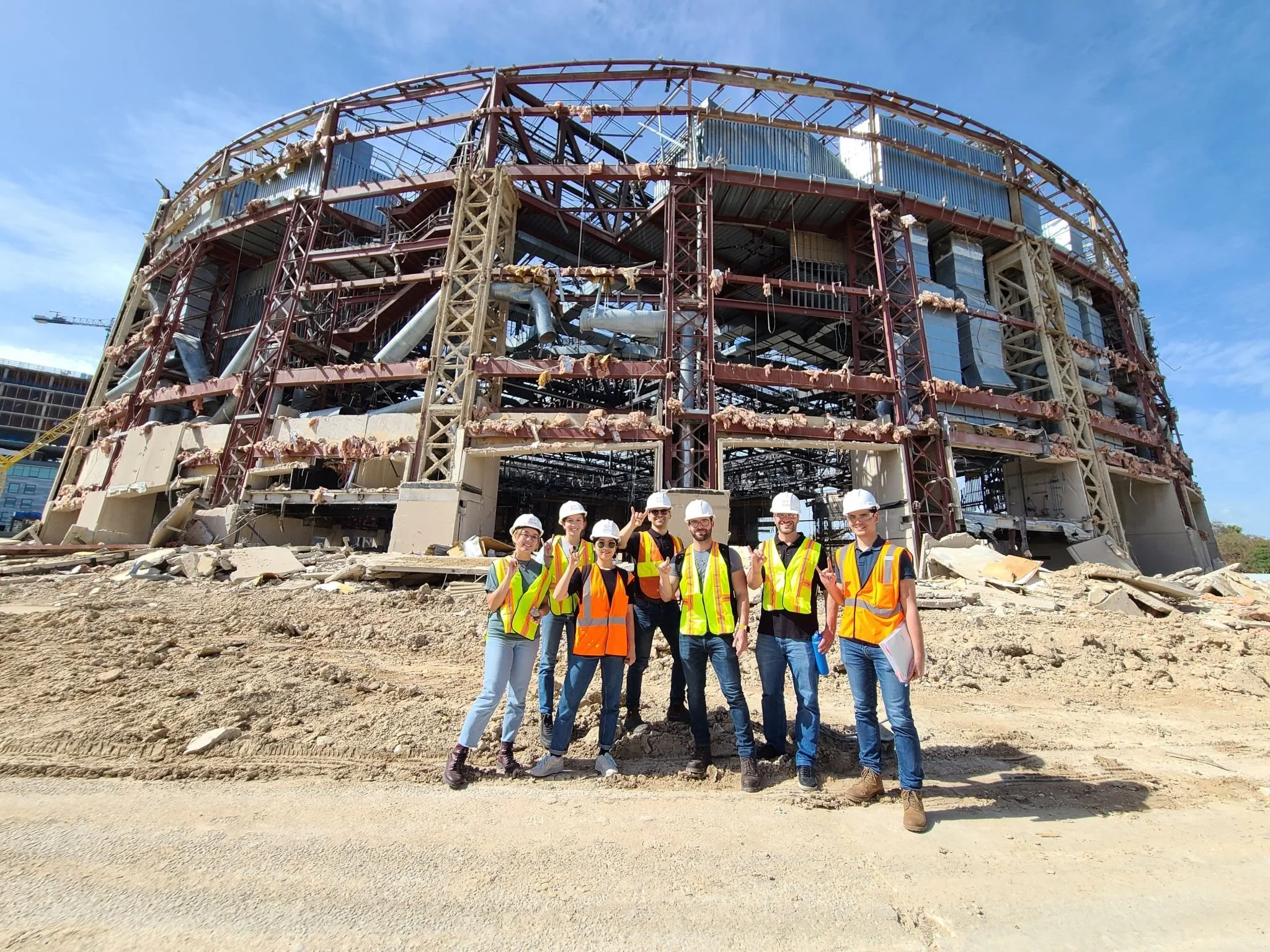
What do you do with a decommissioned hospital or entertainment venue? In Boulder, Colorado, a hospital was deconstructed, recovering 161 tons of structural steel for direct reuse in community projects, including a new fire station. In Austin, Texas, the Frank Erwin Center’s memorabilia and furniture were relocated and given new homes in athletics facilities around campus, and anything that wasn’t used was sent to the Surplus REuse Store on the J.J. Pickle Research Campus. This session will dive into how these massive projects were undertaken, including data collection, partnerships, and project planning. Presenters will also share tangible project outcomes — landfill diversion, community benefits, budget impacts, lessons learned — and discuss how similar projects can be made possible in other cities.
Session 4C: Beyond the Bin: City of Austin’s Community-Centered Approach to Circularity
Speaker: Megan Kaplon, Austin Resource Recovery
The City of Austin founded its Circular Economy Program in 2013 with a goal of expanding and supporting the recycling industry in the area. Today, the program has expanded well beyond recycling to include developing programs for circular businesses and entrepreneurs, keeping furniture and other items out of the landfill during university move-out season, building a culture of repair in the community, and reducing waste in City operations, just to name a few. Learn how municipalities can move beyond collection and recycling into reuse and circularity by leading with clear community-driven needs and solutions.
1:30pm - 1:45pm: Break
1:45pm - 2:45pm: Concurrent Breakout Sessions
Session 5A: Tackling the Housing Crisis Through Reuse
Speakers: Ian Caine, UTSA; Jen Weaver, Vivid Development; Beverly Baldwin, Alamo Architects; Charlie Cottingham, Roble
A structural shift in global commercial real estate is underway. The convergence of post-pandemic hybrid work, AI-driven productivity gains, and a decade of speculative overbuilding has created a surplus of over 626 million square feet of vacant office space. The Asset Revolution argues that this crisis presents a historic opportunity to address affordability, reduce embodied carbon, and stabilize urban cores, directly challenging the prevailing institutional model of perpetual commodification. Meanwhile, UTSA's Vacancy to Vitality exhibit asks: How can San Antonio grow while protecting its land and communities? This exhibition by Ian Caine, with faculty and students at UT San Antonio’s School of Architecture + Planning, explores how multifamily infill housing along VIA Metropolitan Transit’s proposed rapid transit corridors could meet the city’s 25-year housing need without paving new land or displacing existing residents. With real examples, this interactive discussion focuses on the critical role of reimagined commercial sites in creating circular cities.
Session 5B: Educating a Circular Workforce
Speakers: Andrea Marquez, UTSA; Ben Miele, UIW; Ahmed Ali, Texas A&M University; Shanon Shea Miller, City of San Antonio Office of Historic Preservation / Living Heritage Trades Academy
This session brings together educators from across disciplines to share examples of pedagogical approaches that embed circular economy principles into curriculum and classrooms, from higher education to trades. Through rapid 5-minute snapshots and an interactive panel discussion, we’ll explore how students are being prepared to think about circularity in different professional contexts. The conversation invites participants to consider how education can better support a more circular economy.
Session 5C: Breaking the Donation Chain: Strategies for Textile Reuse
Speakers: Ericka Leigh, Sewn Apart; Lauren Gonzalez, Socorro Society
Amid an unprecedented textile waste crisis, current infrastructure and donation systems are buckling under excessive clothing consumption. While upstream interventions following the Rana Plaza disaster have begun addressing production-side issues, downstream waste management remains fragmented and overwhelmed. The predominant solution—exporting pre-loved clothing to developing nations—perpetuates waste colonialism and environmental racism by shifting burdens to countries lacking proper infrastructure, while also discouraging post-growth transformation. This session explores alternative solutions, including research that centers municipalities as ideal catalysts for textile waste management; creative upcycling; mending; and much more.
2:45pm - 3:00pm: Break
4:30pm - 5:00pm: Roundtable Wrap-up and Goodbyes
Attendees will identify their next actions to advance circularity in their own communities after the conference before departing.
3:00pm - 4:15pm: Facilitated Industry Roundtables & Mapping
Tours
Full Circle attendees will have the opportunity to take a behind-the-scenes tour of an example of circularity in practice in San Antonio.
Pullman Market Circular Food Ecosystem
Tour Guide: Kevin Fink, Chef/Partner, Emmer & Rye Hospitality Group
Located in a former glass manufacturing warehouse, Pullman Market houses produce from more than 150 Texas growers and producers alongside local artisan products and Michelin-starred restaurants. This tour will highlight the unique food circularity ecosystem within the market itself from a chef and restauranteur’s perspective.
Lake|Flato Office Renovation
Tour Guides: Jamie Sartory, Senior Associate; Evan Morris, Associate Partner; Dan Stine, Director of Technology; Kate Sector Gregg, Design Performance Manager
Lake|Flato Architects recently undertook a renovation of their own circa 1920 office building in downtown San Antonio, including transforming a former parking garage into a vibrant, nature-filled courtyard. This tour will highlight the deconstruction, material salvage and reuse, and technology strategies that helped this project become WELL v2 Certified™ at the Platinum level, the highest level offered.
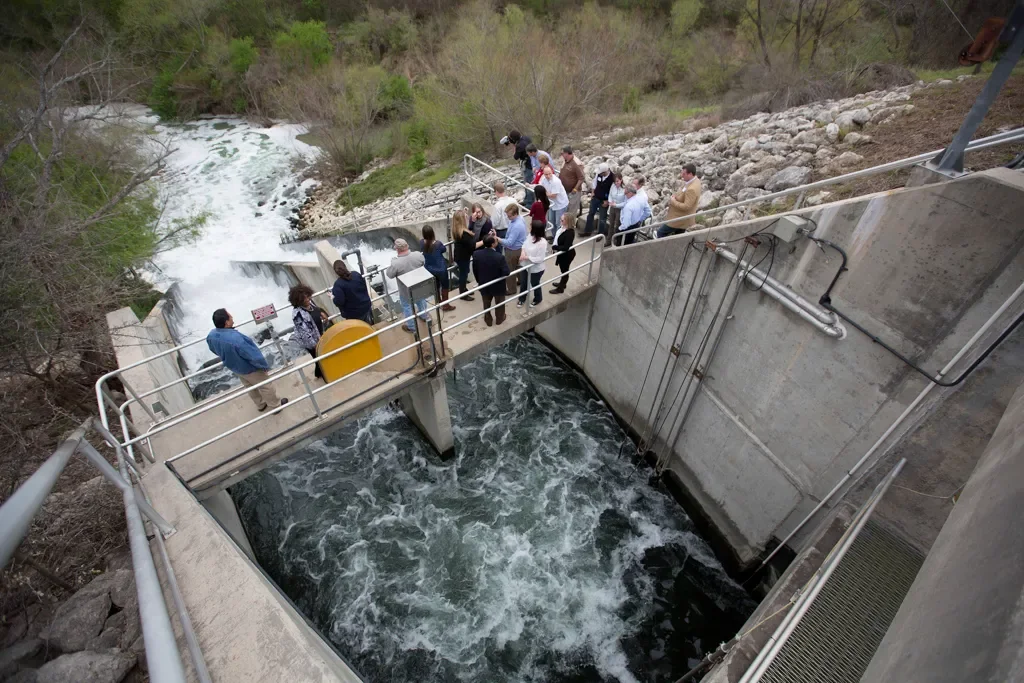
SAWS Wastewater Treatment Plant
Tour Guide: Heather Ginsburg, Field Educator, San Antonio Water System (SAWS)
This plant manages an environmental trifecta by recycling highly treated effluent water for industrial use and commercial landscaping, including capturing biogas generated during the sewage treatment process and selling it through a commercial gas pipeline — the first project of its kind in the nation. Organic compost is made from the remaining solids from the treatment process. San Antonio is the only city in the United States with major programs that cost effectively reuses all three wastewater treatment byproducts. This highly engaging tour will dive into all aspects of this process.